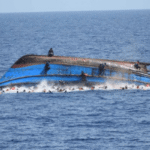
 The tragic boat accident in Kogi State, which claimed dozens of lives earlier this month, has reignited calls for enhanced maritime safety oversight. While preliminary investigations point to overloading and poor vessel maintenance as major causes, experts are questioning the role of the Nigerian Safety Investigation Bureau (NSIB) in addressing systemic safety lapses across Nigeria’s waterways.
The NSIB, primarily tasked with investigating aviation and rail incidents, recently expanded its mandate to include maritime safety. However, stakeholders argue that the agency’s oversight mechanisms remain fragmented, leaving critical safety gaps unaddressed. Maritime analyst Dr. Uche Emodi notes, “The NSIB’s structure and resources are not yet robust enough to handle the complexities of maritime safety, especially in regions like Kogi where informal operations dominate.”
Case studies from other nations, such as Kenya’s reforms following the Likoni Ferry disaster, highlight the importance of specialized safety frameworks. Kenya established a dedicated maritime safety authority, which has significantly reduced waterborne accidents through stringent regulations and enforcement. Nigeria could adopt a similar model, leveraging data-driven policies and community engagement to mitigate risks.
Victims’ families and local leaders have called for immediate action, including stricter enforcement of passenger limits and mandatory safety equipment for operators. Minister of Marine and Blue Economy, H.E. Adegboyega Oyetola, has pledged to collaborate with the NSIB and state governments to develop a comprehensive safety strategy.
“The Kogi accident is a wake-up call. We need to prioritize life over commerce and ensure every journey on our waterways is safe,” Oyetola remarked during a press briefing.
As the NSIB grapples with its expanded responsibilities, maritime experts emphasize the need for urgent capacity building, inter-agency coordination, and public education to prevent future tragedies.
Discover more from Ameh News
Subscribe to get the latest posts sent to your email.