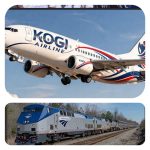
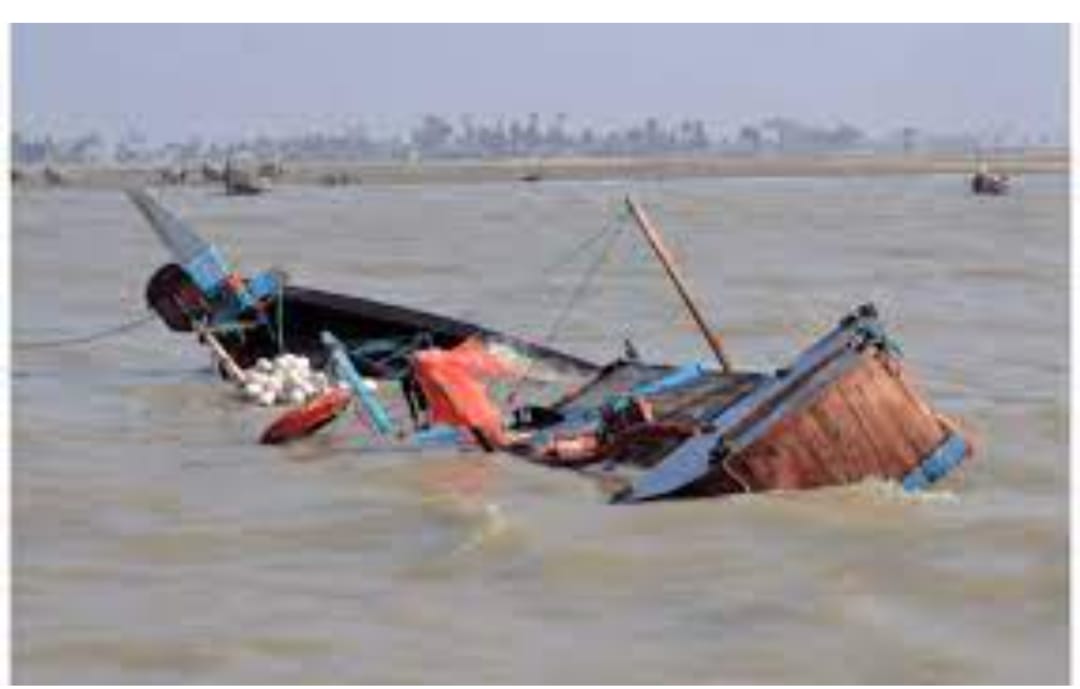
 The Kogi boat tragedy that claimed multiple lives has not only reignited conversations about safety in Nigeria’s waterways but also unveiled a deeper, systemic issue—the operational conflict surrounding the National Safety Investigation Bureau (NSIB) Act 2022. Despite its expansive mandate to oversee accident investigations across all modes of transportation—air, marine, and rail—the NSIB remains shackled by regulatory overlaps with agencies like the National Inland Waterways Authority (NIWA), Nigerian Maritime Administration and Safety Agency (NIMASA), and Nigerian Railway Corporation (NRC).
At the heart of this discord lies a reluctance by sectoral regulators to cede power. This disunity impedes the NSIB’s ability to function seamlessly in accordance with its legislative framework. For instance, while the NSIB Act explicitly authorizes the bureau to lead investigations into marine accidents, NIWA continues to assert its jurisdiction over such incidents, resulting in inefficiencies and delayed interventions.
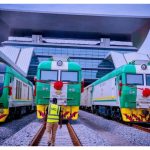
A similar scenario exists in the rail sector, where the NRC hesitates to relinquish its investigatory authority, effectively sidelining the NSIB’s role. This fragmentation of responsibilities not only undermines accident investigations but also delays the implementation of safety recommendations that could save lives.
Without political will and decisive action to harmonize these overlapping mandates, the NSIB will remain a toothless tiger, crying out for relevance while its statutory authority is ignored. Extensive lobbying and legislative amendments are needed to ensure the Act achieves its intended purpose—delivering comprehensive, unbiased, and effective accident investigations across all sectors.
The Kogi tragedy, a preventable loss of life, should be a turning point. It is a stark reminder that the continued regulatory disparity between the NSIB and other agencies leaves Nigeria perpetually at a crossroads. Until these issues are resolved, the bureau’s wailing will fall on deaf ears, and the safety of Nigerians will remain perilously compromised.
Discover more from Ameh News
Subscribe to get the latest posts sent to your email.