 The Chairman of the Presidential Tax Reform Committee, Taiwo Oyedele, has described President Bola Ahmed Tinubu’s proposed tax reform bills as a groundbreaking effort to overhaul Nigeria’s tax system. Speaking during a Channels Television Town Hall event on Monday, Oyedele revealed that the bills include over 200 transformative provisions aimed at addressing long-standing challenges in the nation’s tax structure.
“These bills are designed to fix systemic issues in our country and set us firmly on the path to prosperity,” Oyedele remarked, urging Nigerians to consider the broader benefits of the reforms.
Among the key highlights, Oyedele emphasized provisions that completely exempt low-income earners from tax obligations and significantly reduce Pay-As-You-Earn (PAYE) taxes for middle-income workers. He noted that these measures would alleviate the tax burden on Nigerians by as much as 90%.
While acknowledging public concerns over certain contentious provisions, Oyedele called for constructive dialogue to address disagreements. “We should not allow one or two provisions that can be resolved through discussion to overshadow the overall benefits of these reforms,” he stressed.
The tax reform initiative aligns with President Tinubu’s broader economic agenda to drive growth, enhance fiscal sustainability, and ease financial pressures on citizens. Oyedele assured Nigerians that controversial areas in the bills would be resolved with input from stakeholders.
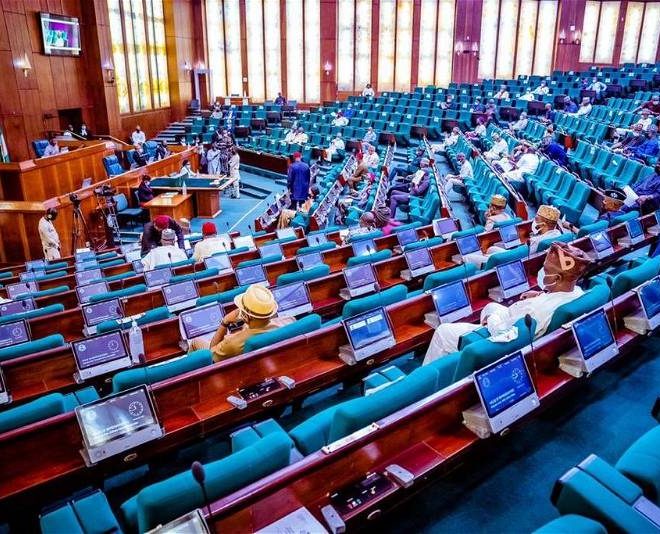
These reforms represent a pivotal step in restructuring Nigeria’s tax framework to foster equitable contributions and economic development. As the nation anticipates further deliberations on the bills, experts remain optimistic about their potential to transform Nigeria’s fiscal landscape.
Case Studies
1. South Africa’s Tax Overhaul (2000s):
South Africa implemented comprehensive tax reforms to simplify its tax codes and broaden the base. Experts draw parallels, highlighting how similar provisions in Tinubu’s bills could replicate South Africa’s success in boosting compliance and revenue.
2. Ghana’s PAYE Revisions (2015):
Ghana restructured its PAYE system, reducing tax rates for middle-income earners while exempting low-income workers. Tinubu’s reforms mirror this approach, offering tax exemptions for low-income Nigerians and easing the financial burden on middle-class workers.
3. Malaysia’s SME Tax Incentives (2018):
Malaysia introduced targeted tax incentives to support small and medium enterprises (SMEs). Provisions in Tinubu’s bills, such as tax relief for startups and SMEs, draw inspiration from this model to encourage entrepreneurship and job creation.
Addressing Controversies
Despite the potential benefits, some provisions in the bills have drawn criticism. Labor unions and business groups have expressed concerns about the introduction of new levies and perceived complexities.
Oyedele has urged stakeholders to focus on the broader vision of the reforms. “Contentious areas will be addressed through dialogue. Let’s not lose sight of the larger goal: a prosperous Nigeria,” he said.
Dr. Akinyele Akindele, a fiscal policy analyst, noted that Nigeria’s current tax-to-GDP ratio of 6% lags far behind the global average of 15-20%. “These bills have the potential to close that gap by expanding the tax net without overburdening compliant taxpayers,” Akindele explained.
Path Forward
As deliberations on the tax reform bills continue, experts emphasize the need for robust stakeholder engagement and public education. By addressing concerns and refining contentious provisions, the government can build consensus around a transformative fiscal agenda.
Tinubu’s tax reforms, while ambitious, represent a bold step toward economic rejuvenation. Drawing lessons from successful global case studies, Nigeria has an opportunity to modernize its tax system and create a sustainable pathway for growth.
Discover more from Ameh News
Subscribe to get the latest posts sent to your email.