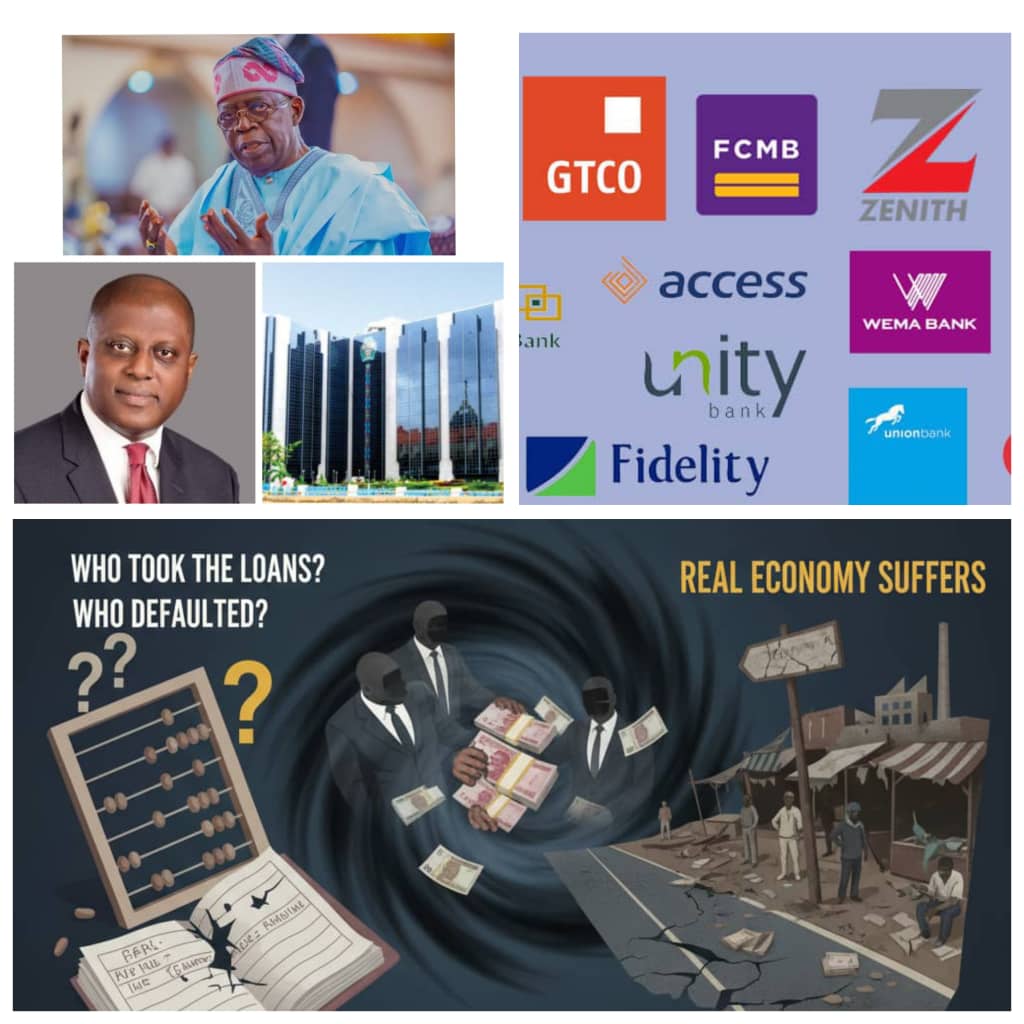
 The Nigerian banking sector stands at a critical juncture as the Central Bank of Nigeria’s (CBN) verification mandate continues to stall investor funds, leaving stakeholders and financial experts divided on the way forward. With the process potentially stretching into 2026, many have begun reflecting on the ripple effects such delays have on the nation’s financial landscape.
A Flashback to Recapitulation and Optimism
In recent years, Nigerian banks have undergone sweeping reforms aimed at strengthening financial transparency and bolstering public trust. The introduction of the Bank Verification Number (BVN) system was hailed as a milestone, paving the way for secure, accessible, and streamlined banking operations. Despite these strides, the ongoing verification efforts have cast a shadow on the sector’s progress, as funds remain locked up, causing frustration among investors.
Stakeholders recall the days when the banking industry’s resilience was tested through rapid adoption of technology, and the BVN served as a beacon of efficiency. Many believed that the sector had finally turned a corner, capable of overcoming any operational challenges. However, the current verification bottleneck paints a starkly different picture.
Reflections on Today’s Challenges
Experts argue that this impasse comes at a time when leveraging technology should be non-negotiable. As funds are trapped in the verification loop, the CBN’s perceived indifference has sparked concern. Financial analysts suggest that digital innovations such as automated verification systems and broader application of BVN technology could resolve the bottleneck, providing seamless access to funds while enhancing transparency.
“The age of technology demands smarter solutions,” remarked a financial analyst. “Delays undermine confidence in the system, and investors need assurance that their funds will not remain trapped indefinitely adding that as a young market operator told him, “I am tired of being patient, because for me the patient dog eats no bone nowadays” .”
Looking Ahead: A Call for Timely Action
The message is clear—prolonged delays in verification are eroding investor trust. The sooner the process is concluded, the stronger the sector’s reputation will become. Experts believe that by prioritizing innovative solutions, the CBN can restore optimism and reposition Nigeria as a beacon of financial stability.
This chapter in Nigeria’s banking story reminds all stakeholders of the importance of adaptation and accountability, urging the sector to align with global best practices while safeguarding investor interests.
In the same vein, the Governor of the Central Bank of Nigeria (CBN), Mr. Olayemi Cardoso, who revealed that foreign investors are injecting funds into the Nigerian banking sector under the ongoing recapitalisation exercise.
Speaking at the Afrinvest 2024 Banking Sector Report Launch in Abuja, Mr. Cardoso, represented by Mr. John Onoja, Acting Director of Financial Policy and Regulations, emphasized vigilance in preventing illicit funds from entering the banking system.
The above statement is an indications that the verification process will end soon enough and that many investors in the ongoing Recapitalisation may likely to worry about their investment funds.
A stakeholder within the capital markets environment stated that the verification process may overlap into 2027. As CBN emphasized vigilance in preventing illicit funds from entering the banking system since the whole process will end 2026, then the verification process will also end after expiration year. It further shared that verification process cannot end before expiration year.
Discover more from Ameh News
Subscribe to get the latest posts sent to your email.