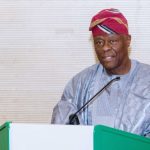
In a bold and historic declaration, Minister of Aviation and Aerospace Development, Festus Keyamo, has reignited hope for the long-delayed Fly Nigeria Act, a policy aimed at prioritizing Nigerian airlines for all government-funded travel. Speaking at a high-profile stakeholders’ engagement, Keyamo vowed to end the 15-year stalemate that has hindered the legislation, declaring his unwavering commitment to making the act a reality under his leadership.
The Fly Nigeria Act seeks to mandate government agencies to utilize Nigerian airlines for official travel—covering personnel, contractors, and cargo. Keyamo stressed the economic significance of the act, emphasizing its potential to boost local carriers by increasing patronage and encouraging expansion into new routes.
“This act is not just about aviation; it is about economic sovereignty and creating a level playing field for Nigerian airlines in a market dominated by foreign carriers,” Keyamo said. His remarks drew enthusiastic support from key aviation stakeholders, including former Aviation Minister Chief Omotoba, Air Peace Chairman Dr. Allen Onyema, and United Nigeria Airline Chairman Professor Obiora Okonkwo.
Breaking the Cycle of Delayed Progress
Keyamo’s initiative comes after repeated attempts by previous administrations to enact the Fly Nigeria Act, which failed despite significant resources being expended. These setbacks echo the broader struggles of Nigeria to revive defunct national projects, such as the Ajaokuta Steel Company and the Nigerian National Shipping Line, which were mired in mismanagement and inefficiency.
Reflections on Defunct Projects: Lessons for Nigeria’s Development Goals
The Fly Nigeria Act comes amid broader debates about reviving abandoned national projects, such as the Ajaokuta Steel Company and the Nigerian National Shipping Line. These defunct initiatives, plagued by mismanagement and inefficiency, serve as cautionary tales for sustainable development.
Ajaokuta Steel Company: Once envisioned as a cornerstone of Nigeria’s industrialization, the project remains incomplete 40 years after its launch. With over $8 billion spent, only the light mills operate, producing small-scale iron rods. The failure to realize the plant’s full potential highlights the pitfalls of poor governance and lack of continuity in policy execution.
Nigerian National Shipping Line (NNSL): Once a source of national pride, the NNSL ceased operations due to mismanagement and financial losses. Calls for its revival, including proposals for acquiring new ocean-going vessels, have resurfaced, but they come with significant financial implications.
Experts argue that reviving these projects must be approached strategically. Lessons from global case studies suggest that public-private partnerships, sustainable funding mechanisms, and transparent governance are essential to avoid repeating past mistakes.
Balancing Ambitions with Economic Realities
Under President Bola Tinubu’s administration, Nigeria faces a critical juncture where every sector calls for investments to resurrect defunct projects. While initiatives like the Fly Nigeria Act show promise, questions about financing remain. With the nation’s borrowing reaching unprecedented levels, experts caution against stretching resources thin across multiple sectors without clear cost-benefit analyses.
For Nigeria to achieve lasting progress, prioritization, innovative funding models, and expert-driven strategies are essential. Balancing national ambitions with fiscal discipline will determine the success of these ambitious projects.
The renewed push for the Fly Nigeria Act symbolizes a fresh start and aligns with President Bola Tinubu’s vision for economic growth. A technical committee is set to finalize the draft bill, which will then advance to the Federal Executive Council before heading to the National Assembly for consideration.
A Parallel to Nigeria’s Enduring Quest for Transformation
The renewed effort for the Fly Nigeria Act evokes memories of Nigeria’s resilience during pivotal moments in its history. Much like the 1993 slogan from Chief MKO Abiola’s campaign—”Nigeria on the march again, looking for Mr. President”—Keyamo’s mission reflects the nation’s unyielding quest for progress and self-reliance.
This legislation represents more than aviation policy; it is a rallying cry for Nigeria to reclaim control of its economic destiny. By supporting local airlines, the act promises to fortify the aviation sector, reduce dependence on foreign carriers, and create a sustainable future for domestic operators.
The Road Ahead: Can Nigeria Deliver?
Keyamo’s bold leadership has rekindled optimism, but questions remain. Can Nigeria break the cycle of stalled progress? Will the Fly Nigeria Act finally deliver the transformation it promises? How long does Keyamo have in Nigeria aviation industry? Sustainability is the key to fly Nigeria Act.
Below statements serve as guide to Fly Nigeria Act
Former Nigeria Airways commenced operations on August 24, 1958 and lasted for 33 years before it was liquidated in 2003. The airline was the flag carrier of Nigeria and played a significant role in the country’s aviation sector until its decline due to mismanagement and financial challenges.
For the act to succeed, steadfast leadership, stakeholder collaboration, and transparent execution will be critical. As Nigeria moves forward on this new trajectory, the world watches closely, hopeful that this march will finally lead to success.