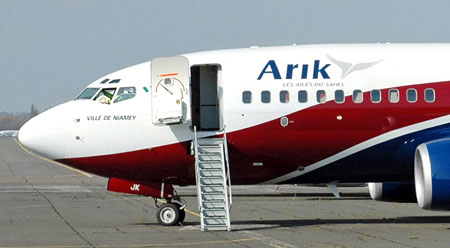
 Arik Air, once a beacon of Nigeria’s aviation industry, has undergone a drastic transformation over the past seven years. From its inception in 2006, the airline grew to employ 3,500 professionals and operate a fleet of 22 modern aircraft across domestic and international routes. With monthly revenues exceeding N12 billion and a valuation of $3.7 billion, Arik Air was a symbol of resilience and ambition.
However, on February 9, 2017, the Asset Management Corporation of Nigeria (AMCON) took over the airline under controversial circumstances, citing financial mismanagement. In the years that followed, the airline’s operations dwindled. Today, it struggles with just three functional aircraft, a workforce reduced to 350, and tarnished international reputation.
Recent revelations have brought the actions of AMCON and its key players under scrutiny. Former AMCON CEO Ahmed Kuru and others face corruption and abuse of office charges filed by the Economic and Financial Crimes Commission (EFCC). Accusations include mismanagement, asset-stripping, and questionable financial decisions.
At the heart of the controversy lies a loan transaction facilitated by Union Bank, which allegedly contributed to Arik Air’s financial woes. Critics argue that the takeover was part of a premeditated scheme involving high-ranking officials, including former Central Bank Governor Godwin Emefiele. Meetings, such as the CBN’s 494th Governors’ Meeting, reportedly exposed lapses in due process and transparency.
The airline’s downfall also highlights systemic issues in Nigeria’s financial and regulatory sectors. Experts, including EFCC Chairman Ola Olukayode, have emphasized the complicity of banks, lawyers, and accountants in enabling financial crimes. Arik’s story is now seen as a cautionary tale of how power and greed can undermine public and private enterprises.
While the accused await their day in court, the damage to Arik Air and its stakeholders remains significant. The collapse of this once-thriving airline underscores the urgent need for accountability and reform in Nigeria’s aviation and financial sectors.
Discover more from Ameh News
Subscribe to get the latest posts sent to your email.