Policy Reform, Accountability, and Security in Focus
 As the 2024 yuletide season eclipse, the Nigerian aviation industry finds itself under the microscope. Stakeholder and aviation officials are calling for sweeping policy changes to ensure industry growth while addressing an emerging crisis of flight disruptions and unruly behavior by passengers. The Federal Airports Authority of Nigeria (FAAN) and the Nigerian Civil Aviation Authority (NCAA) have been urged to take decisive measures against airlines and disruptive passengers, signaling a firm stance for future occurrences.
Reflecting on recent events, economist Mr. Celestine Ukpong lauded the NCAA’s initiative to convene meetings with airline CEOs as a positive step toward resolving industry challenges. However, Ukpong critiqued the timing, arguing that investigations into airlines’ operations should have preceded such discussions. According to him, a thorough probe into airlines’ claims about the root causes of flight disruptions—whether operational inefficiencies, poor management, or systemic failures—would have provided a stronger basis for dialogue and subsequent sanctions.
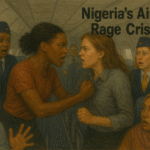
Mr Ukpong reiterated that during the peak holiday period, flight disruptions triggered heated confrontations between airlines and passengers, with incidents of delayed flights, overbooking, and mismanagement causing widespread frustration. In response, aviation officials and stakeholders stressed the need for accountability and stronger deterrents for both airlines and passengers to ensure smoother operations in future festive seasons
Ukpong also emphasized the importance of balancing accountability across all stakeholders. He pointed out that the NCAA’s findings should guide its decisions on holding airlines accountable, while also addressing the role of passengers whose disruptive behavior has exacerbated the situation. “Finalizing sanctions without a comprehensive understanding of the airlines’ operational realities and passengers’ grievances will only lead to superficial resolutions,” he said.
Adding another dimension to the discourse, Ukpong questioned the effectiveness of aviation security personnel during these incidents. “Where were the security operatives when chaos erupted? Were they adequately trained to de-escalate such situations, or are there gaps in their protocols that need urgent attention?” he asked. His remarks highlight a critical need to assess and bolster the readiness of airport security teams to handle disruptive scenarios.
As the industry reflects on these challenges, stakeholder agree that a multifaceted approach is required. Policy reforms must address operational inefficiencies, ensure robust passenger education, and empower security personnel with clear guidelines for managing crises. Moreover, transparency and collaboration between the NCAA, FAAN, and airline operators are vital to restoring public trust and safeguarding the future of Nigeria’s aviation sector.
The yuletide season, traditionally marked by increased travel, now serves as a litmus test for the industry’s readiness to implement these changes. Stakeholder hope the lessons learned from past disruptions will pave the way for a more resilient aviation ecosystem in 2025 and beyond.
Discover more from Ameh News
Subscribe to get the latest posts sent to your email.