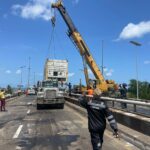
As Nigeria transitions into 2025, it is essential to reflect on the maritime sector’s achievements and challenges in the past year. One pressing issue that has continuously hindered the growth and safety of our maritime industry is the alarming number of container truck-related incidents. These incidents not only endanger lives and property but also disrupt the flow of goods, contributing to inefficiencies in the sector.
In 2024, despite efforts by key stakeholders, Nigeria’s ports remained plagued by the recurring problem of accidents involving container trucks, which continue to cause significant delays and economic losses. The lack of effective measures to regulate these trucks, coupled with inadequate infrastructure, has made the situation even more perilous. But it is not all doom and gloom. The foundation for change has been laid, and as we approach 2025, the time is ripe for a fresh approach.
Stakeholders in the maritime industry—including government agencies, port operators, and trucking companies—must come together to implement robust solutions. From the introduction of modern tracking systems to improved road infrastructure and better enforcement of safety regulations, there are numerous strategies that can significantly reduce the frequency of these accidents. Additionally, the need for investment in staff training and enhanced communication between all parties involved cannot be overstated.
2025 should be a year of action. By prioritizing the safety of lives and property, Nigeria has the potential to transform its maritime sector into a safer, more efficient economic powerhouse. With the right strategies in place, the country can position itself as a global leader in maritime trade, where safety, security, and efficiency go hand in hand. The time to act is now—let’s reflect, learn, and move forward with a collective commitment to building a brighter, safer future for Nigeria’s maritime sector.
Discover more from Ameh News
Subscribe to get the latest posts sent to your email.