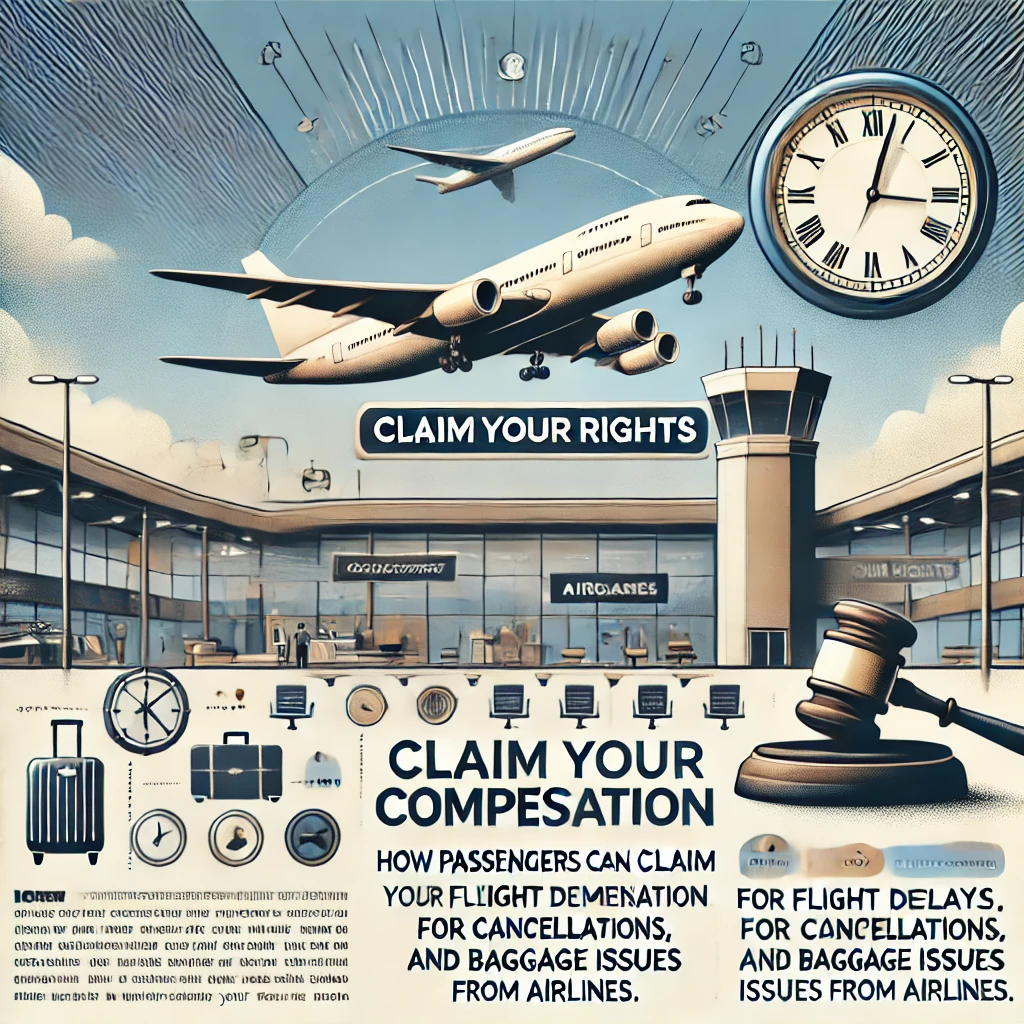
 In 2024, the Nigerian Civil Aviation Authority (NCAA) reaffirmed passengers’ rights to compensation for flight delays, cancellations, and baggage issues. This announcement, made during a press briefing in Abuja by Mr. Michael Achimugu, Director of Public Affairs and Consumer Protection at the NCAA, underscored a crucial yet often overlooked aspect of air travel—passenger rights.
For many, flight delays are an unwelcome interruption to plans, often accompanied by confusion about what recourse, if any, is available. This reflection revisits those frustrating moments and provides insight into how passengers can transform a setback into a manageable, even positive, outcome by understanding their rights and acting accordingly.
The Reality of Flight Delays: A Passenger’s Dilemma
Imagine this: You’re at the airport, suitcase packed, itinerary planned, and excitement building for your journey. Then comes the announcement: “Your flight has been delayed by several hours.” The disappointment sets in, but what happens next often depends on the passenger’s knowledge of their rights.
For many Nigerians, such delays have become all too common, with passengers either resigning themselves to the inconvenience or enduring endless back-and-forth with airline representatives. However, as the NCAA highlighted, passengers are not powerless. Regulations exist to protect travelers and ensure fair treatment, provided passengers know how to navigate the system.
Reflecting on the Compensation Process
The NCAA’s 2024 reminder outlined a clear, step-by-step process for claiming compensation, which begins with understanding eligibility. According to Nigerian regulations, passengers may claim compensation if their flight is delayed by more than three hours, provided extraordinary circumstances like severe weather or airport strikes are not to blame.
For international flights, eligibility varies by jurisdiction, with notable policies like the EU’s Regulation EC 261/2004 offering robust compensation frameworks. In contrast, U.S. airlines rarely provide cash compensation but may offer assistance such as meal vouchers or rebooking options.
Steps to Turn Frustration into Action
1. Gathering the Essentials
The first step in any compensation claim is preparation. Passengers are advised to collect vital details such as flight numbers, departure and arrival times, and proof of delay, including boarding passes and airline correspondence. These documents are the foundation of a successful claim.
2. Filing a Claim
Armed with this information, the next step is to contact the airline, either through their customer service portal or via written communication. It’s crucial to clearly outline the delay’s impact, provide supporting evidence, and specify the type of compensation sought—be it cash, travel vouchers, or miles.
3. Waiting and Escalating
Airlines typically respond within a stipulated timeframe. If the claim is denied, passengers can escalate to regulatory bodies like the NCAA or seek legal assistance. For flights governed by EU regulations, passengers can approach Alternative Dispute Resolution (ADR) services, while U.S. passengers may file complaints with the Department of Transportation.
4. Receiving Compensation
Once approved, compensation can come in various forms, often dependent on the airline’s policy. Cash is the most common form, but vouchers or miles may also be offered, particularly by low-cost carriers.
Looking Back: Lessons Learned
Reflecting on these steps, it becomes clear that persistence and preparation are key. Passengers must act promptly, document every interaction, and remain polite but firm in their communication with airlines. These principles are particularly important when dealing with low-cost carriers, which may have more rigid claims processes.
A Future of Empowered Travelers
The NCAA’s 2024 reiteration of passengers’ rights marked a pivotal moment for Nigerian air travelers. By providing clear guidelines, it empowered passengers to advocate for themselves and hold airlines accountable.
As air travel continues to expand, the ability to navigate delays effectively will remain an essential skill for passengers worldwide. Armed with knowledge and the confidence to act, travelers can ensure that flight delays, while inconvenient, do not have to define their journey.
Discover more from Ameh News
Subscribe to get the latest posts sent to your email.