 By Benjamin A Ameh
As Nigeria steps into 2025, the maritime and logistics sectors remain vital pillars of the nation’s economy. The reviews of activities by the Nigerian Maritime Administration and Safety Agency (NIMASA), Nigerian Ports Authority (NPA), and Nigerian Shippers’ Council (NSC) at the PFSON 2024 Conference provided a deep dive into their performance and charted a forward-looking course for the industry. The conference, themed “Sustaining Maritime Growth in a Challenging Economy”, served as a blueprint for future reforms, highlighting key lessons from 2024 and their implications for the coming year.
Flashback: Key Activities in 2024
NIMASA: Maritime Security and Environmental Sustainability
In 2024, NIMASA intensified its focus on maritime security through its flagship Deep Blue Project. With piracy in the Gulf of Guinea reduced to historic lows, the agency garnered international accolades. Additionally, NIMASA launched initiatives to promote green shipping, aligning Nigeria with global sustainability goals.
Case Study:
The Gulf Guardian Incident in March 2024 demonstrated the impact of NIMASA’s security initiatives. When a tanker reported suspicious activity off the Bonny coastline, the Deep Blue Project’s rapid response averted a hijack attempt, reinforcing confidence among international shipping lines. Despite this success, stakeholders at PFSON 2024 identified gaps in inter-agency coordination, urging greater synergy with customs and the navy.
NPA: Modernizing Ports for Efficiency
The NPA made strides in port modernization through automation and infrastructure upgrades. Initiatives like the digitization of the Apapa Port entry process significantly reduced congestion. However, challenges like delayed concession renewals and aging infrastructure at Tin Can Island Port persisted.
Case Study:
In July 2024, the NPA piloted its Port Digitization Program at the Onne Port, leading to a 25% increase in cargo handling efficiency. Yet, PFSON delegates highlighted the need for a comprehensive policy to address the bottlenecks caused by overlapping regulatory frameworks and bureaucratic delays.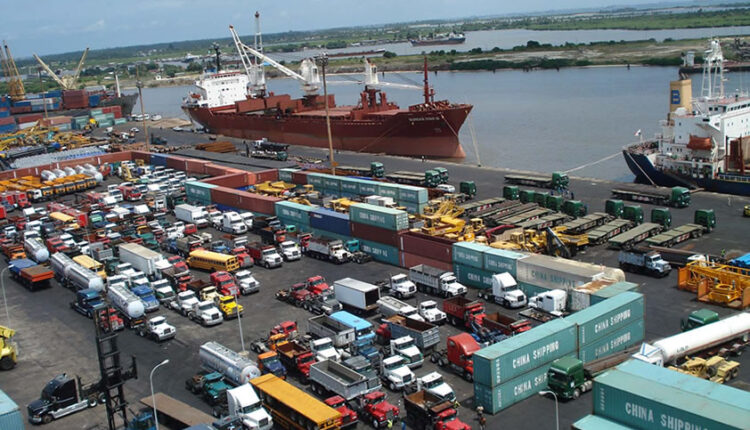
NSC: Championing Port Users’ Rights
The NSC played a pivotal role in safeguarding the interests of port users. By mediating disputes and curbing arbitrary charges, the council demonstrated its commitment to fostering a fair and competitive maritime sector.
Case Study:
A landmark achievement in 2024 was the NSC’s intervention in the Container Storage Fee Crisis. In collaboration with terminal operators, the NSC negotiated a 15% reduction in charges, saving importers billions in potential losses. PFSON participants underscored the importance of institutionalizing such measures to prevent future exploitative practices.
Lessons from PFSON 2024: Pathways for 2025
1. Integrated Maritime Policy
The PFSON Conference emphasized the need for a unified maritime strategy encompassing NIMASA, NPA, and NSC. This would ensure coordinated efforts in policy implementation, security, and infrastructure development.
2. Private Sector Collaboration
Delegates advocated for deeper partnerships with private investors to bridge funding gaps, modernize infrastructure, and enhance service delivery.
3. Capacity Building
PFSON 2024 highlighted the importance of training programs to equip maritime professionals with skills for emerging challenges such as digitalization and climate resilience.
4. Focus on Sustainability
With global emphasis on green shipping, the conference urged Nigerian agencies to adopt cleaner technologies and practices to remain competitive in international trade.
Reflections as We Enter 2025
As the maritime sector gears up for 2025, there is a shared recognition of the progress made in 2024 and the work that remains. Key lessons from PFSON 2024 serve as a roadmap for addressing systemic challenges and unlocking the sector’s full potential.
What Lies Ahead?
For NIMASA: Expanding the Deep Blue Project’s coverage and enhancing regional collaborations to sustain maritime security.
For NPA: Accelerating the renewal of concession agreements and implementing long-term solutions to port congestion.
For NSC: Strengthening advocacy efforts and institutionalizing reforms to protect port users’ interests.
Looking Forward with Case Studies in Mind
The 2024 success stories, such as the Gulf Guardian Incident and the Port Digitization Program, are testaments to what can be achieved with proactive governance and collaboration. However, these victories also highlight the need for consistency, accountability, and innovation.
As 2025 begins, the lessons from PFSON 2024 remain fresh and instructive. The maritime sector stands at a crossroads, with opportunities to drive economic growth and challenges that demand urgent attention. By building on the successes of 2024 and embracing the strategies outlined at PFSON, Nigeria can cement its status as a maritime hub in Africa and a critical player in global trade.
“The future of Nigeria’s maritime sector is in our hands,” remarked a PFSON 2024 delegate. “It’s time to act decisively and collaboratively.”
Discover more from Ameh News
Subscribe to get the latest posts sent to your email.