 As Nigeria enters 2025, the country’s economic landscape remains mired in the aftermath of an ambitious 18-month reform program that has led to mixed results. While reform fatigue has left the nation in an economic quagmire, a comprehensive reflection by the CEO of CFG Advisory, Adetilewa A. Adebajo, provides valuable insights into the country’s prospects.
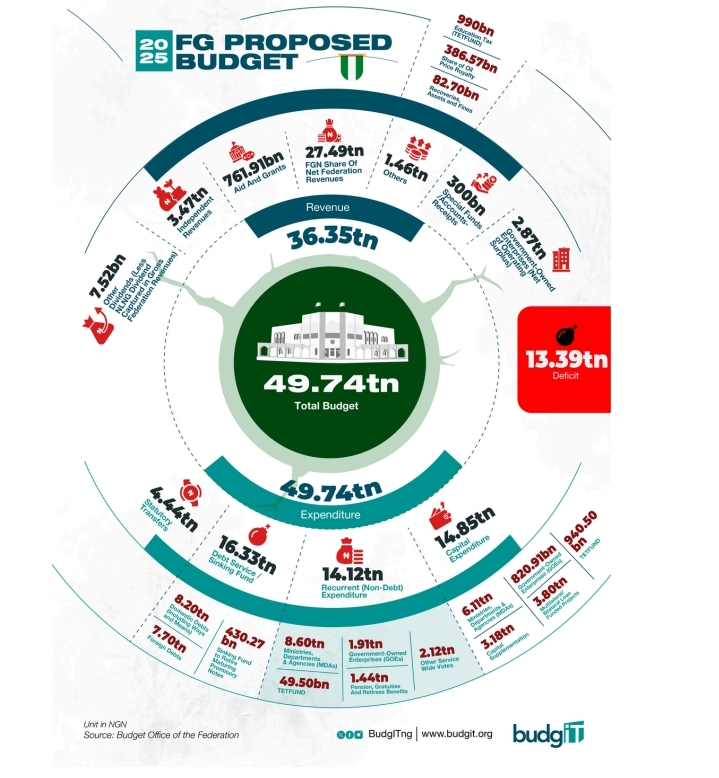
Despite initial hopes, the devaluation of the naira by more than 300%, from around 450 to 1,700 Naira/US$, has emerged as the reform’s most significant impact. The removal of fuel subsidies, although necessary, exacerbated the cost-push inflation, leading to higher living costs, reduced household purchasing power, and higher interest rates, which placed additional pressure on businesses. Government borrowing has surged past US$100 billion, while the debt service burden has doubled, from N8 trillion in 2024 to N16.3 trillion in 2025, a figure that now surpasses the combined budgets for defense, infrastructure, health, and education.
To make matters worse, social intervention programs, intended to offer relief to struggling Nigerians, have failed to make a meaningful impact due to widespread corruption. Money supply has ballooned by 50% year-on-year, reaching an all-time high of N108 trillion, severely hindering the Central Bank of Nigeria’s ability to meet its inflation target for 2024.
Looking to the future, the forecast remains grim unless decisive action is taken. Adebajo emphasized the need for the Federal Government to restructure its capital structure, sell off JV oil assets, and focus on boosting oil production to stabilize the naira, restore its credit rating, and stimulate sustainable growth. The outlook suggests high interest rates for the foreseeable future, with inflation expected to decrease to 22% by year-end, but the Naira’s value remains uncertain, potentially swinging between sub-1,000/$ or over 2,000/$.
The oil and gas sector saw a 10.2% growth in 2024, but with investments totaling just US$3 billion, the sector’s performance remains far below the levels required for long-term sustainability. Investment levels similar to those seen in 2009 and 2014, at US$22 billion, must be re-established to ensure optimal production and sector resilience.
Nigeria’s economic trajectory for 2025 hinges on the government’s ability to stabilize debt, tame inflation, and restore investor confidence. Without a coordinated, transparent, and decisive execution of monetary, fiscal, trade, and investment policies, the country’s struggle with stagnation and devaluation may continue, leaving its full economic potential untapped.
In conclusion, Nigeria’s journey from reform fatigue to sustainable growth requires a recalibration of priorities, with a renewed focus on fiscal discipline, strategic investments, and economic diversification to avoid further decline in its once formidable position as Africa’s largest economy. The time for bold, transformative action is now.
Discover more from Ameh News
Subscribe to get the latest posts sent to your email.