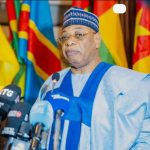
 Afreximbank has long positioned itself as a catalyst for economic growth across Africa, pledging significant resources to various sectors. However, its track record in delivering on these promises, particularly in Nigeria, calls for scrutiny. As the bank turns its attention to supporting aircraft financing for Nigerian airlines, stakeholders are left wondering: How sustainable is this promise in light of past commitments?
Unfulfilled Promises in the Maritime Sector
On May 31, 2021, Afreximbank pledged to provide a $350,000 grant to supplement the $400,000 made available by the Nigerian Export-Import Bank (NEXIM). This combined funding aimed to facilitate the acquisition of shipping assets, a move expected to strengthen Nigeria’s maritime sector. However, despite the fanfare surrounding this announcement, the promised funds never translated into visible progress.
Further bolstering expectations, on March 27, 2023, Afreximbank expanded its maritime commitments by announcing support for the development of Nigeria’s inland waterways. The initiative was designed to ensure the efficiency of the country’s water transport system and foster economic activity. Yet, nearly two years later, the waterways remain largely underdeveloped, with little evidence of the pledged support materializing.
A Pattern of Promises Without Progress
The aviation sector is now in the spotlight, with Afreximbank pledging to support aircraft financing for Nigerian airlines. This promise comes at a time when the industry faces critical challenges, including aging fleets, high operational costs, and limited access to foreign exchange. While the announcement is encouraging, history suggests caution.
The maritime sector’s experience highlights a concerning trend: bold commitments without tangible outcomes. Stakeholders in the aviation industry are understandably skeptical about whether Afreximbank’s latest promise will break this cycle.
Sustainability Hinges on Action
For Afreximbank’s commitment to aircraft financing to be sustainable and credible, it must depart from the patterns observed in the maritime sector. The following steps are critical:
1. Timely Disbursement: Afreximbank must ensure that funds are released within a clear and realistic timeframe.
2. Execution Framework: A robust implementation strategy, involving airlines and regulatory bodies, is necessary to avoid delays.
3. Transparent Reporting: Regular updates on the status of the financing initiative will foster accountability and build trust.
A Test of Credibility
Afreximbank’s promise to support aircraft financing for Nigerian airlines represents an opportunity to redeem its track record and deliver meaningful impact. However, without decisive action, this pledge risks becoming yet another unrealized promise, adding to the growing skepticism surrounding the bank’s sustainability in fulfilling its commitments.
As the aviation industry waits, the question remains: Will Afreximbank rise to the occasion or repeat the shortcomings of the past?
Discover more from Ameh News
Subscribe to get the latest posts sent to your email.