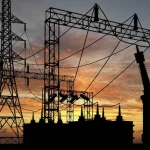
 The recent frequency collapse of Nigeria’s national power grid has once again cast a spotlight on the fragility of the nation’s energy infrastructure. For a country touted as Africa’s largest economy, this recurring issue is a national embarrassment, with far-reaching implications for economic growth, investor confidence, and citizen welfare.
A Persistent Problem
Nigeria’s power grid has faced numerous collapses over the years, highlighting systemic challenges in energy generation, transmission, and distribution. These collapses disrupt businesses, halt industrial activities, and leave millions of households in darkness, further compounding the already severe energy deficit.
Despite repeated assurances from government officials and industry stakeholders, the grid’s inability to maintain stability remains a glaring weakness. The latest collapse underscores the urgent need for comprehensive reforms and investments in Nigeria’s energy sector.
Economic Implications
The instability of the national grid imposes significant economic costs. For businesses, particularly small and medium enterprises (SMEs), downtime due to power outages results in lost productivity and increased reliance on costly alternatives like petrol and diesel generators. The ripple effects extend to the manufacturing sector, where production lines are often forced to shut down, leading to missed deadlines and financial losses.
Furthermore, frequent power outages deter foreign investment. Investors view a stable and reliable power supply as a fundamental requirement for doing business. Repeated grid collapses send a negative message about the country’s infrastructure readiness and governance.
Calls for Action
Experts and stakeholders have long called for a shift towards decentralised power generation, including the adoption of renewable energy solutions such as solar microgrids and wind farms. Diversifying energy sources and integrating modern grid technologies, such as smart grids and energy storage systems, could help mitigate the risk of frequency collapses.
There is also a need for stronger regulatory oversight and accountability within the energy sector. Government agencies must ensure that funds allocated for power projects are used efficiently, while private sector participation should be encouraged to inject innovation and expertise into the system.
Reflection and the Way Forward
The collapse of the national grid is more than a technical failure; it is a reflection of deeper systemic issues that demand urgent attention. As the nation grapples with the embarrassment and inconvenience of these frequent outages, it is clear that patchwork solutions are no longer sufficient.
Nigeria’s path to energy stability requires bold and sustained reforms, significant investment in infrastructure, and a commitment to leveraging the potential of renewable energy. Only through these measures can the country build a resilient and reliable power sector capable of supporting its economic ambitions and improving the quality of life for its citizens.
Stay informed, stay ahead with The Ameh News—your trusted source for impactful stories shaping the nation.
Discover more from Ameh News
Subscribe to get the latest posts sent to your email.