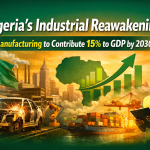
 As Nigeria navigates its path to sustainable economic growth, a retrospective glance reveals critical lessons and illuminating case studies that underscore the resilience and potential of Africa’s largest economy. In this flashback from #The Ameh News, we delve into pivotal moments and transformative policies that have shaped Nigeria’s economic trajectory, offering reflections for a prosperous future.
A Visionary Framework for Growth
In 2021, the Federal Government launched the National Development Plan (2021–2025), emphasizing industrialization, job creation, and economic diversification. While this plan set ambitious targets, a key reflection lies in the implementation gaps. For instance, sectors such as manufacturing and agriculture showcased potential, with initiatives like the Anchor Borrowers’ Program (ABP) recording significant success in boosting rice and maize production. However, inconsistent policies and inadequate infrastructure hampered broader outcomes.
The Dangote Refinery as a Case Study
The commissioning of the Dangote Refinery stands as a watershed moment in Nigeria’s economic history. Designed to meet local fuel demand and reduce foreign exchange dependency, the refinery demonstrates the power of private-sector leadership in tackling national challenges. Its potential to save billions in forex highlights the necessity of fostering public-private partnerships to address critical economic bottlenecks.
Economic Diversification: Lessons from Nollywood
Nigeria’s creative industry, particularly Nollywood, offers a compelling example of economic diversification. Growing from a grassroots sector to a global powerhouse contributing over $7 billion to the GDP annually, Nollywood underscores the importance of leveraging cultural capital. Lessons here point to the value of strategic investment, intellectual property protection, and international partnerships.
Reflections on Infrastructure Development
Nigeria’s infrastructure deficit remains a major impediment to growth. The Lagos-Ibadan railway project, completed in 2021, exemplifies how targeted investments can catalyze regional development. Yet, the lesson remains clear: for Nigeria to achieve its economic aspirations, infrastructure investments must be scaled up and matched with robust maintenance frameworks.
Insights for the Future
As the nation strides toward a $1 trillion economy, key insights emerge:
- Policy Consistency: Nigeria must prioritize stable policies that encourage investor confidence and long-term planning.
- Youth Inclusion: With over 60% of its population under 25, Nigeria’s youth represent an untapped goldmine. Targeted programs to harness their entrepreneurial spirit will be pivotal.
- Green Economy: Global trends favor renewable energy and sustainability. Nigeria’s potential in solar and bioenergy positions it to become a leader in Africa’s green economy revolution.
Reflecting on Nigeria’s economic journey, it is evident that the nation’s challenges are not insurmountable. With strategic planning, consistent implementation, and robust stakeholder engagement, Nigeria can transform its economic potential into sustained prosperity.
Stay informed. Stay ahead with #TheAmehNews – Your Gateway to Nigeria’s Economic Insights.
Discover more from Ameh News
Subscribe to get the latest posts sent to your email.