 Nigeria’s quest for a $1 trillion economy amid the upcoming GDP rebasing has placed the maritime sector at the center of national economic transformation. A key focus has been the modernization of port infrastructure, but a lingering question remains: Who is truly responsible for driving this transformation—NIMASA or the Nigerian Ports Authority (NPA)?
Over the years, both agencies have played crucial roles in the development of Nigeria’s maritime industry, but their mandates differ significantly. The Nigerian Maritime Administration and Safety Agency (NIMASA) is primarily responsible for maritime safety, security, regulatory compliance, and the promotion of shipping development. On the other hand, the Nigerian Ports Authority (NPA) oversees port operations, infrastructure development, and efficiency improvements within the ports.
Examining Port Modernization Efforts
1. Lagos Ports (Apapa & Tin Can Island): NPA’s Role in Decongestion Efforts
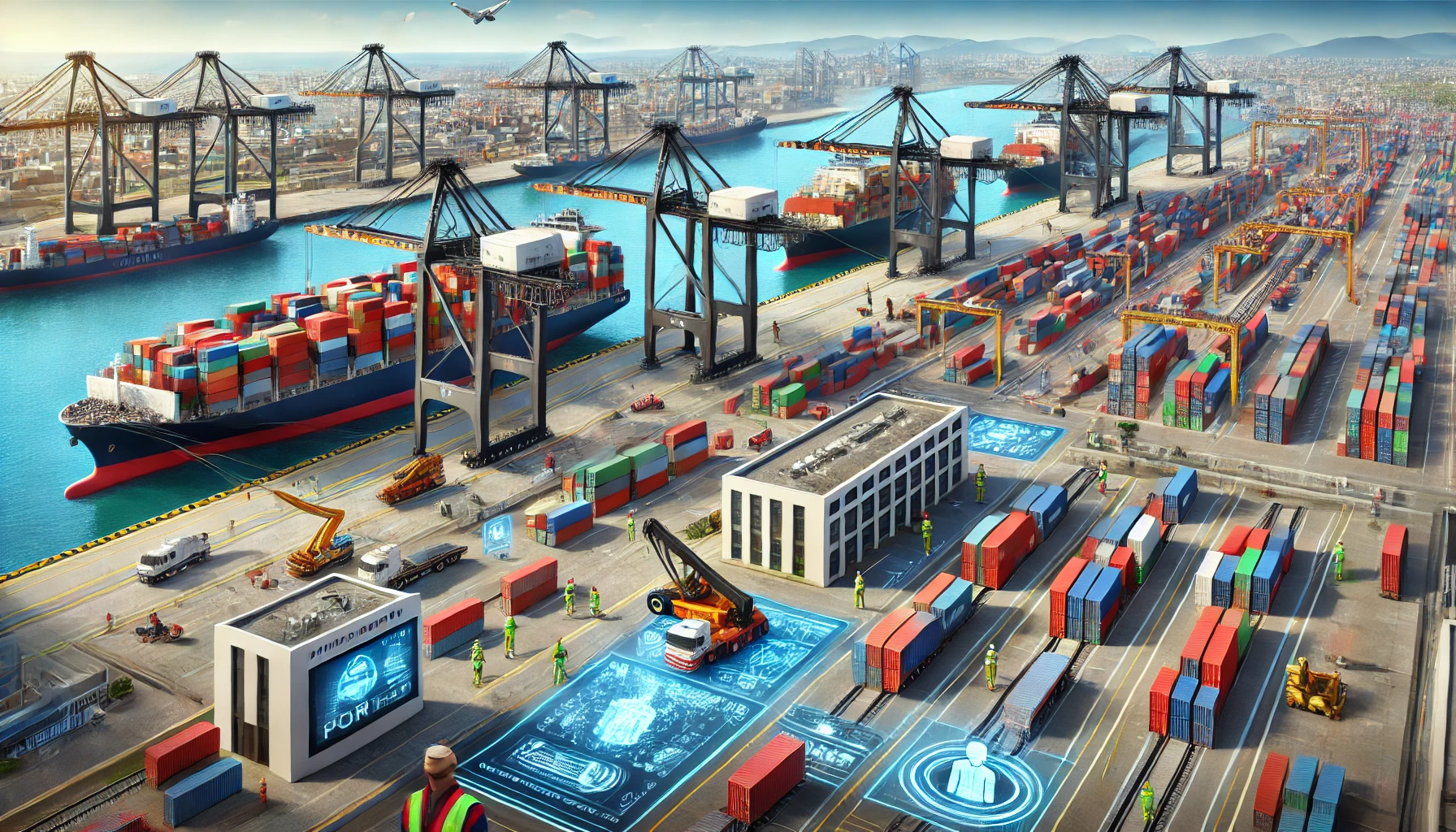
One of the biggest challenges facing Nigeria’s ports has been congestion, particularly at Apapa and Tin Can Island. To address this, NPA launched the Electronic Call-Up System (ETO) in 2021 to regulate truck movement, easing traffic gridlock. Furthermore, NPA spearheaded partnerships with private investors to enhance port infrastructure, including the Lekki Deep Seaport, which became operational in 2023. These efforts underscore NPA’s direct involvement in modernizing port infrastructure and improving operational efficiency.
2. Badagry Deep Seaport: A Collaborative Investment
The proposed Badagry Deep Seaport, expected to be one of Africa’s largest maritime facilities, showcases the overlap between NIMASA and NPA’s responsibilities. While NPA drives the infrastructural and operational framework, NIMASA ensures compliance with international maritime safety standards and facilitates foreign investments. This synergy is critical in attracting global shipping players and boosting Nigeria’s port competitiveness.
3. Floating Dock Facility: A NIMASA Project in Need of Optimization
NIMASA’s involvement in infrastructure development is evident in its acquisition of a multi-billion-naira floating dock aimed at reducing Nigeria’s dependency on foreign ship repairs. However, this facility has remained idle for years due to operational bottlenecks and lack of strategic implementation. This raises questions about NIMASA’s role in infrastructure development versus its regulatory functions. Should such projects be left to NPA, or should NIMASA take a more active role in ensuring its assets are utilized efficiently?
Aligning Responsibilities for Greater Impact
While both NIMASA and NPA contribute to the modernization of Nigeria’s ports, the primary responsibility for infrastructure development rests with NPA, as mandated by its establishment Act. NIMASA, however, plays a crucial supporting role by enforcing maritime security, facilitating ship registration, and promoting investment in the sector.
Going forward, a clearer synergy between the two agencies is essential to avoid duplication of efforts and to ensure that projects like the floating dock are maximized. As Nigeria positions itself for economic expansion, streamlining these responsibilities will be critical in achieving a modern, efficient, and globally competitive maritime sector.
Stay informed, stay ahead with The Ameh News as we continue to track Nigeria’s maritime modernization journey.
Discover more from Ameh News
Subscribe to get the latest posts sent to your email.