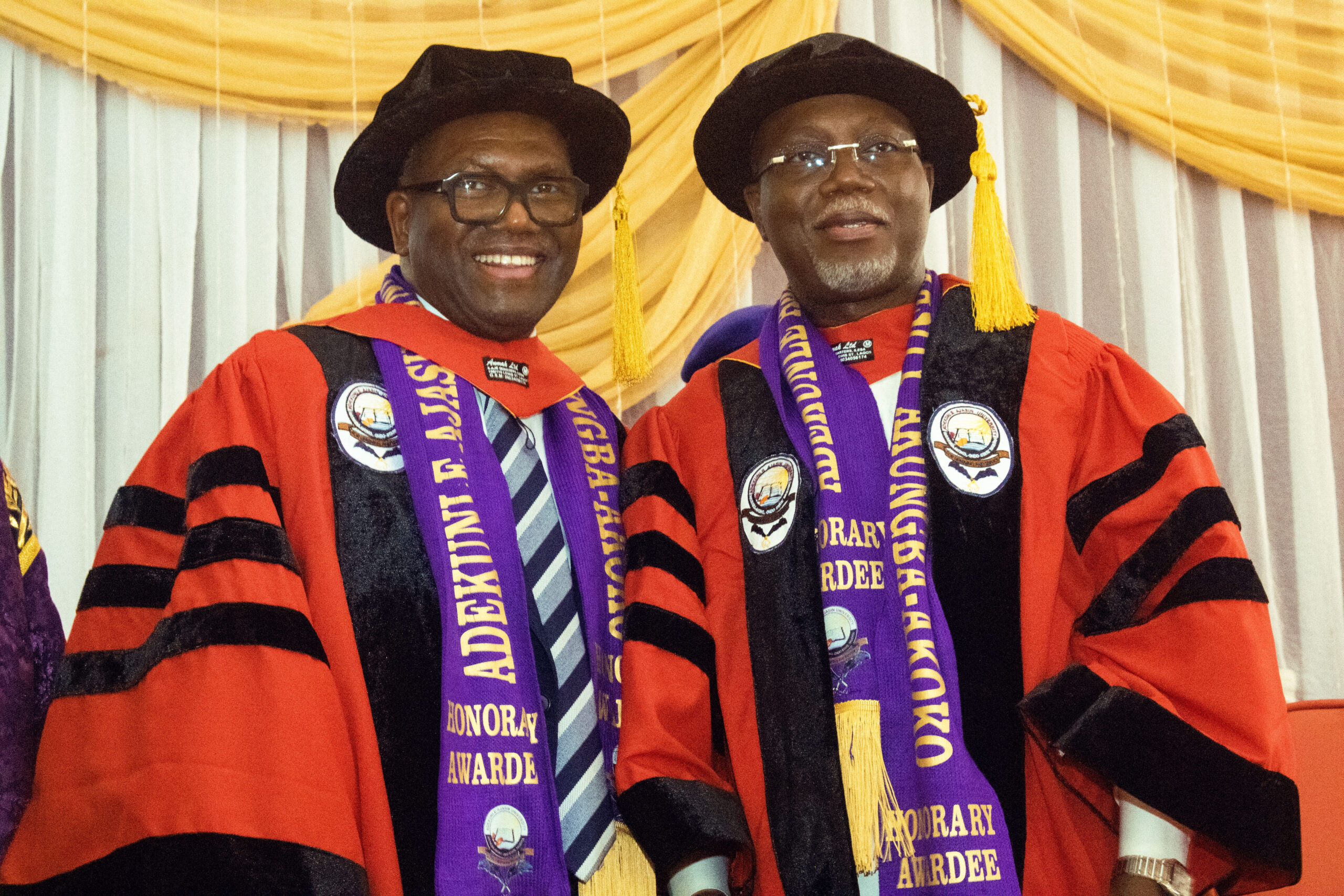
 Ayodele Subair, Executive Chairman of LIRS
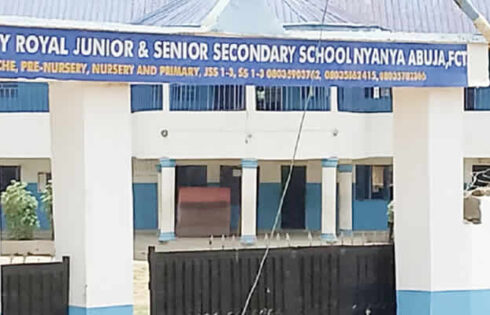
The Lagos State Government has consistently upheld its commitment to free education, ensuring that Senior Secondary School (SS3) students in state-funded schools benefit from free West African Examinations Council (WAEC) registration. This policy, integral to the THEMES PLUS agenda, reflects the government’s broader vision of providing essential services such as free healthcare, improved security, affordable housing, efficient transportation, and infrastructure development.
However, a recent clarification by the Lagos State Internal Revenue Service (LIRS) has reignited discussions about tax compliance and accessibility to government-funded programs. The agency reaffirmed that while WAEC registration remains free, parents and guardians are required to present a valid Tax Clearance Certificate (TCC) to access the benefit—a standard practice aligned with the Personal Income Tax Act (PITA) 2004 (as amended).
Reflecting on the Evolution of the Policy, Mr. Ayo Subair, Executive Chairman of LIRS, emphasized that the requirement for a TCC is neither new nor a restriction on free education. Instead, it is a mechanism to ensure fairness, accountability, and the equitable distribution of public resources. “Every resident, whether formally employed or not, is legally required to declare their income and fulfill their tax obligations. This is a civic responsibility and a fundamental aspect of the social contract between the government and its citizens,” he stated.
Bridging the Gap: Inclusivity in Tax Compliance
One of the significant concerns raised over the years is the inclusion of informal sector workers in the tax net. Many residents, especially small business owners and traders, may not have structured financial records. To address this, the government introduced a presumptive tax scheme, requiring an annual levy of ₦10,100 (₦10,000 tax and ₦100 development levy). This system enables informal sector taxpayers to obtain a TCC without extensive documentation, thereby simplifying compliance and broadening the tax base.
In response to feedback, LIRS has also established one-stop centers in markets and schools to ease the process of obtaining a TCC. These centers provide support and flexible payment options, including installment plans, to ensure that compliance does not become a financial burden. Additionally, students who do not reside with their biological parents can use the TCC of their guardians, making the policy more adaptable to different family structures.
Looking Ahead: Strengthening Public Trust in Government Services
While tax compliance remains a legal obligation, its linkage to free educational benefits underscores the importance of a sustainable funding model for public services. Critics have questioned whether requiring a TCC could inadvertently create barriers for some students. However, proponents argue that ensuring broad tax compliance ultimately enhances government revenue, allowing for continued investment in education, healthcare, and infrastructure.
As Lagos State forges ahead with its development plans, the interplay between taxation and social services will remain a subject of reflection. The government’s approach—balancing enforcement with accessibility—may well serve as a model for other states seeking to enhance revenue generation while maintaining social equity.
Discover more from Ameh News
Subscribe to get the latest posts sent to your email.