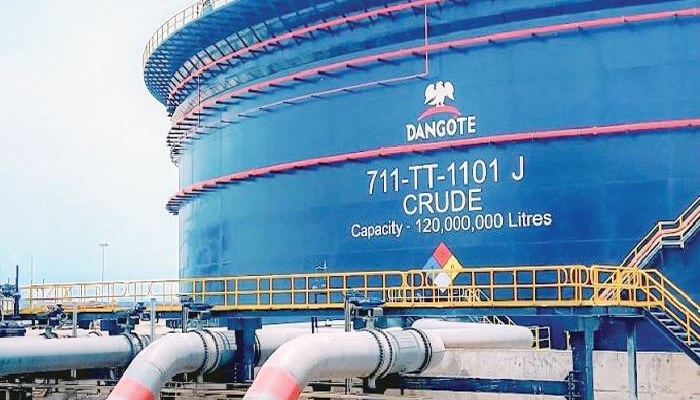
 The legal battle between Dangote Petroleum Refinery and Petrochemicals FZE and the Federal Competition and Consumer Protection Commission (FCCPC) over alleged monopolistic control of Nigeria’s petroleum market brings to light deeper regulatory tensions in the country’s oil and gas sector.
At the heart of the dispute is Dangote Refinery’s N100 billion lawsuit against the Nigerian Midstream and Downstream Petroleum Regulatory Authority (NMDPRA), challenging the continued issuance of import licenses to companies like the Nigerian National Petroleum Company Limited (NNPCL), Matrix Petroleum Services Limited, and A.A. Rano Limited. The refinery argues that these licenses violate the Petroleum Industry Act (PIA), which permits imports only when there is a proven shortfall in local refining capacity—a claim disputed by NMDPRA and NNPCL.
The clash escalated when the FCCPC sought to join the case, arguing that restricting petroleum imports in favor of Dangote Refinery could create an anti-competitive monopoly. The Commission maintained that Nigeria operates a free-market economy and that the PIA does not override its mandate to prevent monopolistic practices in the industry. Dangote Refinery, in response, dismissed the FCCPC’s involvement as unwarranted, asserting that its goal is to enhance local refining rather than suppress competition.
This courtroom face-off underscores broader economic implications. Dangote Refinery, which has positioned itself as a game-changer in Nigeria’s quest for energy self-sufficiency, faces mounting resistance from industry players and regulators wary of its dominance. Meanwhile, the federal government’s shifting stance—first allowing direct purchases from Dangote, then facing opposition from competing marketers—highlights inconsistencies in Nigeria’s downstream petroleum policies.
As the legal proceedings unfold, key questions remain: Will the court uphold Dangote’s claim that local refining capacity should dictate import policies, or will it side with regulators aiming to preserve competitive access to the market? More importantly, what precedent will this set for future regulatory and business dynamics in Nigeria’s oil sector?
With the next hearing set for today February 5, 2025, the outcome of this case could reshape Nigeria’s petroleum industry, influencing policies on refining, imports, and market competition for years to come.
Stay informed, Stay ahead with The Ameh News
Discover more from Ameh News
Subscribe to get the latest posts sent to your email.