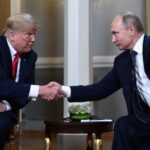
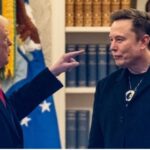
 As the world reeled from the aggressive policy shifts of former U.S. President Donald Trump following his January 20, 2025, inauguration, nations scrambled to adapt. His flurry of executive orders and trade wars rattled global markets, drawing reactions ranging from frustration to cautious optimism. For Nigeria, the challenge was clear: resilience was no longer an option—it was a necessity.
Resilience in the Face lof Uncertainty
Nigeria’s economic standing on the global stage has waned over the years, forcing policymakers to rethink strategies. Analysts viewed the shifting landscape as a double-edged sword—fraught with risks yet offering opportunities for growth. Economic experts at Financial Derivatives Company Limited highlighted this moment as a wake-up call, emphasizing that only through policy reforms and structural adjustments could Nigeria remain competitive.
Against the backdrop of global uncertainty, projections for Nigeria’s economic growth in 2025 remained cautiously optimistic. Analysts forecasted a GDP growth rate surpassing 4%, with gross capital formation estimated at $60 billion and a national savings ratio reaching 34.8%. The government also anticipated an increase in public spending, aimed at cushioning external shocks and reducing economic vulnerabilities.
The Cost of Delay: A Case Study in Infrastructure Failures
A stark reminder of Nigeria’s challenges lies in the Highway Development Management Initiative (HDMI), a promising policy now marred by delays and cost overruns. Originally introduced in 2022 to rehabilitate and concession 19 federal highways, the initiative secured investor confidence and government approval. However, a leadership transition at the Ministry of Works saw progress stall, turning a once-promising solution into an infrastructure nightmare.
As investors count their losses, Nigerian road users bear the brunt of these setbacks. The consequences are far-reaching—annual cost escalations of up to 30%, stalled investments worth trillions of naira, and productivity losses exceeding $29 billion per year, as estimated by the World Bank. The lesson remains clear: delays are costly, inaction is debilitating, and neglecting policy execution is destructive.
Signs of Economic Stability: A Glimpse of Hope
Despite these hurdles, some positive economic indicators emerged in early 2025. The naira appreciated by 6.07% to ₦1,565 per dollar in the parallel market, buoyed by technical factors despite external reserves falling to $39.5 billion. Additionally, refinery prices for petrol dropped to ₦890 per litre, though retail prices at the pump remained high. Inflation, which had been a persistent concern, showed signs of easing to 33.1% in Q1 2025, fueled by a stabilizing currency and moderated food and fuel prices.
At the Lagos Business School (LBS) Breakfast Session, renowned economist Bismarck Rewane and the Financial Derivatives Company (FDC) Think Tank provided a comprehensive analysis of Nigeria’s economic trajectory. Their evidence-based insights underscored a critical takeaway—while external shocks are inevitable, Nigeria’s economic destiny hinges on decisive policy execution.
As the country navigates these turbulent times, one truth remains: not all threats materialize into disasters. But without strategic action, even the bark of an economic challenge can turn into a bite that is too painful to ignore.
Stay informed, Stay ahead with The Ameh News
Discover more from Ameh News
Subscribe to get the latest posts sent to your email.