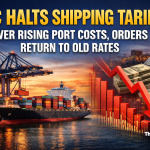
 The Nigerian Ports Authority (NPA), in a move long overdue, has now secured approvals to implement a 15% upward review of its rates—a decision aimed at revitalizing the nation’s ports and reclaiming their competitiveness in the global market. According to the NPA, for over three decades, Nigeria’s port tariffs remained stagnant, an unusual scenario in a globally evolving maritime industry where infrastructure, technology, and operational costs have continuously risen.
 It was further revealed that the last reviewed was in 1993, the economic landscape was vastly different. The current reality presents a stark contrast: aging infrastructure, obsolete equipment, and slow expansion have severely limited the performance of Nigerian ports. Without adequate revenue, the NPA struggled to modernize its operations, dredge channels, invest in automation, and provide security and energy-efficient solutions, the report stress.
Speaking on the issue further, Dr. Abubakar Dantsoho, Managing Director of NPA, emphasized that this tariff adjustment is not just about increasing costs but a strategic move to enhance port efficiency. “The review will enable us to fast-track port reconstruction and modernization, acquire state-of-the-art ICT infrastructure for the Port Community System (PCS), and improve service delivery,” he stated.
Industry stakeholders have largely welcomed the decision, recognizing that inflation—now at approximately 35%—has eroded the real value of port tariffs over the years. At a stakeholder meeting in Lagos, Joshua Asanga noted that while wages, fuel, and operational costs have risen exponentially, NPA’s rates have remained static, creating an imbalance that hinders development. Similarly, Demian Ukagu advocated for additional investment in outer port facilities, including the Kirikiri Lighter Terminal, to ensure sustainable growth.
The discussion underscored a critical reality: maintaining outdated tariffs has led to poor service, inadequate remuneration, and deteriorating infrastructure. With this long-overdue tariff revision, NPA aims to turn the tide—ensuring Nigerian ports remain a viable and attractive hub for global trade while fostering economic growth and job creation.
This move marks not just a price adjustment but a renewed commitment to positioning Nigeria’s ports for the future.
Discover more from Ameh News
Subscribe to get the latest posts sent to your email.