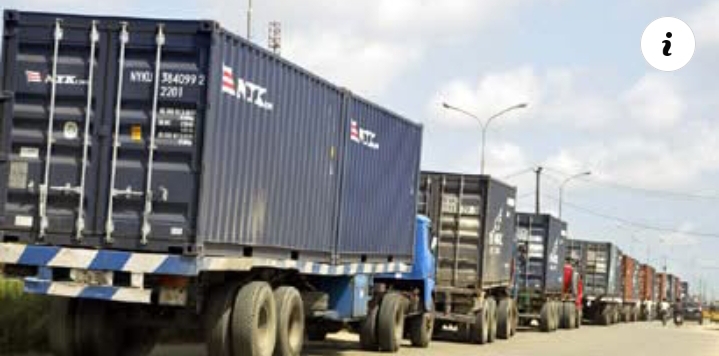
 The Lagos ports, a vital hub for Nigeria’s maritime trade, are once again at the center of controversy as tensions rise following the arrival of the Federal Government’s zero-duty grains. This initiative, aimed at cushioning food inflation and enhancing supply chain efficiency, has inadvertently triggered a wave of fraudulent activities in the trucking sector.
Reports emerging from port stakeholders indicate that truckers have been misdirecting call-up tickets meant for grain evacuation, diverting them for use in other cargo movements. This fraudulent practice is aggravating congestion at the ports and disrupting the smooth transit of essential food supplies meant for nationwide distribution.
Reflecting on past port crises, the Lagos ports have long struggled with issues of corruption, inefficiency, and bureaucratic bottlenecks. The electronic call-up system, introduced to streamline truck movements, was expected to resolve many of these challenges. However, history is now repeating itself as loopholes in the system are being exploited once again.
According to the Secretary of the Association of Maritime Truck Owners (AMATO), this latest incident exposes deep-seated issues in port governance and logistics. He lamented that without strict enforcement measures and digital transparency, vested interests will continue to manipulate processes to their advantage.
 The reflection on past events shows that each government intervention aimed at reforming port operations has met with resistance from certain quarters. Whether it was the 2021 introduction of the electronic call-up system or past attempts at decongesting Apapa, implementation has often been undermined by fraud and vested interests.
This latest grain import crisis is a wake-up call for authorities to reinforce monitoring mechanisms, enhance digital tracking of truck movements, and hold fraudulent operators accountable. If left unchecked, this situation could derail the government’s food security agenda and further complicate the already fragile supply chain dynamics at the ports.
Stakeholders now look to the Nigerian Ports Authority (NPA) and the Nigeria Customs Service (NCS) to take decisive action to curb the growing misconduct, ensuring that the zero-duty grain policy fulfills its intended purpose without falling prey to systemic corruption.
Discover more from Ameh News
Subscribe to get the latest posts sent to your email.