NNPCL’s Uphill Battle Against Misinformation: A Test of Reputation and Resilience
In the ever-evolving landscape of Nigeria’s energy sector, the Nigerian National Petroleum Company Limited (NNPCL) has weathered storms of public scrutiny, operational challenges, and policy shifts. Yet, one of the most persistent battles it faces is against misinformation—misleading narratives that seek to undermine its reputation and shake public confidence.
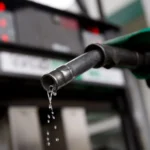
The recent viral video alleging that petrol from NNPCL outlets is of inferior quality compared to that supplied by the Dangote Refinery is a stark reminder of the power of digital influence. The video, which quickly gained traction on social media, purported to show an experiment where petrol from an NNPCL outlet allegedly burned out faster than fuel purchased from an MRS filling station.
This incident is not the first time NNPCL has been at the center of public skepticism. In the past, accusations of fuel adulteration, supply inefficiencies, and pricing concerns have sparked public debates and regulatory interventions. However, what makes this case different is the speed at which misinformation spreads in the digital age. With just a few clicks, an unverified claim can shape perceptions, influence consumer behavior, and even impact the financial markets.
NNPCL’s response was swift and firm. In a strongly worded statement, Chief Corporate Communications Officer Olufemi Soneye dismissed the video as “unverified and amateur research that lacks credibility, accuracy, and professional oversight.” He further emphasized that NNPCL sources a significant portion of its petrol from the same Dangote Refinery that supplies MRS, making any quality disparity implausible.
Beyond the immediate denial, this episode raises deeper questions about accountability in the age of digital virality. Should corporations remain reactive, only responding when misinformation has already spread, or should they adopt a more proactive stance—leveraging transparency and public education to prevent such narratives from taking root?
Historically, NNPCL’s journey has been intertwined with public trust. From the fuel subsidy debates to the unbundling of the corporation, every major policy move has been met with intense scrutiny. However, with Nigeria’s energy landscape shifting—especially with the emergence of Dangote’s refinery as a key player—competition and consumer perception will play a more significant role than ever before.
For NNPCL, this incident is not just about refuting a viral claim; it is about reinforcing credibility in an industry where perception can be just as important as performance. By taking legal action against false narratives, the company is signaling a shift from passive response to active reputation management—a strategy that will be critical in an era where misinformation can spread faster than fuel burns.
As Nigeria marches toward energy self-sufficiency, the battle for trust in the petroleum sector will only intensify. The question remains: Will NNPCL turn this challenge into an opportunity to redefine its image, or will it remain in a constant firefighting mode against digital misinformation? Only time will tell.
Stay informed, Stay ahead with The Ameh News
Discover more from Ameh News
Subscribe to get the latest posts sent to your email.