As part of its commitment to modernizing Nigeria’s tax administration, the Federal Inland Revenue Service (FIRS) has expanded its digital tax system, leveraging technology to combat tax evasion and enhance compliance. This strategic move aligns with global best practices and supports the government’s revenue mobilization agenda.
Driving Compliance Through Automation
FIRS introduced its digital tax platform to streamline tax filing, improve transparency, and reduce human interference in tax assessments. The automation of processes such as e-filing, e-payment, and e-receipting has significantly reduced leakages and tax fraud.
A case in point is the adoption of the TaxPro-Max platform, which enables taxpayers to register, file, and pay taxes seamlessly. According to FIRS, the platform has increased tax revenue collection efficiency by over 30% since its implementation, reducing cases of underreporting and tax default.
The Banking Sector
Nigeria’s banking industry has been a key focus of the FIRS digital tax compliance initiative. Before automation, many financial institutions struggled with real-time tax remittance, leading to revenue losses. However, with the integration of the Automated VAT Collection System, banks now remit Value-Added Tax (VAT) and withholding tax directly to the FIRS system, ensuring accurate and timely payments. This has improved compliance and boosted VAT collections by over 45% in 2023.
E-Commerce and Digital Economy
The rise of the digital economy presented tax collection challenges, particularly in tracking and taxing online transactions. To address this, FIRS implemented a digital monitoring system that enables the tracking of tax obligations from e-commerce platforms, fintech companies, and foreign service providers operating in Nigeria. For example, major online payment processors and ride-hailing companies have been integrated into the digital tax system, ensuring that VAT and corporate taxes are duly remitted.
Challenges and Future Prospects
Despite these successes, the transition to a fully digital tax system has not been without challenges. Some businesses, particularly in the informal sector, have faced difficulties adapting to the new system due to low digital literacy and internet access issues. Additionally, concerns over cybersecurity and data privacy remain a priority for FIRS in ensuring taxpayer information security.
Looking ahead, the FIRS aims to expand its digital framework by incorporating Artificial Intelligence (AI) and Big Data Analytics to detect tax fraud patterns and improve enforcement. The agency is also intensifying taxpayer education to ease the transition for businesses yet to fully integrate into the system. Recognizing that technology-driven reforms can only be effective when businesses fully understand and adopt them, the agency is prioritizing awareness campaigns, training, and sector-specific engagements.
Bridging the Knowledge Gap
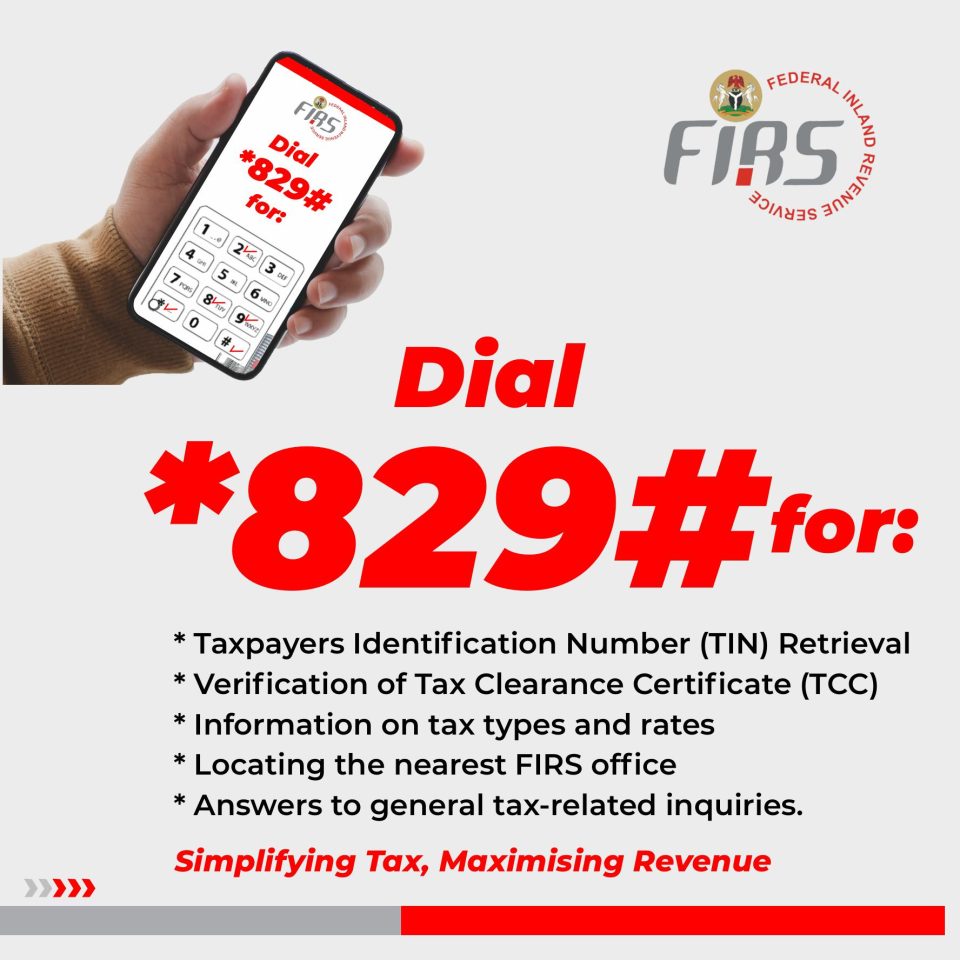
For many businesses, especially small and medium enterprises (SMEs), navigating the complexities of tax compliance in a digital landscape has been a daunting challenge. While platforms like TaxPro-Max have automated tax registration, filing, and payment, a significant number of businesses still struggle with adoption due to limited digital literacy, misconceptions about taxation, and fear of regulatory scrutiny.
To address this, FIRS has rolled out nationwide taxpayer sensitization programs, offering workshops, online tutorials, and one-on-one advisory services to educate businesses on the benefits of digital tax compliance. These programs are designed to demystify the process, reduce resistance to change, and foster a culture of voluntary compliance.
The Informal Sector and Market Traders
One of the biggest challenges has been integrating Nigeria’s vast informal economy, which accounts for nearly 60% of GDP, into the tax system. Many traders, artisans, and small-scale entrepreneurs operate outside the formal tax net, often due to a lack of awareness or mistrust in the system.
In response, FIRS launched targeted outreach programs in major markets such as Ariaria in Aba, Balogun in Lagos, and Sabon Gari in Kano. Through in-person engagements, the agency has helped thousands of traders understand how digital tax payments can be seamless, reduce business disruptions, and even provide financial benefits, such as improved access to credit facilities.
A notable success story is the case of a textile dealer in Balogun Market who, after attending an FIRS seminar, registered her business digitally and now enjoys hassle-free tax remittances, positioning her business for growth and formal banking support.
Tech Startups and the Digital Economy
FIRS has also focused on Nigeria’s booming digital economy, where many tech startups and freelancers previously operated in tax gray areas. Many believed that digital earnings—especially from foreign clients—were not taxable, leading to widespread non-compliance.
By collaborating with fintech hubs and startup incubators, FIRS has clarified tax obligations for digital entrepreneurs and freelancers. The result has been increased registrations and tax filings from companies in Lagos’ Yaba tech cluster, Abuja’s startup scene, and beyond. One fintech CEO noted that structured tax education helped his company avoid hefty penalties and build investor confidence.
Shaping the Future of Tax Compliance
While progress has been made, the journey toward full compliance is ongoing. FIRS is working on expanding its taxpayer education initiatives by:
- Introducing AI-driven chatbots to provide instant answers to tax-related inquiries.
- Partnering with trade associations to create customized tax literacy programs.
- Developing multilingual educational materials to reach more business owners across Nigeria.
As the Nigerian tax landscape evolves, FIRS remains committed to ensuring that no business is left behind. The message is clear: taxation is not just about revenue collection—it’s about national development. By fostering understanding and trust, FIRS is paving the way for a more inclusive and sustainable tax system.
As Nigeria continues its digital transformation in tax administration, stakeholders are encouraged to embrace the new system, ensuring tax compliance while contributing to national development.
Stay informed, Stay ahead with The Ameh News.
Discover more from Ameh News
Subscribe to get the latest posts sent to your email.