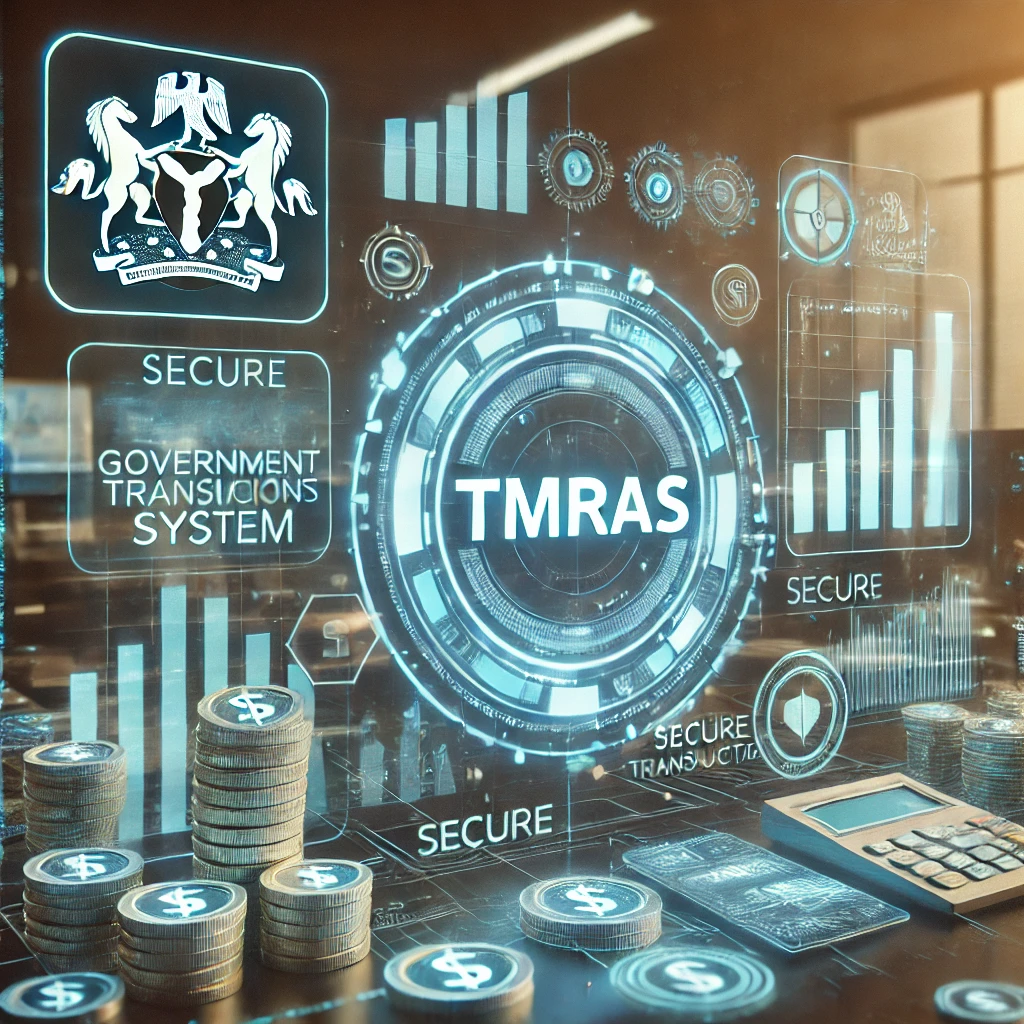
 The Federal Government today officially launched the Treasury Management & Revenue Assurance System (TMRAS), a new payment platform designed to overhaul and streamline revenue collection, replacing REMITA, which has been in use for years. This transition represents a major leap in Nigeria’s public finance management, marking another milestone in the country’s digital governance evolution.
The unveiling of TMRAS comes in the wake of a memo from the Office of the Accountant General of the Federation (OAGF) dated February 28, 2025, obtained by The PUNCH. The document outlined the strategic shift aimed at improving transparency, efficiency, and accountability in federal revenue administration across Ministries, Departments, and Agencies (MDAs).
A Look Back: The REMITA Era and Its Impact
The introduction of REMITA revolutionized revenue collection in Nigeria, particularly under the Treasury Single Account (TSA) policy, which consolidated government funds into a single account managed by the Central Bank of Nigeria (CBN). Launched during the Muhammadu Buhari administration, REMITA was instrumental in blocking revenue leakages, improving financial discipline, and curbing corruption in government transactions.
However, over time, concerns emerged over its cost of operation, inefficiencies in transaction processing, and lack of full integration with modern financial management tools. Critics argued that while REMITA played a pivotal role in the TSA system, it had outlived its initial purpose, necessitating a more advanced and transparent platform.
The Birth of TMRAS: A New Era in Public Finance
TMRAS will operate in two phases:
- Phase One (March 4, 2025): This will cover naira payments and collections, allowing the OAGF and MDAs to track bank statements, monitor balances, and automate tax deductions from vendor and contractor payments, including VAT, Withholding Tax, and Stamp Duty.
- Phase Two (June 1, 2025): This phase will integrate foreign exchange transactions and synchronize payments with MDA Enterprise Resource Planning (ERP) systems. It will also introduce a budget control module to monitor financial activities outside the national budget.
One of the most groundbreaking features of TMRAS is its ability to automatically deduct 50% of Internally Generated Revenue (IGR) from government agencies, ensuring instant remittance and real-time reporting to both the OAGF and the respective MDAs. This aims to reduce revenue diversion, enhance compliance, and strengthen the government’s fiscal control mechanisms.
Reflections on the Transition: The Bigger Picture
The shift from REMITA to TMRAS is not just about technology—it is a policy evolution reflecting the Coordinating Minister of Finance and National Economy, Wale Edun’s, commitment to an effective treasury management strategy. The Federal Government envisions a future-proofed financial system where:
- Revenue leakages are eliminated through enhanced automation.
- Manual processing of extra-budgetary payments is eradicated, ensuring strict compliance with budgetary allocations.
- Only CBN-licensed Payment Solution Service Providers (PSSPs), pre-approved by the OAGF, are allowed to collect government revenues.
Challenges and the Road Ahead
While TMRAS promises greater efficiency and transparency, the transition may not be without hurdles. Key challenges include:
- System Adoption & Training: MDAs and financial institutions will require adequate training to ensure a seamless switch.
- Technical Glitches: As with any new system, there is a possibility of downtime, bugs, or integration delays.
- Stakeholder Compliance: Ensuring that all vendors, contractors, and government agencies fully embrace the new platform will be crucial to its success.
To mitigate risks, REMITA will run concurrently with TMRAS for two months (March 4 – May 4, 2025) before being fully phased out. This gradual transition strategy is expected to minimize disruptions in government financial transactions.
A Defining Moment in Nigeria’s Digital Public Finance Reform
As Nigeria embraces TMRAS, this moment will be remembered as a bold step toward financial accountability and efficient governance. The success of the new system will not only depend on its technological sophistication but also on political will, enforcement of compliance, and continuous innovation.
For the Nigerian economy, a transparent and efficient revenue collection system is more than just an administrative tool—it is a fundamental pillar of economic stability and growth. The unveiling of TMRAS today marks a new dawn in fiscal governance, but its true impact will be measured in the months and years to come.
Stay informed, Stay ahead with The Ameh News
Discover more from Ameh News
Subscribe to get the latest posts sent to your email.