 As the naira took a sharp fall against the U.S. dollar, dropping 3.5% in the parallel market on Thursday, the economic hardship faced by millions of Nigerians deepened. The currency depreciated by N55, with the dollar trading at N1,580 compared to N1,525 the previous day, leaving many struggling to afford basic necessities.
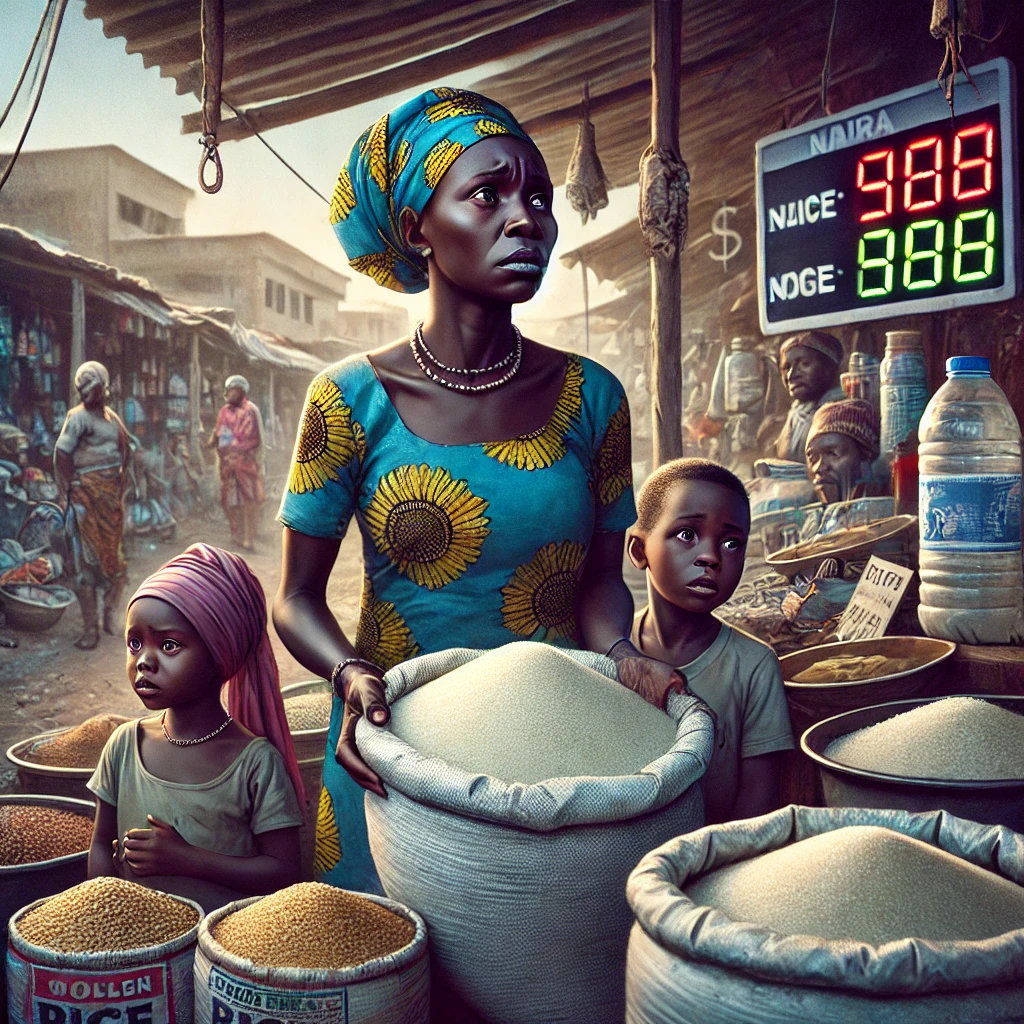
For Sade Adeniran, a single mother of three who sells foodstuffs in Lagos, the news was devastating. “Every time the naira falls, my suppliers increase their prices. I cannot keep up,” she lamented, adding that a bag of rice that sold for N65,000 just weeks ago now costs nearly N75,000. “Customers complain, but what can I do? If this continues, I may have to close my shop.”
The currency had previously strengthened to N1,485/$1 last month, giving a glimmer of hope, but financial experts warned that the recovery was unsustainable. Ayokunle Olubunmi, Head of Financial Institution Ratings at Agusto & Co., cautioned that while 2025’s devaluation may not be as steep as 2024’s, the naira is still expected to weaken further.
Beyond market figures, the impact is being felt across households and businesses. Aminu Gwadabe, President of the Association of Bureaux De Change Operators of Nigeria (ABCON), blamed supply shortages, limited access to dollars, and rising speculation for the renewed depreciation. “We are seeing a loss of confidence in the system, triggering currency substitution and speculative hoarding,” he explained.
Gwadabe urged the Central Bank of Nigeria (CBN) to intervene decisively, including granting approval for licensed operators to import dollar cash and ensuring transparency in bank dollar sales to BDCs. He also called for a state of emergency on inflation, warning that the continued naira decline would worsen poverty levels if not addressed urgently.

The naira’s woes extended to the official FX market, where it depreciated by 0.6% to N1,500.80/$1, compared to N1,491.67/$1 a day earlier, according to FMDQ Securities Exchange Limited. Data from the CBN also indicated a slight drop, with the naira closing at N1,505/$1 on Wednesday from N1,502/$1 the previous day.
For Nneka Eze, a pharmacist in Abuja, the implications are clear: higher drug prices and reduced access to essential medications. “We import most of our drugs, and suppliers demand payment in dollars. The weaker the naira, the more expensive medicines become,” she explained. “Patients are already struggling to afford healthcare. If this continues, lives will be at risk.”
As businesses and families brace for tougher times, the big question remains: will authorities act swiftly to stabilize the naira, or will Nigerians continue to bear the brunt of its decline?
Stay informed Stay ahead with The Ameh News
Discover more from Ameh News
Subscribe to get the latest posts sent to your email.