Unveiling the Long-Awaited CVFF Disbursement for Maritime Growth
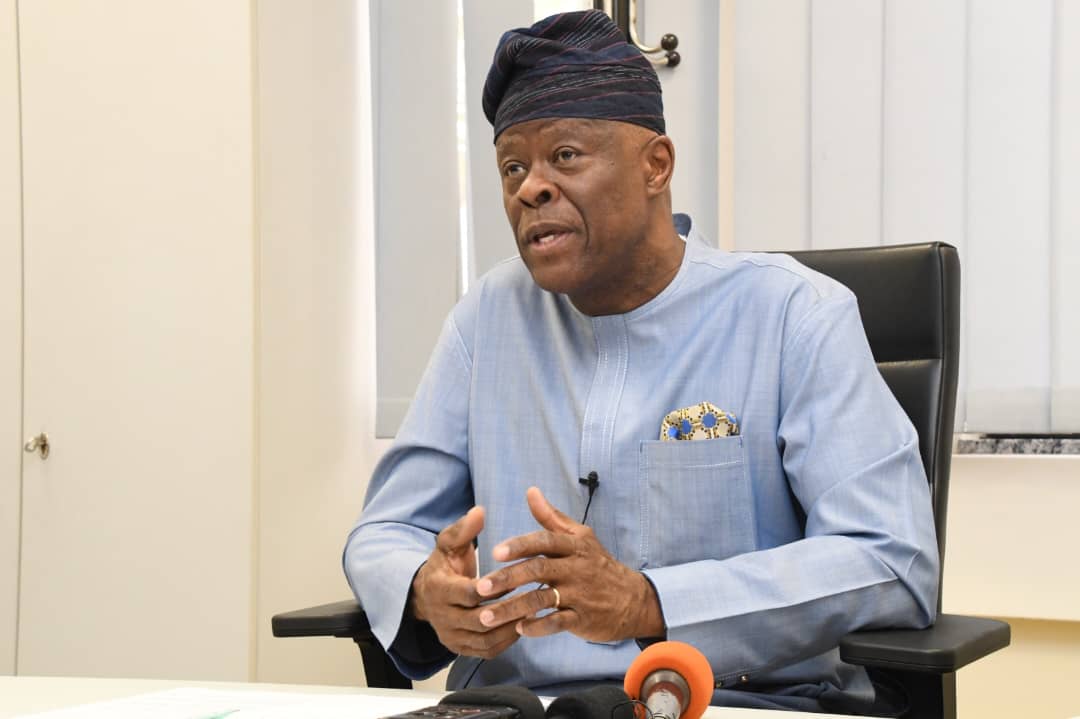 The Federal Government’s renewed commitment to disbursing the Cabotage Vessel Financing Fund (CVFF) stands as a defining moment for Nigeria’s maritime sector, promising a transformative impact on economic growth, job creation, and national development. This commitment, reinforced by the Minister of Finance and Coordinating Minister of the Economy, Wale Edun, marks a significant policy shift aimed at empowering indigenous shipowners and fostering a more competitive maritime industry.
For nearly two decades, the CVFF—a fund established under the Coastal and Inland Shipping (Cabotage) Act of 2003—has remained largely untapped, despite its potential to revolutionize the shipping sector. The fund, sourced from a 2% surcharge on contracts awarded to local shippers, was designed to provide financial support to indigenous operators, enabling them to acquire vessels and compete effectively in the global shipping space. However, successive administrations failed to implement its disbursement, citing policy inconsistencies, bureaucratic bottlenecks, and concerns over fund management.
The renewed pledge by the Tinubu-led administration to activate the CVFF signals a break from the past and a strategic move to unlock the sector’s potential. At a time when Nigeria is pushing for economic diversification and self-sufficiency, the maritime industry stands as a critical driver of non-oil revenue, facilitating trade, commerce, and industrialization. The decision to finally disburse the funds aligns with the government’s broader vision of supporting indigenous businesses, reducing dependence on foreign-owned vessels, and enhancing local capacity in the shipping sector.

Beyond economic implications, the disbursement of the CVFF is set to create thousands of direct and indirect jobs across shipbuilding, logistics, and supply chain industries. By empowering Nigerian shipowners to acquire new vessels, the initiative will reduce capital flight, improve local content participation, and increase Nigeria’s fleet capacity in both coastal and deep-sea shipping.
However, while stakeholders welcome this development, there remains a cautious optimism over the effective execution of the disbursement. Transparency, accountability, and strict monitoring mechanisms will be required to ensure that funds reach the right beneficiaries and are utilized for their intended purpose. The government’s ability to address concerns over fund management, regulatory oversight, and repayment structures will ultimately determine the success of the CVFF in driving long-term growth.
As Nigeria embarks on this historic path of unlocking maritime financing, industry players and economic analysts view the move as a potential game-changer. If successfully implemented, it could position Nigeria as a dominant player in Africa’s shipping industry, stimulate economic expansion, and set a precedent for harnessing other dormant financial interventions for national development. The coming months will reveal whether this long-awaited promise will finally translate into tangible benefits for the sector and the economy at large.
Stay informed, Stay ahead with The Ameh News
Discover more from Ameh News
Subscribe to get the latest posts sent to your email.