In a bid to deepen transparency and uphold anti-corruption principles, the Port and Terminal Multiservices Limited (PTML) Command of the Nigeria Customs Service (NCS) has forged a strategic partnership with the Independent Corrupt Practices and Other Related Offences Commission (ICPC).
At a sensitization lecture organized by the NCS South Zone Anti-Corruption and Transparency Unit (ACTU), the Customs Area Controller of PTML, Comptroller Tenny Mankini Daniyan (MNIA), reaffirmed the command’s commitment to accountability and efficiency in service delivery. He urged officers to embrace transparency as a means to foster fairness, productivity, and improved public trust.
Customs Modernization to Enhance Service Efficiency
Comptroller Daniyan emphasized that the ongoing modernization of Customs operations is designed to promote transparency, ensuring better revenue collection, enhanced trade facilitation, and more effective anti-smuggling measures. He highlighted that over 80% of the service’s operations are automated, eliminating manual interference and reinforcing accountability.
He further stressed that Customs officers should view regulatory watchdogs as partners rather than adversaries, noting that strict adherence to compliance regulations will enhance operational integrity.
Faster Clearance Times for Compliant Cargo
Reaffirming PTML’s efficiency, Comptroller Daniyan disclosed that the command has achieved a record clearance time of two hours for compliant Roll-on/Roll-off (RoRo) consignments. He pledged to surpass this feat, provided importers and agents adhere to accurate declarations and timely duty payments.
He also dispelled misconceptions regarding revenue collection, emphasizing that all customs duties are remitted directly to authorized dealer banks, leaving no room for financial misappropriation. Additionally, auditors from the Office of the Auditor-General of the Federation routinely review the command’s financial records, ensuring strict compliance with federal policies.
ICPC Advocates Ethical Conduct and Transparency
Addressing Customs officers, Mrs. Mary Omonoyan, Chief Superintendent of the ICPC’s Public Enlightenment and Education Unit, underscored the importance of building a culture of accountability and transparency in public institutions. She emphasized that since government agencies operate with public funds, they must uphold ethical financial practices and remain open about expenditures.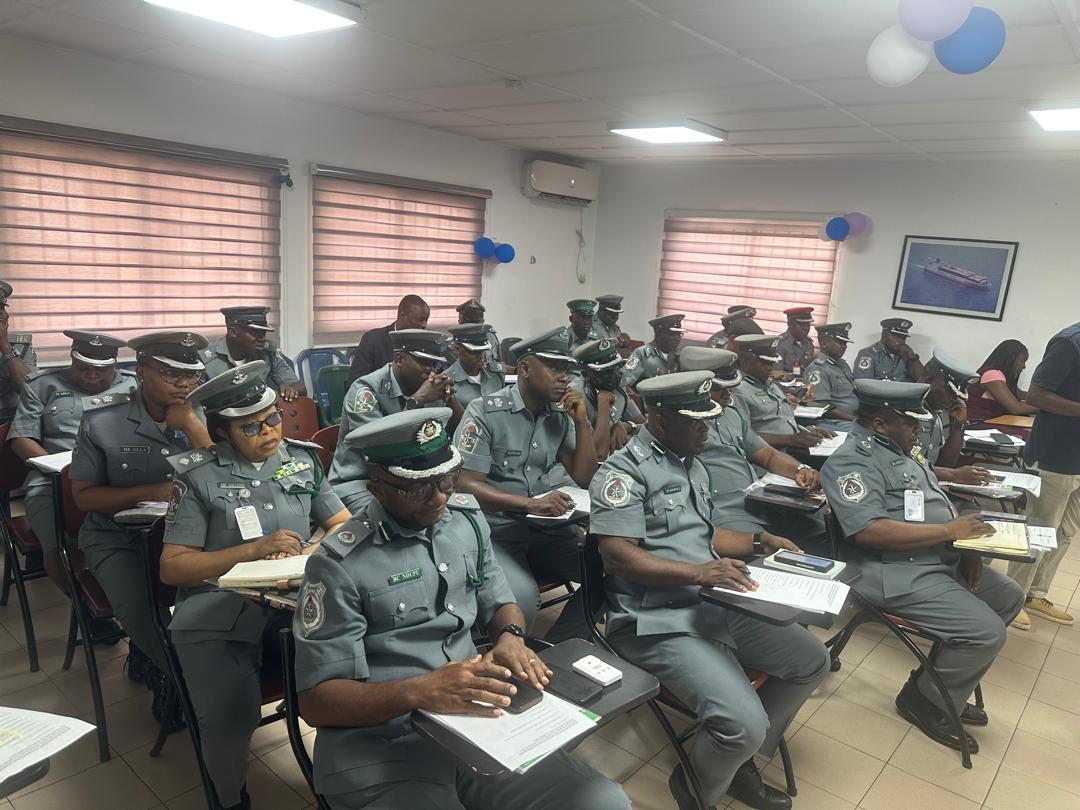
She outlined the ICPC Act of 2000, which defines corruption to include bribery, fraud, forgery, impersonation, abuse of official property, over-invoicing, and sexual harassment. She revealed that the ICPC has strengthened its efforts against workplace misconduct by establishing a Sexual Harassment Unit at the national level.
Strengthening Integrity Through Ethical Compliance
Mrs. Omonoyan explained that discretionary actions in promotions, appointments, employment, and disciplinary processes often fuel corruption. She urged officers to report bribery transactions, citing Section 23 of the ICPC Act, which mandates public officers to disclose such infractions.
She also highlighted the ICPC Ethics and Integrity Compliance Scorecard, which assesses government institutions on their transparency and ethical conduct. The results help identify high-performing agencies and those requiring improvement.
Building Public Trust Through Accountability
To foster integrity in Customs operations, the ICPC representative advised officers to:
- Report infractions and handle public complaints efficiently.
- Maintain clear job responsibilities and a strong chain of command.
- Encourage accountability by placing suggestion boxes in Customs offices.
She assured that the ICPC remains dedicated to eradicating corruption through enforcement, preventive measures, and nationwide public enlightenment, urging officers to make ethical decisions even when unsupervised.
Commitment to a Transparent Customs Service
The PTML Command, under Comptroller Daniyan’s leadership, continues to champion integrity-driven reforms, ensuring that customs processes are seamless, transparent, and efficient. With sustained collaboration between the NCS and ICPC, the fight against corruption within the service is set to gain greater momentum, reinforcing Nigeria’s quest for a more accountable public sector.
Stay informed, Stay ahead with The Ameh News
Discover more from Ameh News
Subscribe to get the latest posts sent to your email.