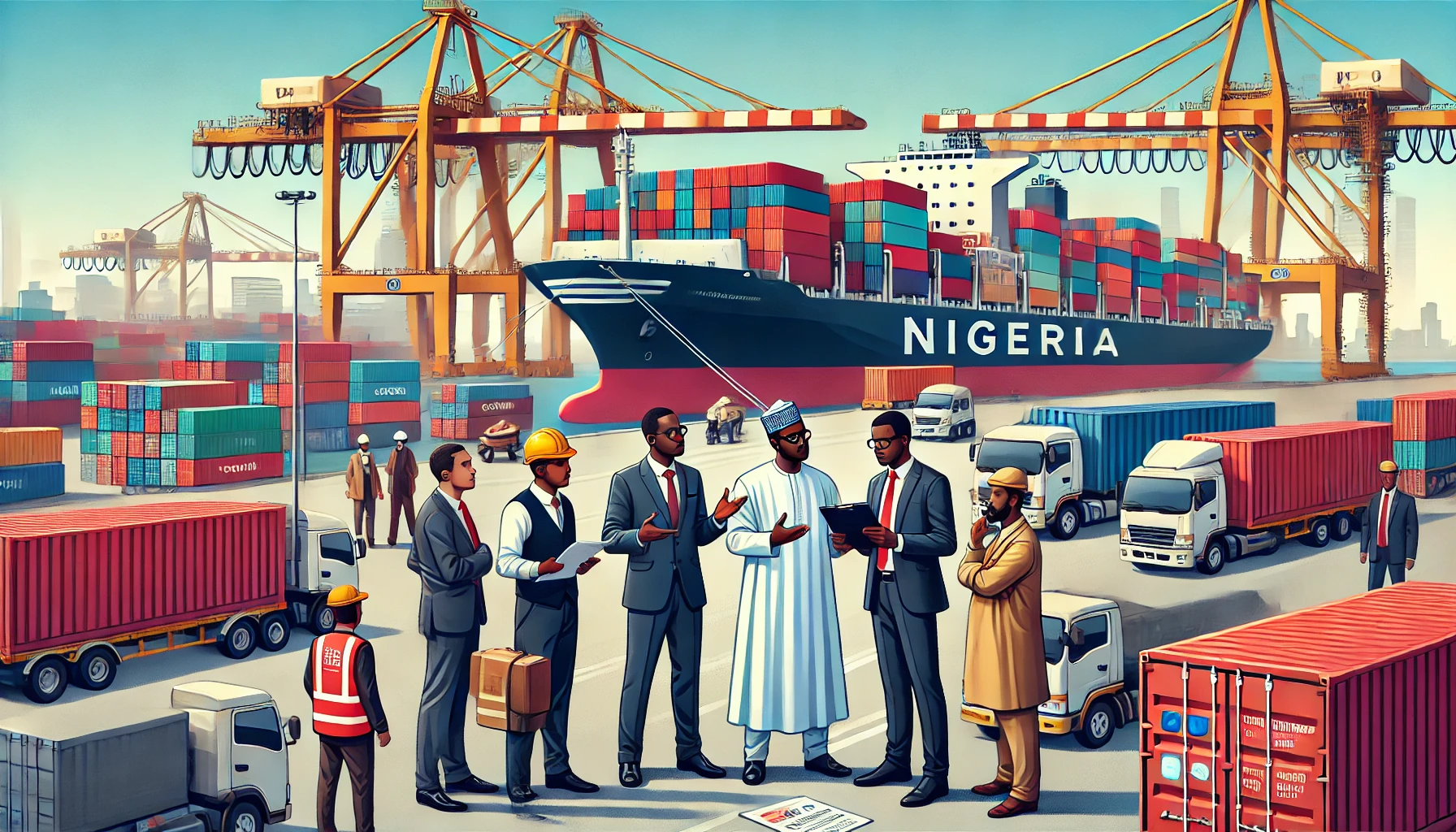
 The Nigerian Ports Authority (NPA) has implemented a 15% increase in port tariffs across Nigerian ports, citing the need to modernize critical infrastructure and upgrade equipment. However, this decision has sparked concerns among industry stakeholders, as the tariff adjustment has led to a significant decline in cargo traffic, raising fears of trade diversion to competing ports in neighboring countries.
The NPA, in its defense, stated that the increment was necessary to ensure Nigerian ports remain competitive by improving efficiency, reducing bottlenecks, and aligning with international best practices. According to a senior NPA official, “The tariff revision is crucial to sustaining port operations and funding much-needed infrastructure rehabilitation. Without these upgrades, Nigerian ports risk becoming outdated and inefficient.”
Despite the justification, industry players, including freight forwarders, importers, and logistics operators, have expressed worries that the increase may drive businesses to alternative ports in countries such as Ghana, Togo, and Benin Republic, where lower port charges and streamlined processes offer cost advantages.
Mr. Lucky Amiwero, a maritime expert and President of the National Council of Managing Directors of Licensed Customs Agents (NCMDLCA), warned that the hike could have long-term consequences. “Nigerian ports are already struggling with congestion, bureaucratic delays, and high operational costs. The 15% tariff increase further erodes our competitiveness and could result in a shift of cargo volume to neighboring ports,” he stated.
Similarly, a major importer, who chose to remain anonymous, revealed that several businesses are now considering routing their shipments through alternative ports. “It is no longer just about tariffs; it is about the overall cost of doing business. If Nigerian ports become too expensive, we will have no choice but to explore more cost-effective options,” the importer noted.
The implications of declining cargo traffic could be severe, including potential revenue losses for government agencies, job cuts within the maritime sector, and reduced economic activities in port-dependent communities.
As the controversy surrounding the tariff increase intensifies, stakeholders are calling on the NPA to engage with industry representatives to explore possible mitigations, including improved efficiency measures and trade facilitation policies. There are also growing calls for the federal government to intervene by reviewing the economic impact of the tariff hike and finding a balance between port modernization and cost competitiveness.
The coming months will be crucial in determining whether the tariff adjustment will ultimately benefit or hinder Nigeria’s maritime trade ambitions.
Stay informed, Stay ahead with The Ameh News
Discover more from Ameh News
Subscribe to get the latest posts sent to your email.