 Key Highlights:
- Filling stations nationwide are set to adjust petrol pump prices upwards.
- Dangote Refinery halts fuel sales in naira, switching to dollar transactions.
- U.S. sanctions on Iran disrupt global oil supply, pushing crude prices higher.
- Fuel importation costs rise, with petrol prices projected to hit nearly N900 per litre.
Nigeria Braces for Higher Petrol Prices Amid Global and Local Market Shifts
Nigerians should brace for another round of fuel price hikes as a combination of global and domestic factors drive up the cost of petrol. Filling stations across the country are expected to adjust their pump prices in response to the latest market disruptions.
The surge follows Dangote Refinery’s decision to stop selling fuel in naira, aligning its sales with its dollar-denominated crude purchase obligations. Additionally, fresh U.S. sanctions on Iran have disrupted global oil supplies, further exacerbating price volatility.
Why Fuel Prices Are Rising
The international crude market has witnessed a sharp increase, with Brent crude climbing to $72.16 per barrel, up from $71.75 per barrel just a day earlier. Analysts attribute the rise to Washington’s latest sanctions on Iran, which have targeted major buyers of Iranian crude, including a Chinese refinery.
Iran, one of the world’s largest oil producers, pumps over three million barrels per day, and any disruption to its exports creates ripple effects across global markets.
According to Phil Flynn, senior analyst at Price Futures Group, “We were looking for some kind of catalyst to move, and that was the ticket that pushed us back towards the high.”
Dangote Refinery’s Naira Exit Shakes Local Market
Compounding the situation is Dangote Refinery’s decision to suspend fuel sales in naira, citing a misalignment between its revenue inflows and crude oil procurement costs.
The refinery, which had previously announced three price reductions from January to March, explained in a statement:
“To date, our sales of petroleum products in naira have exceeded the value of naira-denominated crude we have received. As a result, we must temporarily adjust our sales currency to align with our crude procurement currency.”
This move effectively exposes Nigerian fuel prices to global market fluctuations, making local pump prices more susceptible to rising crude oil costs.
Depots and Fuel Marketers Adjust Prices Upwards
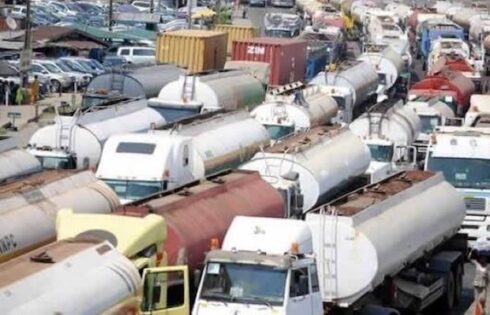
The effects of these changes are already being felt at major fuel depots across Nigeria. Petrol loading prices surged to N875 per litre on Thursday, up from N852 per litre earlier in the day, according to data from Business Day.
Key depots, including Matrix Warri, Zamson, Rainoil, Pinnacle Warri, and Sobaz, have all adjusted their prices upwards.

The developments mark a significant shift for Nigerian consumers, who had benefited from Dangote Refinery’s price cuts earlier in the year. With J.P. Morgan forecasting Brent crude prices to remain in the mid-to-high $70s per barrel, the cost of fuel importation is expected to rise further.
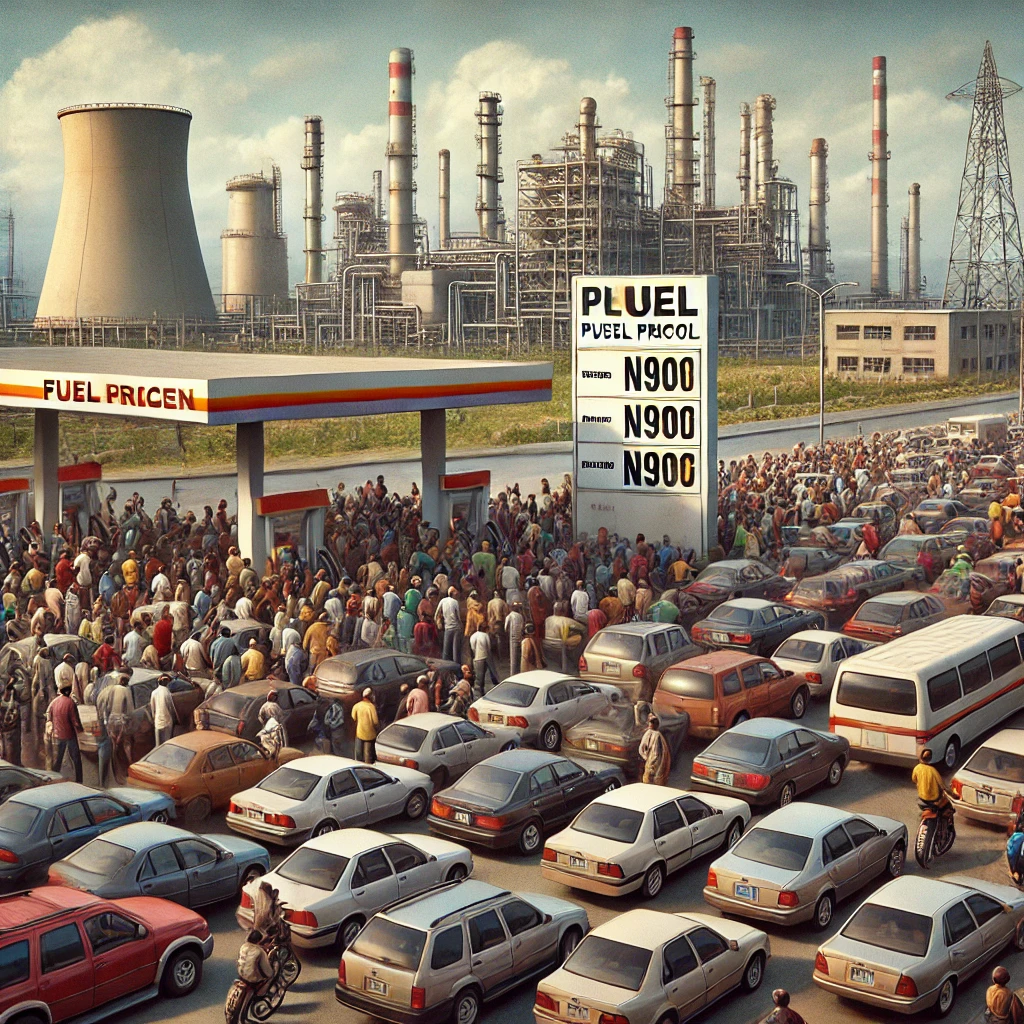
With Dangote Refinery now prioritizing dollar transactions, petrol prices could return to over N900 per litre in the coming weeks.
Oil Marketers Deny Opposing NNPC, Dangote Price Cuts
Despite concerns about rising fuel costs, reports suggest that oil marketers have not directly opposed Dangote Refinery and NNPC’s recent price reductions. However, industry sources note that some marketers have incurred losses due to fluctuating pump prices, leading to supply chain disruptions.
As Nigerians brace for higher fuel costs, analysts warn that without strategic interventions in the downstream sector, the country could see persistent price volatility in the months ahead.
Stay informed, Stay ahead with The Ameh News
Discover more from Ameh News
Subscribe to get the latest posts sent to your email.