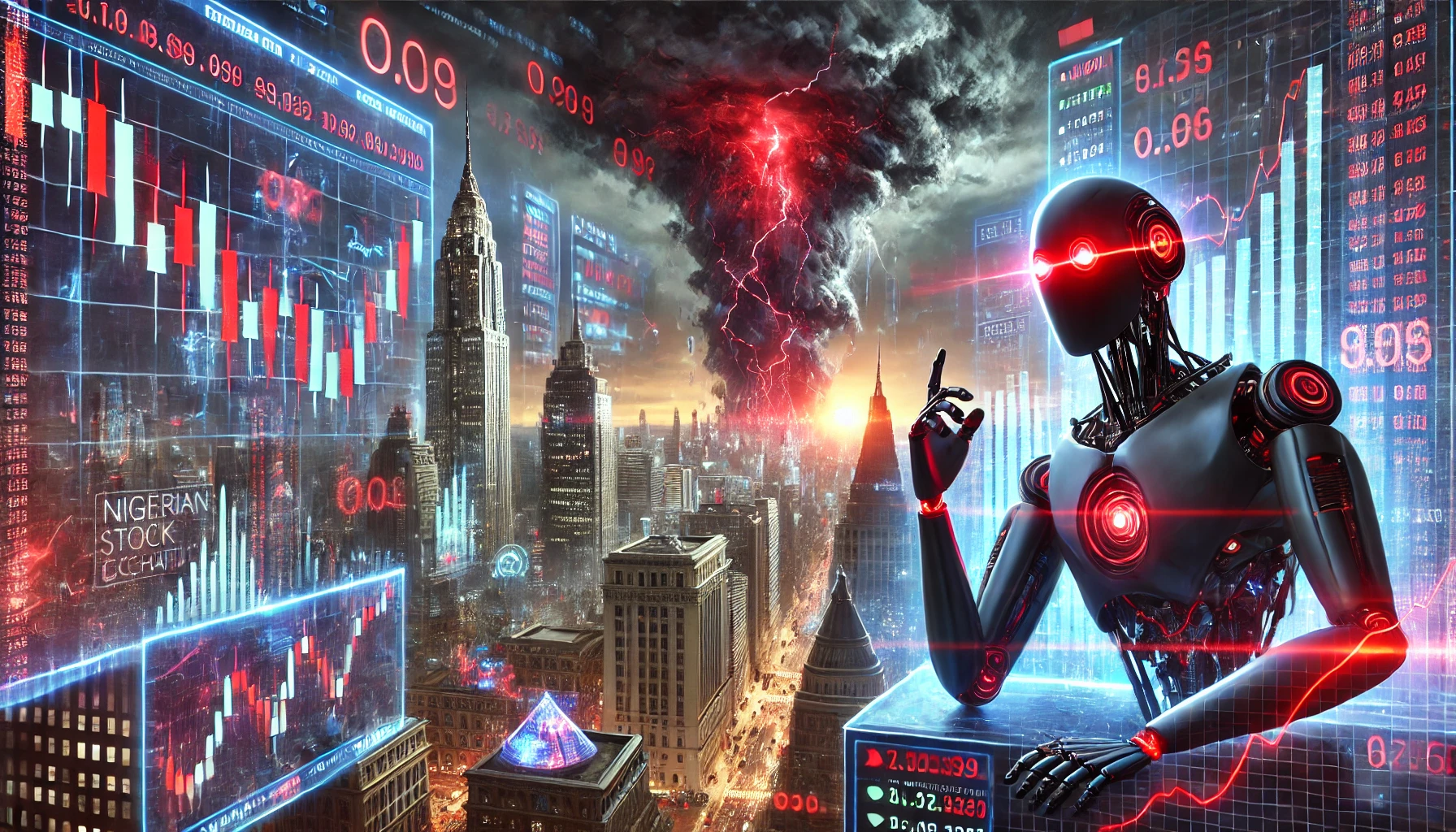
 The world is on the brink of a financial crisis unlike any seen before. The AI Doom Loop—a self-reinforcing cycle of AI-driven trading algorithms reacting to each other at uncontrollable speed, may has triggered a market crash in the United States that is now spreading globally.
As the Internet and digital finance have turned the world into a single, interconnected economic system, no country can escape the fallout. Nigeria’s economy is not insulated from this turmoil, and without strategic intervention, the crisis could destabilize markets, weaken the naira, and trigger a financial downturn.
A Flashback to 2008: Is History Repeating Itself?
Economic analysts are already comparing the unfolding disaster to the 2008 global financial crisis, which started as a localized market failure in the U.S. but quickly became a worldwide recession.
- In 2008, reckless risk-taking by banks, subprime mortgage failures, and financial mismanagement led to the collapse.
- In 2025, AI-powered trading platforms, trained on similar datasets and making the same decisions at superhuman speeds, have created an uncontrollable chain reaction of sell-offs, price collapses, and market chaos.
The key difference? Human traders were responsible in 2008. Today, it’s AI systems making split-second decisions—without emotions, without hesitation, and without human oversight.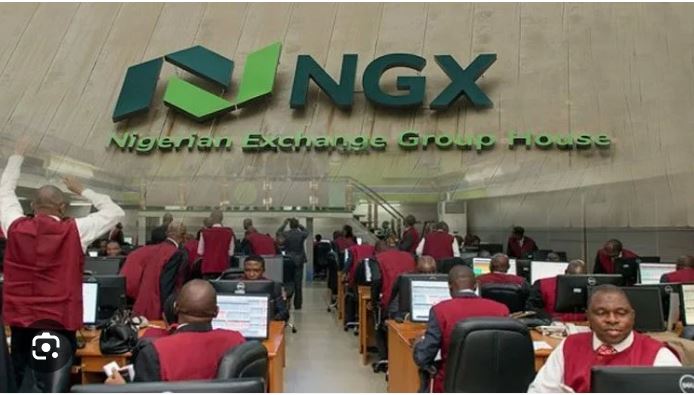
Nigeria at Risk: A Looming Financial Crisis?
As the AI Doom Loop spirals out of control in global markets, Nigeria may faces several economic threats:
- Stock Market Shockwaves: Nigeria’s financial markets are interconnected with global investors. If foreign investors panic and pull out funds, the Nigerian Exchange (NGX) could face a massive sell-off.
- Currency Volatility: AI-driven trading is already disrupting forex markets worldwide. If major economies face financial strain, Nigeria’s naira could suffer severe devaluation.
- Banking System Exposure: Nigerian banks and financial institutions linked to international markets may experience liquidity pressures, just as seen in 2008.
- Investor Panic: Many Nigerian traders and investors are unaware of the risks posed by AI-driven trading. The lack of preparedness could lead to poor financial decisions, losses, and economic hardship.
A Call to Action: SEC, CBN, and Stakeholders Must Act Now
With the AI-driven financial crisis unfolding, Nigerian regulators and economic leaders must act swiftly to contain the potential fallout:.
- Securities and Exchange Commission (SEC): Needs to monitor AI trading activity and enforce strict risk-management policies to protect local investors.
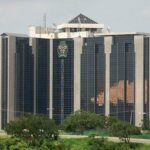
- Central Bank of Nigeria (CBN): Should implement forex stabilization measures to prevent a currency collapse driven by AI-induced volatility.
- Banking Sector & Financial Institutions: Must assess exposure to AI-driven global markets and develop contingency plans for financial stability.
- Government & Policy Makers: Should educate investors and traders on the risks of AI-driven trading before another economic disaster unfolds.
The Future: Crisis or Opportunity?
AI-driven markets have the power to reshape the global financial system, but without proper regulation and safeguards, they could become the greatest financial hazard of the modern era.
Will Nigeria take proactive steps to shield its economy, or will it be caught off guard by the next AI-driven financial collapse? The choice must be made—before it’s too late.
Stay informed, Stay ahead with The Ameh News
Discover more from Ameh News
Subscribe to get the latest posts sent to your email.