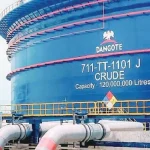
A Promise to End Nigeria’s Aviation Fuel Crisis

When the Dangote Refinery launched operations, it was widely expected to end Nigeria’s dependency on imported refined petroleum products, particularly Jet A1 fuel, which has been a major cost burden for the country’s aviation sector. Nigerian airlines had long suffered from price volatility, supply disruptions, and the impact of fluctuating exchange rates due to their reliance on imported aviation fuel.
In early 2024, the refinery assured stakeholders that it would prioritize domestic supply, a move projected to stabilize prices and enhance airline operations. Industry players anticipated a drop in fuel costs, which would, in turn, lead to lower airfares and improved profitability for airlines.
However, recent reports have cast doubt on these expectations. According to industry sources, as of March 26, 2025, Jet A1 prices in Nigeria range from ₦1,100 to ₦1,250 per liter, depending on the airport and prevailing exchange rates. Despite the refinery’s massive production capacity, local prices remain high, raising concerns about whether Nigerian airlines are truly benefiting from the refinery’s operations.
Reality Check: U.S. Imports Over 2 Million Barrels of Dangote Jet A1
In a striking contrast to the struggles of Nigerian airlines, over 2 million barrels of Jet A1 fuel from the Dangote Refinery were exported to the United States in the past week, according to market reports. This revelation has fueled industry concerns that the refinery is prioritizing foreign buyers over domestic supply.
Nigerian airlines, already battling high operational costs, expected Dangote’s intervention to drive down prices. Instead, they continue to pay premium rates for aviation fuel, while the U.S. enjoys steady supplies from Nigeria’s biggest refining project.
Why Is Dangote Refinery Exporting While Local Airlines Struggle?
The refinery’s decision to export large volumes of Jet A1 to the U.S. instead of saturating the local market is influenced by two major economic factors:
1. Foreign Exchange Advantage – Selling Jet A1 to the U.S. market guarantees dollar earnings, which are more valuable to the refinery compared to selling in naira to local airlines that struggle with forex liquidity.
2. Market Payment Structure – Unlike Nigerian airlines, which often face liquidity challenges and delayed payments, U.S. buyers operate in a more structured, creditworthy market where bulk purchases are made with prompt payments.

While these economic realities may be justifiable from a business standpoint, the impact on Nigeria’s aviation industry is concerning. Many industry leaders argue that Dangote Refinery, as a national asset, should have a supply structure that prioritizes the local market before engaging in large-scale exports.
Stakeholder Reactions and Calls for Policy Intervention
Nigerian airline operators have voiced their concerns, warning that the continued high cost of Jet A1 could force more airlines into financial distress. Without affordable aviation fuel, operational costs will remain high, leading to expensive ticket prices and potential route cutbacks.
Government agencies, including the Ministry of Aviation, the Nigerian Civil Aviation Authority (NCAA), and the Ministry of Petroleum Resources, are now being urged to intervene. Some aviation experts have proposed policies such as:
Mandating a domestic supply quota before allowing exports.
Offering tax incentives for refineries that prioritize local sales.
Implementing forex subsidies for airlines purchasing Jet A1 locally.
The Big Question: Will Nigeria’s Airlines Ever Reap the Benefits of Local Refining?
As the debate intensifies, one question remains: Is Dangote Refinery truly committed to solving Nigeria’s aviation fuel crisis, or will global market dynamics continue to dictate its supply strategy?
If corrective measures are not taken, Nigerian airlines may remain trapped in a cycle of high fuel costs, rising ticket prices, and financial strain—even as the refinery fuels the aviation industry of foreign nations.
Stay informed, Stay ahead with The Ameh News
Discover more from Ameh News
Subscribe to get the latest posts sent to your email.