 For decades, economies around the world have faced a crucial dilemma: Should they focus on manufacturing or services as their primary driver of growth? While some nations thrived by betting on one dominant sector, history has shown that a balanced and diversified approach is the key to long-term economic sustainability.
Lessons from Past Economic Models
In the early stages of industrialization, manufacturing was the backbone of economic success. The United States, Germany, and later China built their economic empires by focusing on industrial production, exporting goods worldwide. However, as these economies evolved, services began to take center stage, with financial services, technology, and healthcare driving new waves of prosperity.
In contrast, countries that remained overly reliant on one sector struggled when global conditions shifted. Oil-dependent economies like Venezuela faced severe downturns when oil prices collapsed. Similarly, countries relying solely on tourism, such as the Maldives, were severely affected by the COVID-19 pandemic, highlighting the risks of economic monoculture.
The Need for a Diversified Approach
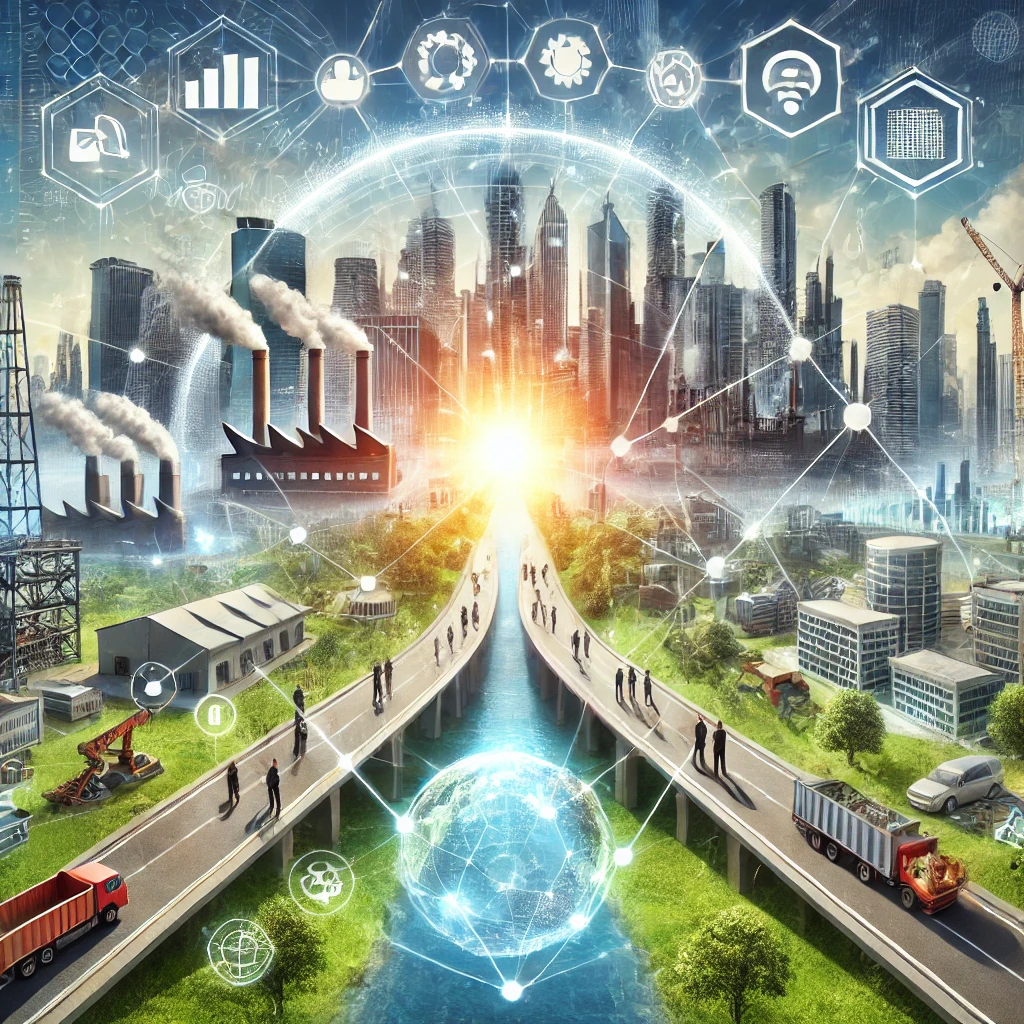
The lesson from history is clear: a sustainable economy is a diversified economy. Rather than choosing between manufacturing and services, nations should integrate both sectors, supported by strong policies, innovation, and skilled labor.
- Manufacturing & Services Synergy: Advanced economies today combine manufacturing expertise with service-driven innovation. For example, Germany excels in automobile manufacturing while also leading in engineering consultancy and digital services. Similarly, China has shifted from being a purely manufacturing hub to a leader in e-commerce and AI-driven services.
- Government Support & Policies: A balanced economy thrives on strong governance, investment-friendly policies, and incentives for both sectors. Countries like Singapore and South Korea have demonstrated how strategic policymaking can create an ecosystem where manufacturing and services complement each other.
- Innovation & Skilled Labor: The future belongs to nations that invest in education, digital transformation, and research & development. The United States’ Silicon Valley is a prime example of how technological innovation in software and hardware manufacturing can drive economic success.
- Resilience Against Global Shocks: A diversified economy can withstand external shocks better than a single-sector economy. For instance, during the 2008 financial crisis, countries with diverse economic structures recovered faster than those solely dependent on manufacturing or financial services.
Building a Future-Proof Economy
As global markets evolve, economies must adopt a mix of manufacturing and services to ensure stability, job creation, and sustained growth. The future belongs to nations that embrace economic diversity, leverage innovation, and build a skilled workforce to navigate the challenges ahead.
A nation that places all its bets on a single sector risks stagnation; one that embraces diversity secures its place in a changing world.
Stay informed, Stay ahead with The Ameh News
Discover more from Ameh News
Subscribe to get the latest posts sent to your email.