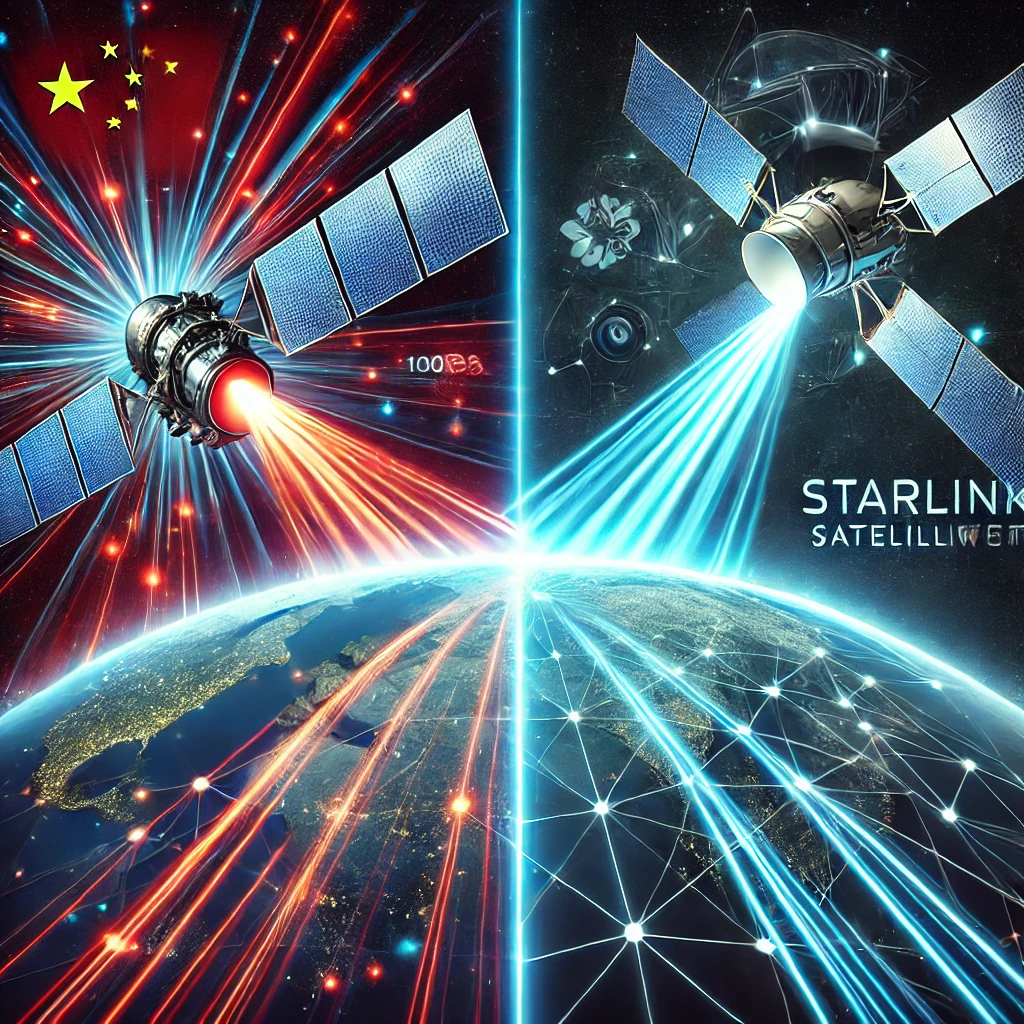
 The global race for satellite internet dominance is entering a new era—one where sheer speed is no longer the only benchmark for success. As China takes a dramatic lead with its 100 Gbps satellite-to-ground laser communication technology, the competition is shifting toward a broader battle for supremacy in reliability, accessibility, and real-world performance.
China’s recent breakthrough, which claims speeds ten times faster than current industry standards, signals a significant leap in space-based communication. By harnessing laser technology, Chinese scientists have unlocked ultra-high-speed data transfer capabilities that could revolutionize how we think about internet access—especially in remote and underserved areas.
The Chinese government has positioned this as a symbol of technological ascendancy, with wide-reaching implications for national security, digital infrastructure, and global influence. If commercialized effectively, the innovation could enable near-instantaneous data transmission between satellites and Earth, opening doors to futuristic applications like real-time remote surgery, autonomous drone fleets, and next-gen cloud computing in space.
Meanwhile, Starlink—operated by Elon Musk’s SpaceX—has taken a different path to dominance. While China focuses on groundbreaking speed, Starlink is zeroing in on delivering consistent, low-latency internet at scale. The company has significantly improved its system’s performance, cutting median latency by over 30% in the U.S. and working toward a stable 20-millisecond median latency globally. This makes a substantial difference in applications like video conferencing, gaming, and live streaming.
In addition to performance improvements, Starlink is expanding its reach through strategic partnerships, such as its collaboration with T-Mobile to provide text coverage in virtually every corner of the continental United States. The company is also developing Starshield, a military-grade version of its network, designed to support sensitive government operations with enhanced security and resilience.
Industry analysts say the battle for satellite internet supremacy is evolving. “It’s no longer a sprint for speed,” says a senior telecom strategist. “It’s about who can deliver dependable, secure, and far-reaching connectivity for a planet increasingly dependent on digital infrastructure.”
As the world watches two superpowers in tech—China and Starlink—chart different courses toward satellite internet leadership, one thing is clear: the future of global connectivity won’t be won by speed alone, but by whoever can master the balance of innovation, reliability, and accessibility.
Stay informed, Stay ahead with The Ameh News
Discover more from Ameh News
Subscribe to get the latest posts sent to your email.