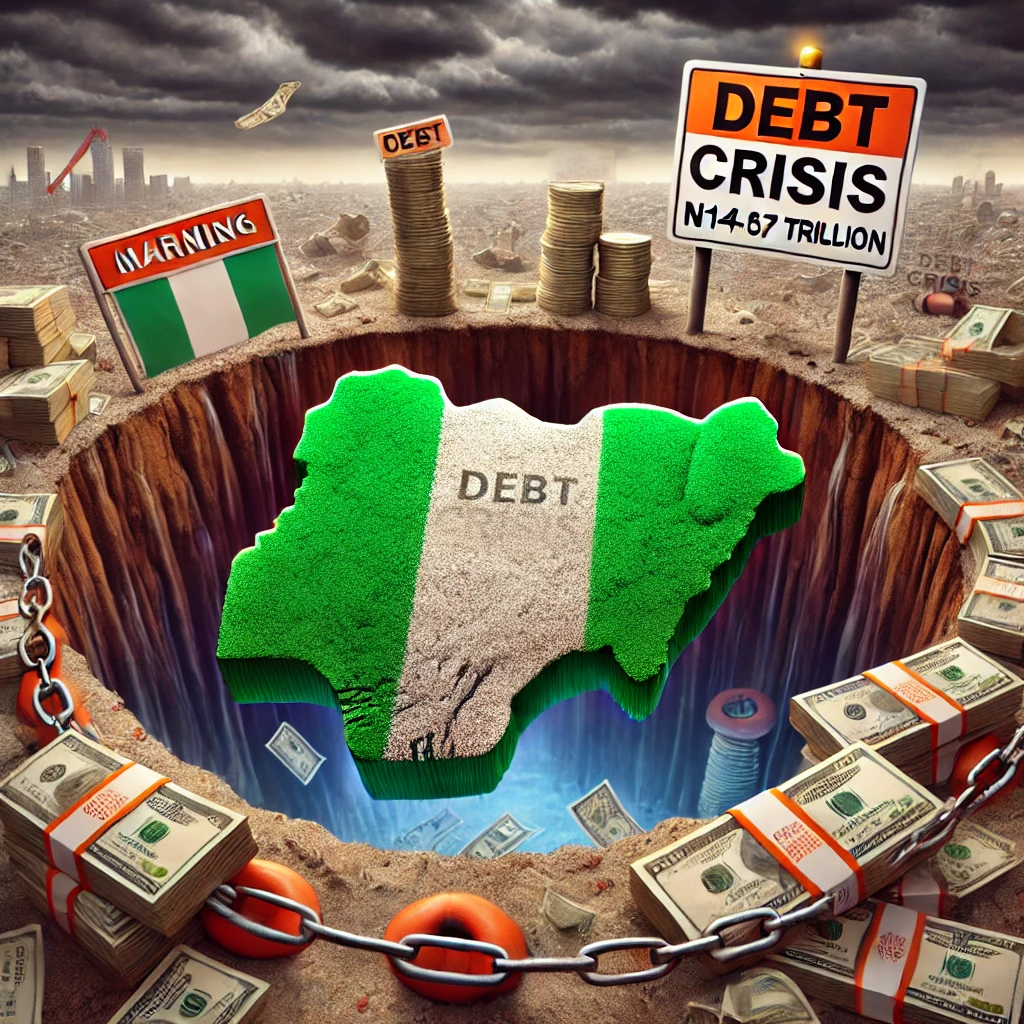
 As the curtains closed on 2024, Nigeria’s borrowing spree showed no signs of slowing, even amid growing concerns from economists and development experts. The latest figures released by the Debt Management Office (DMO) paint a stark picture: total public debt skyrocketed to N144.67 trillion ($94.23 billion) as of December 31, 2024. This marks a staggering 48.58% surge from the N97.34 trillion ($108.23 billion) recorded just a year earlier.
The irony could not be more glaring—while the naira’s depreciation lowered the dollar value of the debt, the actual debt in naira terms ballooned, reflecting an aggressive accumulation of both domestic and external obligations.
A Flashback to Repeated Warnings
Throughout 2023, international financial institutions, civil society groups, and even lawmakers repeatedly sounded the alarm over the nation’s increasing debt appetite. Yet, the government, citing critical infrastructure needs, subsidy removal palliatives, and FX market reforms, continued to secure loans from multilateral and bilateral lenders, including the World Bank, IMF, and China Exim Bank.
Back in 2021, the Senate had warned that Nigeria was “borrowing to service debts,” a statement that was brushed aside at the time. Fast-forward to today, that caution has become prophecy. The mounting debt burden has seen debt servicing costs gulping over 70% of federal revenue in some quarters—a ratio many experts describe as fiscally dangerous.
Reflections on the Path Forward
Looking back, the unchecked borrowing trend seems less about immediate economic rescue and more like postponing the inevitable fiscal reckoning. While infrastructure development remains essential, the absence of matching revenue reforms and aggressive diversification of the economy has left Nigeria vulnerable.
In 2024, citizens bore the brunt of this fiscal imbalance—rising taxes, dwindling social services, inflationary pressure, and foreign investor apathy due to macroeconomic instability. Many Nigerians now ask: at what cost is this borrowing?
As 2025 unfolds, reflection turns to action. Will the federal government shift course to prioritize debt sustainability, transparency, and domestic revenue mobilization? Or will it continue down this precarious path, mortgaging future generations for today’s fleeting gains?
History is watching—and so are the people.
Stay informed, Stay ahead with The Ameh News
Discover more from Ameh News
Subscribe to get the latest posts sent to your email.