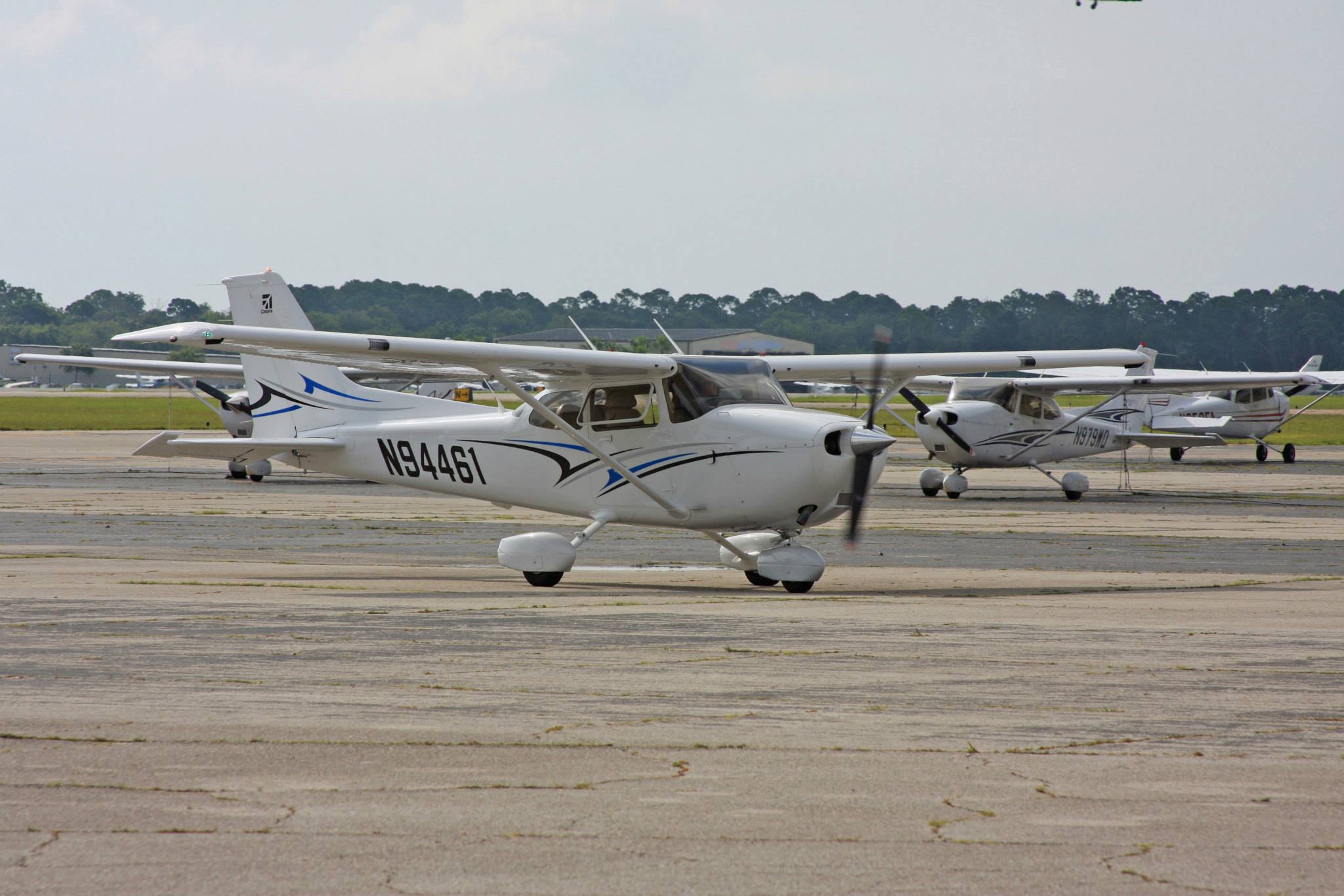
 Flight delays and cancellations have become a near-daily ordeal for many Nigerian air travelers, leading to a chorus of frustration at departure lounges and on social media. But behind the recurring disruptions often lies a troubling, underreported factor: aircraft shortages. While airlines regularly attribute delays and cancellations to safety considerations, discerning travelers are increasingly asking—is it really about safety, or is the airline simply short on aircraft?
This flashback and reflection take us through how the industry evolved into its current state and offers travelers practical ways to assess the real situation behind the scenes.
The Historical Backdrop: Safety or Shortage?
In the years following the deregulation of Nigeria’s aviation industry, a proliferation of airlines promised competitive pricing and better connectivity. But by the mid-2010s, signs of strain began to appear. High maintenance costs, a volatile naira-dollar exchange rate, and difficulties in sourcing spare parts contributed to many operators grounding portions of their fleet.
Several airlines cited “technical issues” or “safety concerns” for last-minute cancellations. However, insiders began revealing that such statements often masked a deeper problem: an inadequate number of serviceable aircraft to meet schedule commitments.
By 2022, as international fuel prices surged and foreign exchange access tightened, even established carriers struggled. The Nigerian Civil Aviation Authority (NCAA) issued frequent advisories reminding airlines of their responsibility to passengers. Yet for travelers, the pain at the gates persisted.
The Telltale Signs of Aircraft Shortage
So, how can an average traveler tell when an airline is experiencing aircraft shortages masked as safety delays?
- Repeated Cancellations at the Same Time Slot:
If a particular flight—say, the 7:00 a.m. Lagos to Abuja—gets cancelled or delayed multiple times in a week, it may indicate that the airline doesn’t have enough aircraft to cover that route consistently. - Long Wait for Rebookings:
When an airline cancels a flight but cannot offer a prompt alternative within the same day, that suggests a lack of backup aircraft—unlike more robust carriers with standby capacity. - Last-Minute Schedule Changes:
Frequent “operational adjustments” sent just hours before departure are a red flag that the airline is juggling limited assets across several routes. - Ground Staff Avoiding Direct Answers:
If front-desk staff offer vague responses like “technical issues” or “awaiting clearance” without any estimated recovery time, the issue may not be safety, but scarcity. - Consistent Complaints Across Routes and Days:
Social media chatter and consumer advocacy platforms like Nigerian Flight Delay Tracker often expose systemic delays. Widespread issues suggest broader fleet inadequacy.
The Role of Safety: Still Paramount, But Sometimes Misused
To be clear, no responsible airline should compromise on safety. Aircraft are complex machines that require rigorous inspections, and safety-related groundings are non-negotiable. However, industry experts say safety is sometimes invoked as a blanket explanation when aircraft availability is the real issue.
“Safety is used to cover operational lapses because it silences argument,” says a former airline operations director who spoke on condition of anonymity. “No one wants to challenge a safety claim. But most of these cancellations are because we don’t have enough planes flying.”
Looking Ahead: What Travelers Should Demand
As Nigerian aviation inches toward recovery, travelers must become more informed and vocal. Here are steps passengers can take:
- Check the Airline’s Active Fleet: Some aviation tracking websites and apps reveal how many aircraft a carrier has in active service.
- Research Before Booking: Choose airlines with larger fleets or codeshare partners that offer fallback options.
- Document and Report Issues: Regulatory pressure only increases when customers lodge formal complaints with the NCAA or consumer protection bodies.
- Support Transparency: Advocate for policies that require airlines to disclose the true reason behind delays and cancellations.
While safety is—and must remain—the top priority, air travelers deserve honesty and reliability. As this flashback and reflection show, a deeper understanding of aircraft availability can empower consumers and pressure airlines to improve. Until then, travelers are urged to stay informed, skeptical, and proactive in protecting their time and travel rights.
Stay informed, Stay ahead with The Ameh News
Discover more from Ameh News
Subscribe to get the latest posts sent to your email.