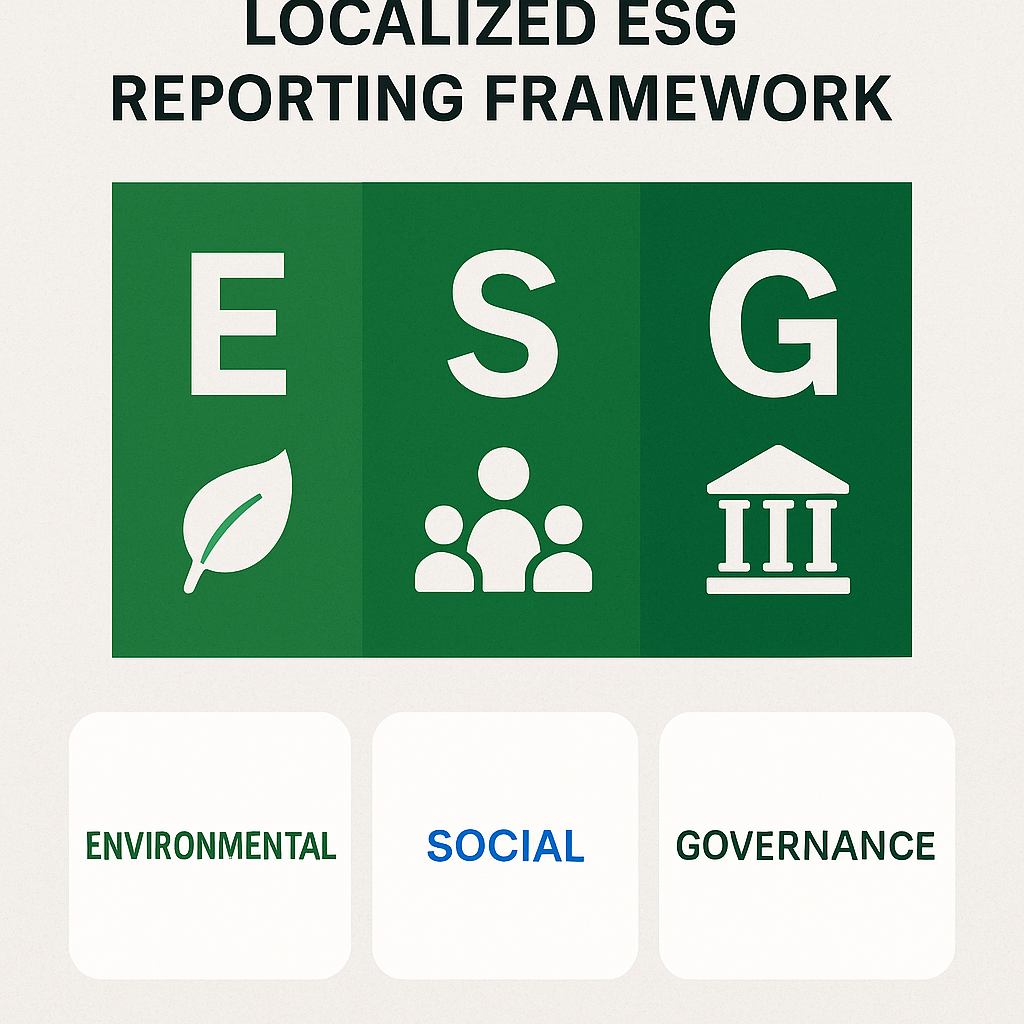
 Industry leaders and sustainability advocates are calling for the creation of a localized Environmental, Social, and Governance (ESG) reporting framework that reflects Nigeria’s unique market conditions. The goal is to simplify compliance, particularly for small and medium-sized enterprises (SMEs), while promoting widespread ESG adoption across all sectors.
The demand emerged during a recent high-level stakeholder dialogue on sustainable finance and responsible business practices held in Abuja. Participants noted that while ESG reporting has become a global norm, international standards often fail to capture the realities of operating in Nigeria’s socio-economic environment.
“ESG reporting in its current form is capital- and resource-intensive. Many SMEs simply don’t have the capacity to align with foreign standards,” said Dr. Nnenna Okoro, a leading sustainability consultant.
The stakeholders argue that a Nigeria-specific framework would reduce the reporting burden on local firms, improve clarity, and drive broader compliance—especially among companies that struggle with the complexities of global ESG disclosure requirements.
They are urging collaboration among regulatory bodies such as the Securities and Exchange Commission (SEC), Financial Reporting Council (FRC), and the Nigerian Exchange Group (NGX) to lead the development of the framework in partnership with industry groups and civil society.
“Without a localized framework, our businesses risk being locked out of global capital markets where ESG credentials are increasingly critical,” warned Fola Adebayo, a senior executive at a Lagos-based investment firm.
The proposed framework would be aligned with Nigeria’s development goals, including the Economic Recovery and Growth Plan (ERGP) and the UN Sustainable Development Goals (SDGs). It would also emphasize simplicity, standardized metrics, and sector-specific reporting models that reflect local realities.
Inclusion and accessibility were recurring themes throughout the discussions.
“We must ensure that agriculture, oil and gas, fintech, manufacturing, and even the informal economy have a voice in this framework,” said Halima Musa of the Nigerian Economic Summit Group (NESG).
The dialogue concluded with a resolution to form a multi-sectoral technical working group tasked with drafting the initial version of the framework. Stakeholders say this effort is a crucial step toward making ESG not just a compliance requirement, but a strategic tool for sustainable growth and investment attraction.
Stay informed, stay ahead with The Ameh News
Discover more from Ameh News
Subscribe to get the latest posts sent to your email.