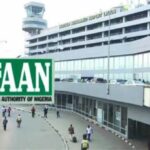
 In the heart of Delta State, Osubi Airport in Warri is fast shedding its modest reputation to become one of Nigeria’s most dynamic and promising aviation gateways. Once a quiet airstrip serving limited regional traffic, the airport has evolved into a rising star in the domestic aviation space—drawing in interest from no fewer than eight scheduled airline operators.
With its airfield lighting system currently undergoing an upgrade from Category Two to Category Three, Osubi Airport is steadily ticking off boxes towards becoming a full-fledged airport. Among its standout features is one of the country’s most advanced baggage scanning machines—underscoring its readiness to handle increased passenger traffic and enhance security standards.
Despite its impressive trajectory, there remains a critical technical hurdle: the current short length of the runway restricts operations by larger aircraft. However, plans are well underway to address this limitation. In what many view as a vote of confidence in the airport’s potential, Nigeria’s Minister of Aviation and Aerospace Development, Mr. Festus Keyamo, has expressed personal interest in facilitating the extension of the runway—an upgrade that could reposition Osubi as a strategic hub for Southern Nigeria.
Perhaps most remarkably, Osubi Airport operates without federal budget allocations. It is the only self-sustaining airport in Nigeria, running entirely on internally generated revenue. From a humble zero naira just four years ago, the airport raked in an impressive N1 billion and nearly doubled that figure last year to close in on N2 billion—a testament to sound financial management and operational discipline.
The human capital story is equally compelling. When the Federal Airports Authority of Nigeria (FAAN) resumed operations at the airport four years ago, it did so with just 22 staff members. Today, the airport supports around 150 third-party staff, all funded directly by the airport’s earnings—yet another sign of its economic viability.
Experts across the aviation industry have lauded the significant improvements in infrastructure, safety protocols, and operational procedures. But much of the credit, according to industry insiders, goes to the airport’s manager, Mr. Winston Egwuatu.
Under Egwuatu’s stewardship, Osubi Airport has become a model for innovation and efficiency. He attributes the growth to what he describes as “a working procedure established by the management,” backed by a rigorous maintenance schedule and adherence to the Aerodrome Manual. Egwuatu’s leadership hasn’t gone unnoticed—he was recently named the 2024 NIGAV Most Innovative Airport Manager of the Year, with the airport also clinching the Most Promising Airport Award.
As Osubi Airport inches closer to completing its runway extension and continues to attract airline interest, stakeholders are watching with keen interest. It may very well become a regional anchor for Nigeria’s evolving aviation landscape—powered not by federal funds, but by a relentless drive for excellence, innovation, and local pride.
Discover more from Ameh News
Subscribe to get the latest posts sent to your email.