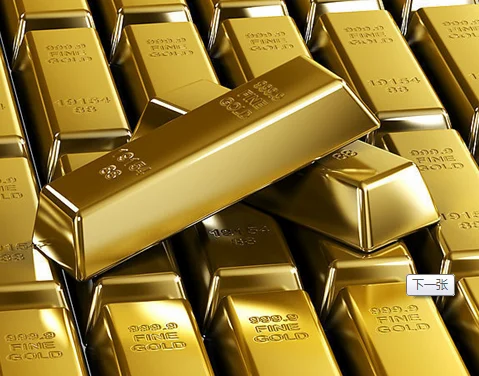
 Over the past decade, Nigeria has made modest progress in formalizing its gold mining sector, but it has yet to fully tap the strategic economic potential of one of the world’s most reliable assets — gold reserves.
While countries like Russia, China, and even smaller economies such as Kazakhstan have steadily built up their gold holdings to diversify reserves and hedge against currency fluctuations, Nigeria remains largely focused on oil, leaving a vital mineral resource underleveraged.
In 2020, the Federal Government launched the Presidential Artisanal Gold Mining Development Initiative (PAGMI), aimed at integrating artisanal miners into the formal economy and encouraging domestic gold refining. Despite this, there was no structured policy to retain a portion of annual gold production — particularly from industrial-scale mines — for national reserves.
Industry analysts argue that if Nigeria had, even modestly, targeted the accumulation of just 5% of its annual gold output over the years, the country would today possess a sizable buffer against economic shocks and currency volatility. Estimates suggest that such a strategy could have added hundreds of millions of dollars in physical gold to the nation’s reserves.
“The failure to build a national gold reserve represents a missed opportunity,” says a senior mining consultant. “Gold is a globally trusted store of value, and with our growing production capacity, setting aside a small fraction annually could significantly strengthen our economic fundamentals.”
Gold production in Nigeria has increased in recent years with industrial-scale mining operations emerging in Osun, Kebbi, and Zamfara States. Yet, much of this output is either exported or remains outside official channels. Calls for the Central Bank of Nigeria (CBN) to diversify its foreign reserves with local gold purchases have not translated into actionable policy.

Currently, Nigeria’s external reserves rely heavily on oil revenues and dollar inflows, both of which are vulnerable to global market shifts. With inflation rising and the naira under constant pressure, experts say gold could serve as a more stable financial anchor.
“This is about economic foresight,” another source noted. “Other countries are securing their futures with strategic gold holdings. Nigeria should have been doing the same all along.”
As the global economy braces for continued uncertainty, the pressure is mounting for policymakers to rethink the country’s reserve strategy. With infrastructure and industrial mining capabilities already developing, Nigeria now has a second chance to institutionalize a gold reserve policy.
Whether the country will seize this opportunity or continue to overlook gold’s potential remains to be seen. What’s clear is that history has already recorded a critical misstep — one that could have reshaped Nigeria’s financial resilience and reduced its dependency on oil.
Stay informed, stay ahead with The Ameh News
Discover more from Ameh News
Subscribe to get the latest posts sent to your email.