College eyes global aviation training hub status, foreign exchange generation, and improved staff retention as key priorities
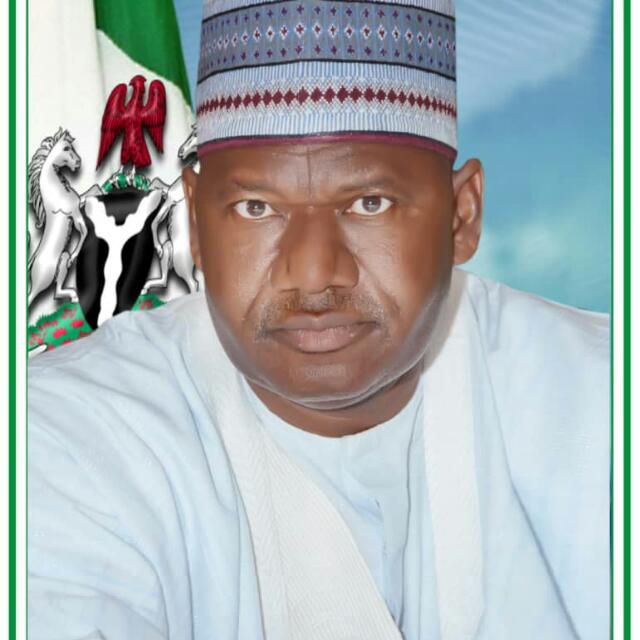 Dr. Danjuma Ismaila, The Rector of the Nigerian College of Aviation Technology (NCAT)
The Rector of the Nigerian College of Aviation Technology (NCAT), Dr. Danjuma Ismaila, has unveiled an ambitious reform agenda aimed at transforming the college into a self-sustaining global centre for aviation training. In an exclusive interview by LAAC during their annual training at NCAT 2025. Dr. Ismaila outlined efforts to improve infrastructure, boost enrolment, attract international students, and position NCAT as a major generator of foreign exchange.
Repositioning NCAT for Global Relevance
Dr. Ismaila revealed that his mandate is to reposition NCAT to become financially independent while expanding its influence beyond Nigeria to serve the wider African continent and other regions. “NCAT has the potential to serve all the training needs of the aviation industry,” he said, emphasizing that aviation is a global industry operating under the same ICAO standards.
He noted that training certified by the Nigerian Civil Aviation Authority (NCAA) holds the same weight as certifications from other top global aviation authorities like the UK’s Civil Aviation Authority (CAA). “We already run several courses in collaboration with ICAO, and once our flight simulator begins full operations, we expect participants not just from Nigeria but from across Asia and other continents,” he added.
Infrastructure Deficits Holding Back Growth
Despite a rise in enrolment, Dr. Ismaila said infrastructure limitations—especially in accommodation—are preventing NCAT from fully meeting the growing demand. “Some students had to be housed off-campus due to inadequate facilities,” he said, attributing this to the lack of aggressive infrastructure development by previous administrations.
“We are working closely with the Minister of Aviation to reposition the college. It’s not a technical challenge—it’s about building and upgrading facilities to meet current demands,” he added.
The college is currently preparing to host Egyptian air traffic controllers for training in June, following a similar program delivered for aviation professionals from French-speaking African countries. “Our fees are affordable compared to other training destinations, especially since many are billed in naira while the alternatives abroad charge in dollars,” he said.
Investing in Infrastructure and Simulator Capabilities
Dr. Ismaila emphasized the urgent need for investments in critical infrastructure, including modern classrooms, accommodation, and technical facilities. “Some of our buildings date back to the 1960s. We need to upgrade them to international standards to compete globally,” he said.
A major milestone is the upcoming activation of a B737 full flight simulator, the most widely used aircraft in Nigeria. The simulator, purchased over five years ago, has remained idle due to certification delays. “I have set up a task force to resolve all pending issues. NCAA has agreed to begin certification in the coming weeks, and we expect it to be operational in a month or two,” he revealed.
Dr. Ismaila said the simulator’s activation will significantly reduce dependence on training centres in Dubai, where both Nigerian and Asian pilots currently queue for similar courses. “This will bring in foreign exchange and position Nigeria as a viable alternative,” he noted.
Funding Gap and Government Support
While optimistic about the college’s future, Dr. Ismaila admitted that projecting NCAT’s growth for 2025 is difficult without concrete funding commitments. “Once we receive the necessary support to expand our capacity, we can confidently forecast enrolment and revenue targets,” he said.
He described the funding gap as substantial but said immediate attention is being paid to “low-hanging fruits” such as completing the simulator certification. He commended NCAA for its willingness to collaborate and urged more partnerships across aviation agencies.
Retaining Skilled Workforce Through Policy Reform
A critical challenge, Dr. Ismaila said, is the college’s struggle to retain skilled professionals due to low salaries. “NCAT currently offers the lowest pay among aviation agencies. Many of our trained staff leave for private airlines or better-paying jobs,” he lamented.
To curb this, the college is developing policies that will require bonded service for trained staff, ensuring certificates issued are used strictly for NCAT purposes. “We’re also engaging the Salaries and Wages Commission to seek special salary packages, similar to what the oil industry provides to the Petroleum Training Institute,” he said.
A Vision for the Future
Dr. Ismaila’s vision is clear: a modern, well-equipped aviation college that meets international standards, attracts global participants, and generates revenue through strategic investments. “We must invest in infrastructure, equipment, and people. Only then can we claim our place as Africa’s premier aviation training institution,” he concluded.
Follow The Ameh News for more aviation sector updates and exclusive interviews with industry leaders.
Discover more from Ameh News
Subscribe to get the latest posts sent to your email.