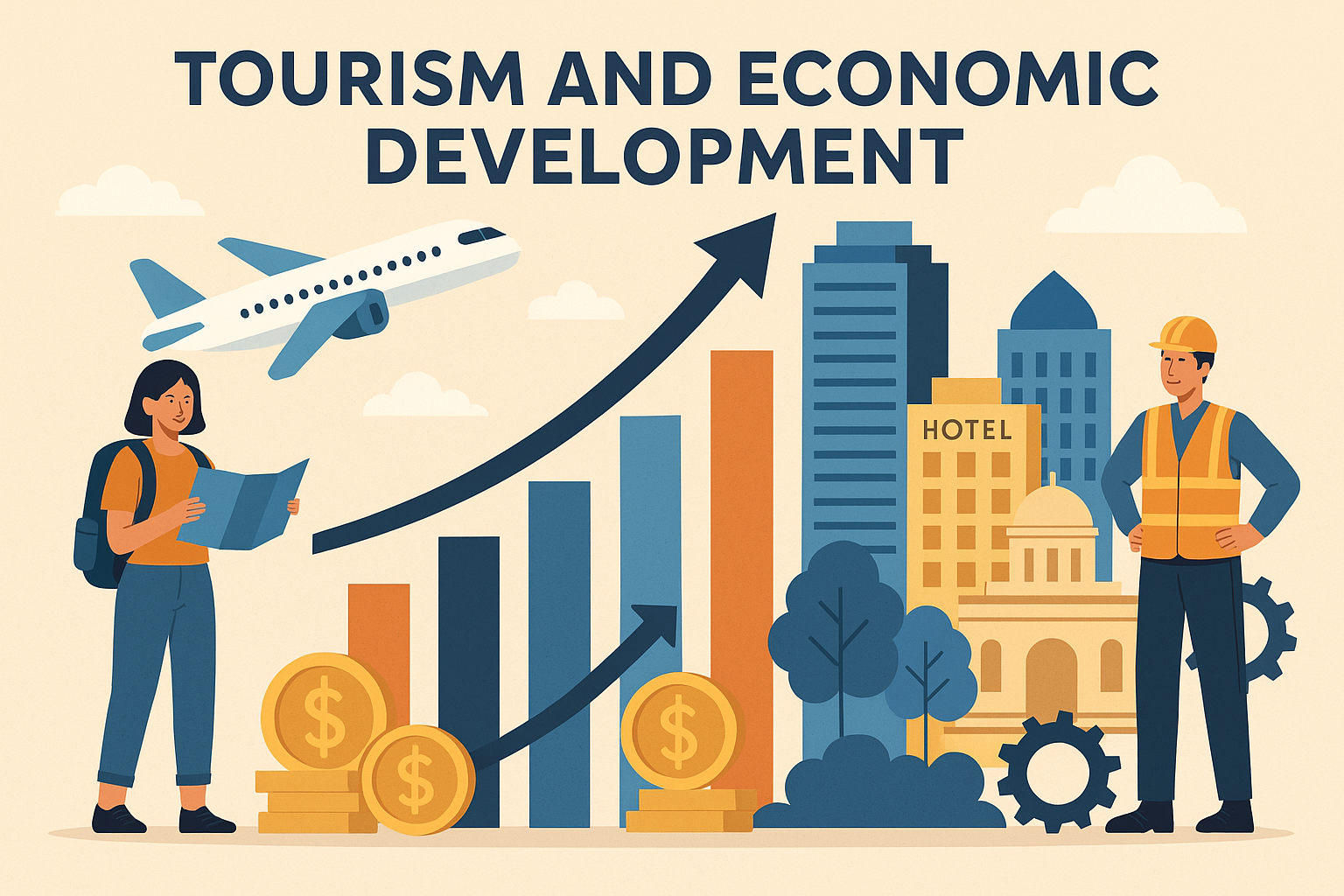
 Travel and tourism continue to play a transformative role in strengthening the economic ecosystems of states across the country. Beyond leisure and recreation, the sector serves as a powerful engine for job creation, infrastructure development, and small business empowerment.
Experts say tourism generates employment across various sectors including hospitality, transportation, food services, and cultural entertainment. From hotel receptionists and tour guides to taxi drivers and craft vendors, the ripple effect of tourist spending sustains thousands of livelihoods.
The bustling roadside stalls selling crafts to tourists or the cheerful voices of tour guides echoing through heritage sites may seem like small, isolated scenes. But zoom out, and a broader economic story begins to unfold, one where travel and tourism are quietly becoming powerful drivers of economic growth within Nigerian states.
Across the country, state economies are feeling the impact of a growing tourism sector that does much more than entertain. It creates jobs, stimulates small businesses, and spurs government investment in infrastructure. For many local communities, tourism is not just a seasonal opportunity, it’s becoming a vital part of everyday economic life.
“In states like Cross River, Lagos, and Plateau, tourism isn’t just a side activity; it’s a core contributor to the economy,” says a senior official at the Nigerian Tourism Development Corporation (NTDC). “It provides employment across sectors, from hotel staff to event planners and from taxi drivers to cultural performers.”

Government revenue is another area seeing positive returns. Taxes from hospitality businesses, entrance fees to tourist sites, and levies on tourism services are flowing into state coffers. These funds, according to analysts, can support public services such as education, health care, and social welfare when effectively managed.
But the effects don’t stop at economics. To accommodate the increasing number of visitors, many states are prioritizing infrastructure upgrades. Improved roads, better airports, reliable electricity, and enhanced internet connectivity, originally driven by tourism, are now benefiting residents and other sectors alike.
Then there’s the cultural dividend. Tourism has sparked a revival of interest in local heritage, traditional festivals, and historical landmarks. These efforts are not only preserving culture but attracting international attention and investment, positioning states as cultural destinations with economic potential.
As the federal government pushes for economic diversification, tourism is emerging as a sector with both resilience and reach. While oil and gas remain dominant, state governments are beginning to see that tourism can offer more than scenic views, it can offer a sustainable path to economic inclusion.
With the right policy support and long-term planning, the small ripples of tourist foot traffic can become waves of economic transformation.
Stay informed, stay ahead with The Ameh News
Discover more from Ameh News
Subscribe to get the latest posts sent to your email.