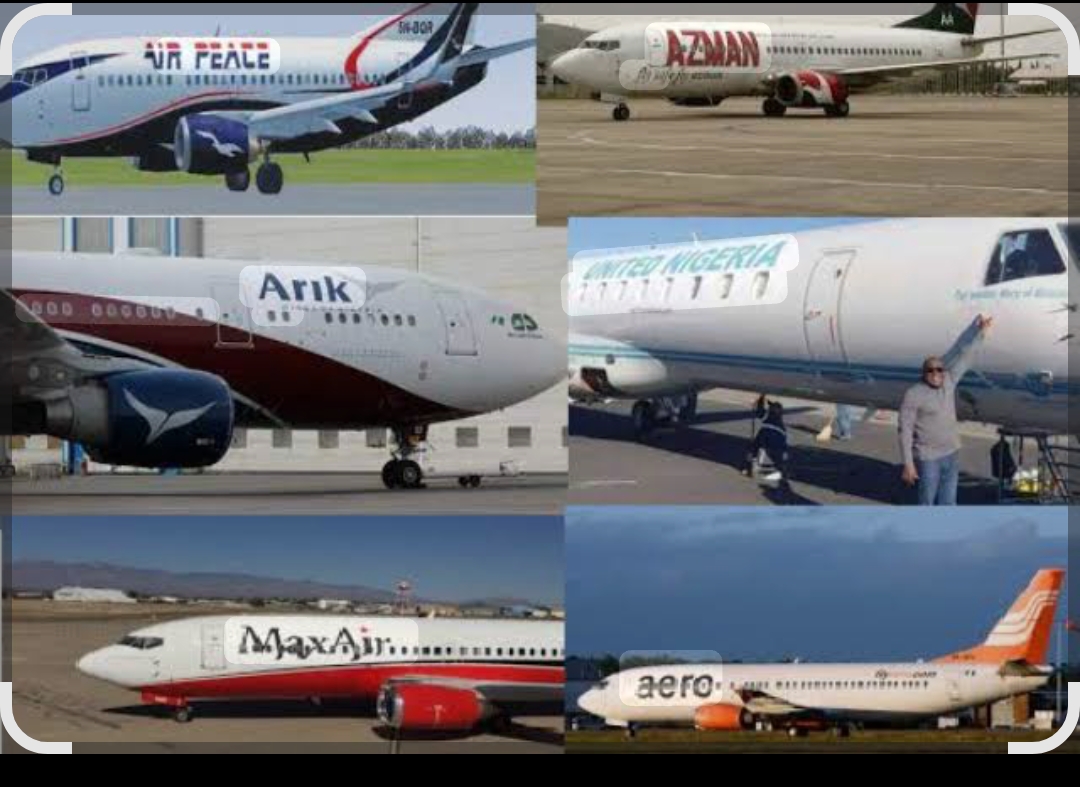
 In a bold move to reposition Nigeria’s aviation sector for sustained growth and international competitiveness, a strategic alliance is emerging among the aviation, insurance, and pension industries, with a sharp focus on boosting the viability of leased and financed aircraft in the country.
The collaboration, driven by a renewed leadership commitment within these key sectors, seeks to bridge long-standing financing and insurance gaps that have hindered the acquisition and operation of aircraft by Nigerian airlines. Industry experts say that if this alliance matures successfully, it could trigger a ripple effect across the entire aviation ecosystem, from maintenance operations to training schools, cargo services, and tourism.
Speaking recently at a joint sectoral forum, the Commissioner for Insurance, Mr. Olusegun Ayo Omosehin, emphasized the importance of reducing Nigeria’s dependency on foreign insurance for aircraft and rechanneling capacity to local underwriters. “We are engaging with aviation stakeholders to ensure that aircraft leased or financed for Nigerian carriers are covered by Nigerian insurance firms, backed by strong regulatory support and robust pension fund investment where applicable,” he stated.
This development is gaining traction following mounting pressure from local airlines grappling with the high cost of leasing aircraft and unfavorable insurance terms abroad. According to recent data, over 70% of Nigeria’s commercial aircraft fleet is leased, a model common in emerging markets, but fraught with risks when supported by weak local financial infrastructure.
Minister of Aviation and Aerospace Development, Mr. Festus Keyamo SAN, has also weighed in, describing the partnership as “a necessary leap to de-risk the aviation sector and attract long-term investment.” He added that with growing confidence in the regulatory framework, pension fund administrators are being encouraged to explore safe, high-yield investments in aircraft financing and related infrastructure.
The Director General of the National Pension Commission (PenCom), Mrs. Omolola Oloworaran, has reaffirmed the pivotal role of structured pension assets in accelerating Nigeria’s economic development. Speaking at the 2025 Leadership Retreat held in Lagos, Oloworaran stressed the need for strategic deployment of pension funds into productive sectors of the economy.
According to her, with Nigeria’s pension assets exceeding N23 trillion, the time has come to align these funds with national development goals through secure and high-impact investments. She noted that sectors like infrastructure, aviation, housing, and energy present viable avenues for long-term pension investments that deliver both returns and economic value.
With proper risk guarantees and structured frameworks, a fraction of this capital could transform the leasing landscape and improve aircraft availability for local airlines she added.
Mrs. Omowale Olatunde-Agbeja, Acting Managing Director of Boff & Co. Insurance Brokers Ltd., explained that the integration of pension and insurance funds into aviation is not just about fleet expansion. “It’s about improving aviation safety, enabling smoother operations, and ensuring that Nigerian airlines are competitive on the global stage. A strong insurance backbone gives lessors confidence; pension funds bring stability; and aviation becomes the net beneficiary,” she said.
Stakeholders believe the outcome of this multi-sectoral synergy could dramatically reduce the cost of capital for operators, encourage indigenous airline growth, and open up secondary markets for aircraft maintenance, ground handling services, and training academies.
“If we can fix the financing and insurance value chains, we will automatically stimulate a stronger aviation ecosystem,” noted former Director-General of the Nigerian Civil Aviation Authority (NCAA). “This model has worked in other emerging markets. Now it’s our turn.”
The new collaboration comes at a critical time, as Nigeria seeks to position itself as a regional aviation hub in West Africa. With the African Continental Free Trade Area (AfCFTA) expanding intra-African travel and trade, a robust, domestically financed aviation sector could become a cornerstone of Nigeria’s broader economic resurgence.
As discussions advance, all eyes are on how the synergy between aviation, insurance, and pension stakeholders will be translated into policy, investment vehicles, and sustainable frameworks. For now, optimism is in the air , and so too may be a new fleet of Nigerian-registered aircraft, backed by homegrown financial strength.
Stay informed, stay ahead with The Ameh News
Discover more from Ameh News
Subscribe to get the latest posts sent to your email.