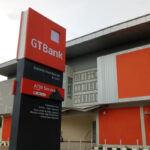
 In a landmark ruling, the Lagos Division of the Court of Appeal has reversed a 2013 judgment by the Federal High Court, declaring the foreclosure of a ₦30 billion mansion belonging to Alhaji Agboola Abiola, son of the late Bashorun M.K.O. Abiola, as unlawful.
According to the report, the appellate court held that the earlier decision, which favoured Guaranty Trust Bank Plc (GTBank) in its foreclosure of the Ikoyi property tied to RCN Networks Ltd, was a miscarriage of justice. The judgment restores possession of the 44-room estate to Abiola and sets a significant legal precedent on the limits of bank foreclosure powers in Nigeria.
Origins of the Dispute
The report further disclosed that the dispute traces back over a decade, when GTBank initiated proceedings against RCN Networks Ltd—owned by Alhaji Abiola—over alleged non-performance on credit obligations. In 2013, the Federal High Court granted GTBank the right to foreclose on the prime Ikoyi mansion, a move that sparked criticism from legal and civil rights observers.
However, the recent appellate decision ruled that the foreclosure process lacked due process, failed to meet statutory requirements, and denied RCN Networks a fair hearing.
“Unlawful Foreclosure,” Says Court
Delivering the judgment, the Court of Appeal described the bank’s actions as “unlawful foreclosure,” faulting the Federal High Court for not scrutinizing the process thoroughly. The ruling emphasized that foreclosure proceedings must be executed with strict adherence to legal procedures and borrower rights.
Legal and Public Reactions
Legal practitioners welcomed the verdict, describing it as a crucial reminder to financial institutions about the importance of following due process.
“This judgment underscores the judiciary’s role as a final check against corporate overreach,” said Ayo Olayemi, a Lagos-based commercial lawyer. “It brings clarity to foreclosure laws and offers hope to other individuals facing similar experiences.”
The case has also drawn public interest due to the high-profile identity of the claimant. Alhaji Agboola Abiola is the son of Bashorun M.K.O. Abiola, the acclaimed winner of Nigeria’s annulled 1993 presidential election and a symbol of the country’s pro-democracy struggle.
Symbol of Justice and Legacy
Analysts say the ruling goes beyond property rights, touching on legacy, justice, and public perception. Political analyst Fatima Oladimeji noted, “For many Nigerians, this is more than a court case—it’s about restoring dignity to a family name long associated with sacrifice and national service.”
The decision is also expected to influence how Nigerian banks and lending institutions approach asset recovery going forward.
Industry Implications
According to a financial law expert, the judgment sets a new tone for bank-customer relations: “This verdict reinforces the legal protections available to borrowers. It sends a strong message that property seizures must comply with legal standards or risk reversal in higher courts.”
Looking Ahead
With this reversal, Alhaji Abiola reclaims not only his property but also a reputation that had come under strain during the protracted legal battle. The Court of Appeal’s decision marks a definitive turn in a decade-long dispute and may trigger a broader review of similar foreclosure actions across the banking sector.
While GTBank has yet to issue an official response, legal observers suggest the bank may appeal to the Supreme Court.
For now, the ruling represents a significant victory for Abiola and a resounding affirmation of judicial oversight in property rights and financial disputes in Nigeria, the report concluded.
Stay informed, Stay ahead with The Ameh News
Discover more from Ameh News
Subscribe to get the latest posts sent to your email.