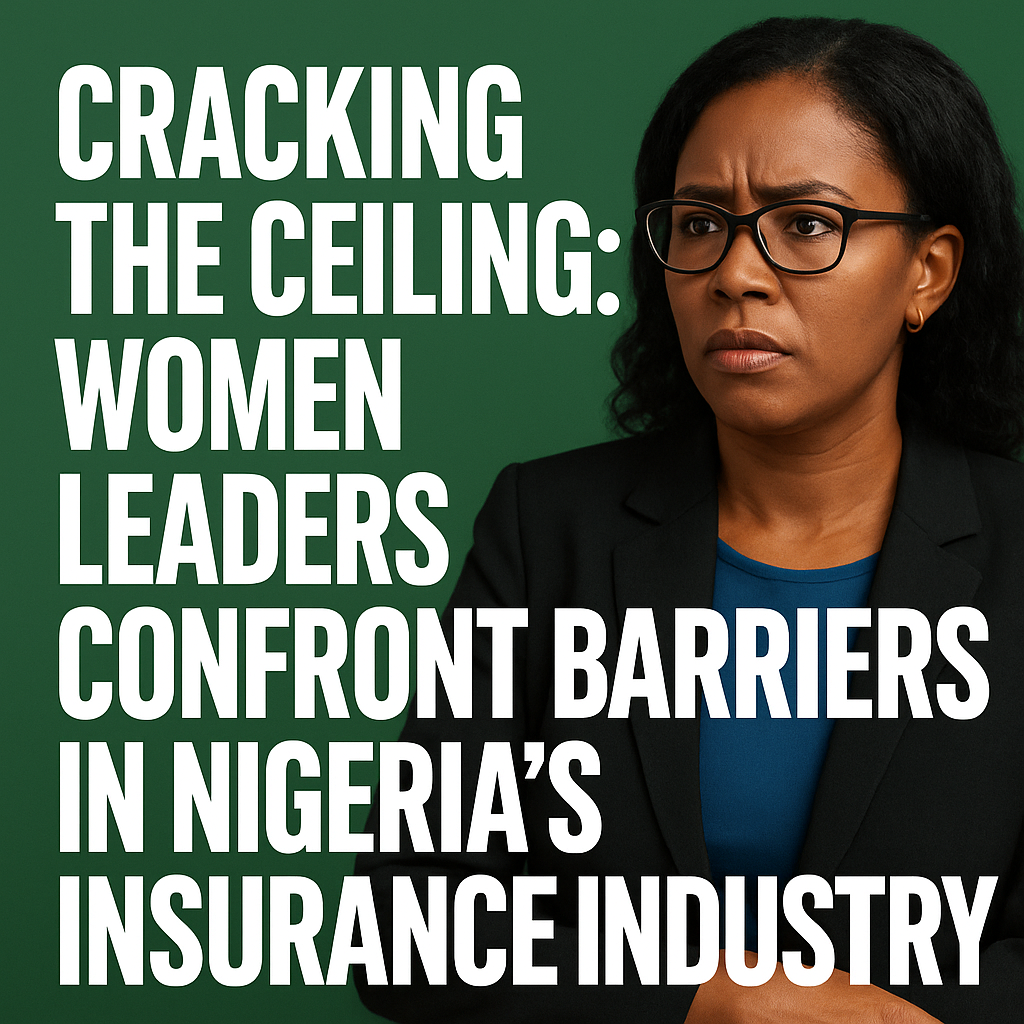
 Despite notable progress in Nigeria’s insurance industry, women seeking leadership roles continue to face deep-rooted challenges that hinder full participation in shaping the sector’s future. While some have risen to prominence, many remain underrepresented in executive positions due to institutional, cultural, and systemic barriers.
Persistent Gender Gap in Leadership
Although more women are entering the insurance workforce, a significant gender imbalance remains at the top. Gender stereotypes, unequal access to leadership training, and limited mentorship opportunities are among the key factors holding women back.
Industry professionals say that a “male-dominated corporate culture” still prevails in many insurance firms, where informal networks and long-standing norms often determine who gets promoted. “You need more than qualifications to rise in this space, you need to be inside the circle of influence,” said a mid-level female manager at a Lagos-based insurance firm.
Additionally, women often struggle to balance professional ambitions with societal expectations around family and caregiving. Career breaks for maternity leave or childcare duties frequently interrupt career progression, making it harder for women to climb the corporate ladder.
Policy Gaps and Missed Opportunities
Unlike other sectors such as banking and telecoms, where gender inclusion policies are becoming more visible, the insurance sector has lagged behind. While regulators like the National Insurance Commission (NAICOM) uphold industry professionalism, there are few binding rules that promote gender equity in hiring, promotion, or board appointments.
“There are no clear diversity mandates or benchmarks to drive inclusion,” said a policy analyst familiar with regulatory trends. “Firms have yet to institutionalize policies that promote equal access to executive roles.”
The Case for Reform
Experts are calling for targeted interventions to correct the imbalance. These include the introduction of gender diversity quotas, structured leadership training for women, and industry-wide mentorship programmes. Regulatory bodies could play a more active role by mandating public disclosure of gender representation data and linking compliance to licensing or incentives.
Companies are also being urged to adopt more flexible work policies, such as hybrid work models, extended parental leave, and re-entry programmes, to help women manage the dual demands of career and family.
“Workplace equity is not just a social issue, it’s critical for business sustainability,” said Yetunde Ilori, Director General of the Nigerian Insurers Association. “The industry can’t afford to exclude 50 percent of its talent pool.”
Signs of Progress and a Call to Action
Despite the challenges, a new wave of female leaders is emerging. From underwriting to risk management, women are taking on more visible and strategic roles. Their contributions are reshaping the industry and setting the stage for greater inclusivity.
But for meaningful change to occur, the sector must move beyond rhetoric to action. This means creating a pipeline of female leaders through deliberate policies, mentorship, and accountability.
As Nigeria’s insurance industry adapts to digital transformation and broader economic reforms, empowering women leaders is not just a matter of equality—it’s a catalyst for innovation, resilience, and growth.
For more features on leadership and equity in Nigeria’s economy, follow The Ameh Newspaper.
Discover more from Ameh News
Subscribe to get the latest posts sent to your email.