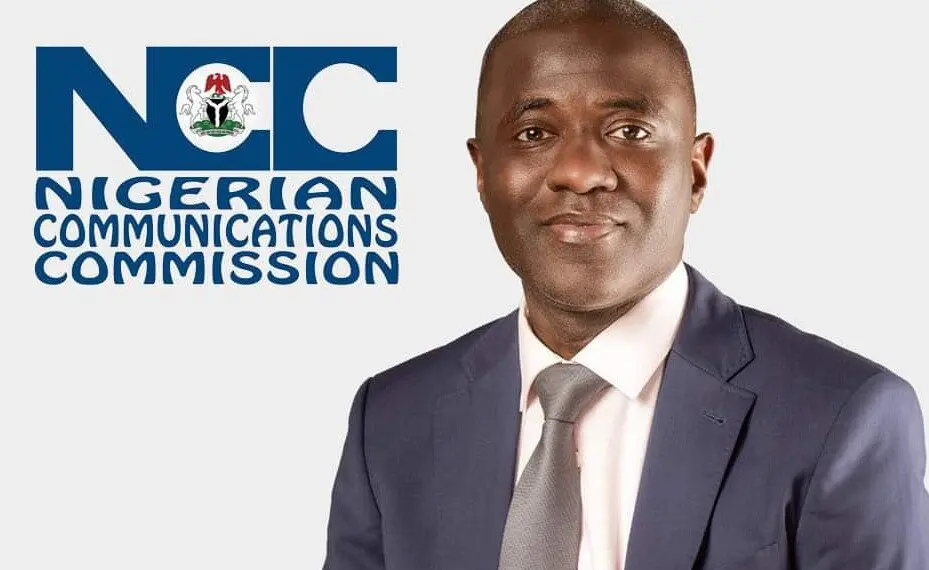
 The Nigerian Communications Commission (NCC) on Wednesday, June 26, 2025, presented the Regulatory Impact Assessment (RIA) Report on its 2024 Subsidiary Legislations at a high-level stakeholder forum in Lagos. The presentation, led by the Commission’s Executive Vice Chairman and CEO, Dr. Aminu Maida, signaled a new era of participatory governance and data-driven regulation in Nigeria’s fast-evolving telecommunications sector.
In his welcome address, Dr. Maida described the RIA initiative as a critical innovation in the Commission’s legislative process, designed to align new regulations with industry realities, consumer needs, and national policy objectives.
“This process is not just about developing rules. It’s about building a regulatory framework that is inclusive, adaptable, and responsive to the needs of all stakeholders—consumers, operators, and the government,” Dr. Maida said.
A Three-Pronged Assessment Framework
According to the EVC, the RIA examined the impact of eight subsidiary legislations using a three-pronged strategic framework:
- Consumer Protection and Satisfaction
At the forefront of the RIA is the NCC’s commitment to consumer welfare. Dr. Maida emphasized that regulations must enhance consumer experience and satisfaction, noting that consumers are central to the Commission’s mandate.“We place the consumer at the core of our regulatory strategy. Their protection and satisfaction are non-negotiable,” he said.
- Market Dynamics and Industry Participation
The second focus area evaluated the legislations’ effect on market players. Dr. Maida highlighted the need for laws that lower barriers to entry, support fair competition, and enable efficient resource utilization across the sector.“Our goal is to ensure that the regulatory environment supports innovation, investment, and sustainable growth,” he stated.
- Alignment with National Development Goals
The RIA also reviewed how the proposed laws support broader government policies. Dr. Maida noted that the Commission’s regulatory actions must align with national objectives such as digital inclusion, economic growth, and job creation.“We cannot operate in isolation. Our regulations must support and complement the government’s strategic development agenda,” he added.
Driving Inclusive Rule-Making
Dr. Maida said the RIA process was not merely a technical review, but a platform for inclusive stakeholder engagement. He urged participants—including industry experts, consumer advocacy groups, and policy influencers—to provide critical feedback on the legislations under review.
“Your insights are vital to shaping regulations that are practical, forward-looking, and effective. This is your opportunity to help us get it right,” he told the audience.
He added that the NCC remains committed to transparency, fairness, and innovation, and emphasized that the Commission will continue to foster open dialogue with all stakeholders.
Looking Ahead
As discussions on the report commenced, the atmosphere reflected growing optimism about the future of telecom regulation in Nigeria. Many stakeholders commended the Commission for institutionalizing the RIA process as part of its rule-making framework.
Dr. Maida concluded by reiterating the Commission’s resolve to ensure that regulations are not just robust, but also agile and aligned with global best practices.
“This forum marks a turning point. We are building a future-ready regulatory environment that puts people first and positions Nigeria as a leader in digital governance,” he said.
The 2025 Stakeholder Engagement Forum, centered on the RIA Report, sets the tone for deeper collaboration between the NCC and its stakeholders. As the Commission continues to fine-tune its legislative tools, all eyes will remain on how it translates these regulatory reforms into measurable outcomes for the Nigerian telecom ecosystem.
Stay informed, Stay ahead with The Ameh News
Discover more from Ameh News
Subscribe to get the latest posts sent to your email.