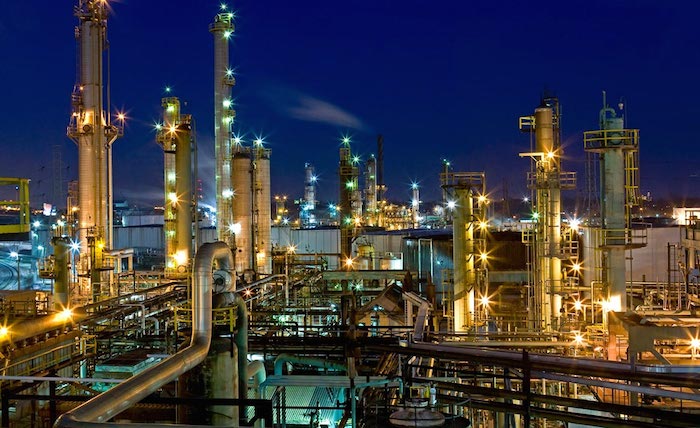
 In a sector long defined by underperformance and missed targets, Nigeria’s oil and gas industry is now showing signs of a long-awaited transformation. With billions of dollars in fresh investments, a sharp turnaround in local refining capacity, and growing regulatory muscle against environmental breaches, Africa’s largest oil producer is scripting a new narrative for its energy future.
At a media workshop held in Abuja on Wednesday, the Nigerian Upstream Petroleum Regulatory Commission (NUPRC) unveiled the latest figures that tell the story of a sector in motion. A staggering $8 billion has been invested by oil producers between 2022 and 2025 in drilling infrastructure alone—money that has delivered real results on the ground.
Chief Executive of the Commission, Engr. Gbenga Komolafe, announced that Nigeria’s rig count—an industry benchmark for upstream activity—has climbed to 46 as of July 2025. This marks a dramatic rise from just eight rigs in 2021, representing a 475 percent increase in four years. Even more striking is the fact that in the first seven months of 2025 alone, the rig count jumped from 31 in January to 46, a 48 percent surge.
“This growth is a clear indication that confidence is returning to Nigeria’s oil and gas sector. The investments we have seen over the last three years are beginning to translate into increased drilling activities and, by extension, higher crude production capacity,” Komolafe reflected.
The numbers tell a compelling story: 236 wellbores drilled to total depth since 2022—each one a testament to growing investor confidence and the country’s untapped hydrocarbon potential. For a sector plagued by years of stagnant production and capital flight, this resurgence marks a major milestone.
But while the upstream sector powers forward, Nigeria’s downstream landscape is undergoing its own quiet revolution. Thanks to the 650,000 barrels-per-day Dangote Petroleum Refinery, the country’s dependence on imported petrol—long a drain on foreign reserves—has dropped to record lows.
A recent Argus Media report, citing data from energy analytics firm Kpler, shows that Nigeria’s petrol imports from Europe plummeted in June to the lowest level ever recorded since tracking began. For the first time, Nigeria was no longer West Africa’s largest importer of petrol, slipping behind Togo. Total European gasoline imports to West Africa fell to 926,000 metric tonnes in June, down from 1.315 million metric tonnes in May—a 20 percent year-on-year decline.
The significance of this shift cannot be overstated. For decades, Nigeria paradoxically exported crude oil only to spend billions importing refined products. Now, with the Dangote refinery hitting its highest production levels since it commenced operations, the country is finally beginning to close that loop.
Yet, amid this progress, the government is also cracking down on environmental violations, particularly gas flaring—a blight that has long tarnished the image of Nigeria’s oil sector.
At the recently concluded 24th Nigerian Oil and Gas (NOG) Energy Week, Komolafe delivered a stern warning: the era of unchecked gas flaring is coming to an end. He revealed that the Federal Government had sanctioned several oil producers who failed to comply with the Nigerian Gas Flare Commercialisation Programme (NGFCP).
“Let it be clear: the Commission will not tolerate any producer that undermines this national climate-action programme,” Komolafe declared. “Our resolve remains firm; we will not relent until the NGFCP is fully and successfully implemented.”
He acknowledged that while some companies have stepped up, partnering with the Commission to advance the government’s flares-out agenda, others have fallen short—failing to execute binding agreements despite repeated engagements.
This regulatory push reflects Nigeria’s broader climate commitments, as the country strives to align with global efforts to curb emissions and build a more sustainable energy industry.
Taken together, these developments—surging rig activity, declining petrol imports, and stronger environmental enforcement—paint the picture of an industry at a crossroads. Nigeria’s oil and gas sector is no longer just a story of potential and missed opportunities; it is evolving into one of action and measurable progress.
Yet challenges remain. Sustaining these gains will require continued investor confidence, regulatory consistency, and political will. But for now, Nigeria’s energy sector appears to be writing a new chapter—one driven by local capacity, accountability, and a growing determination to chart its own path toward energy security and environmental responsibility.
@2025 The Ameh News: All Rights Reserved
Discover more from Ameh News
Subscribe to get the latest posts sent to your email.