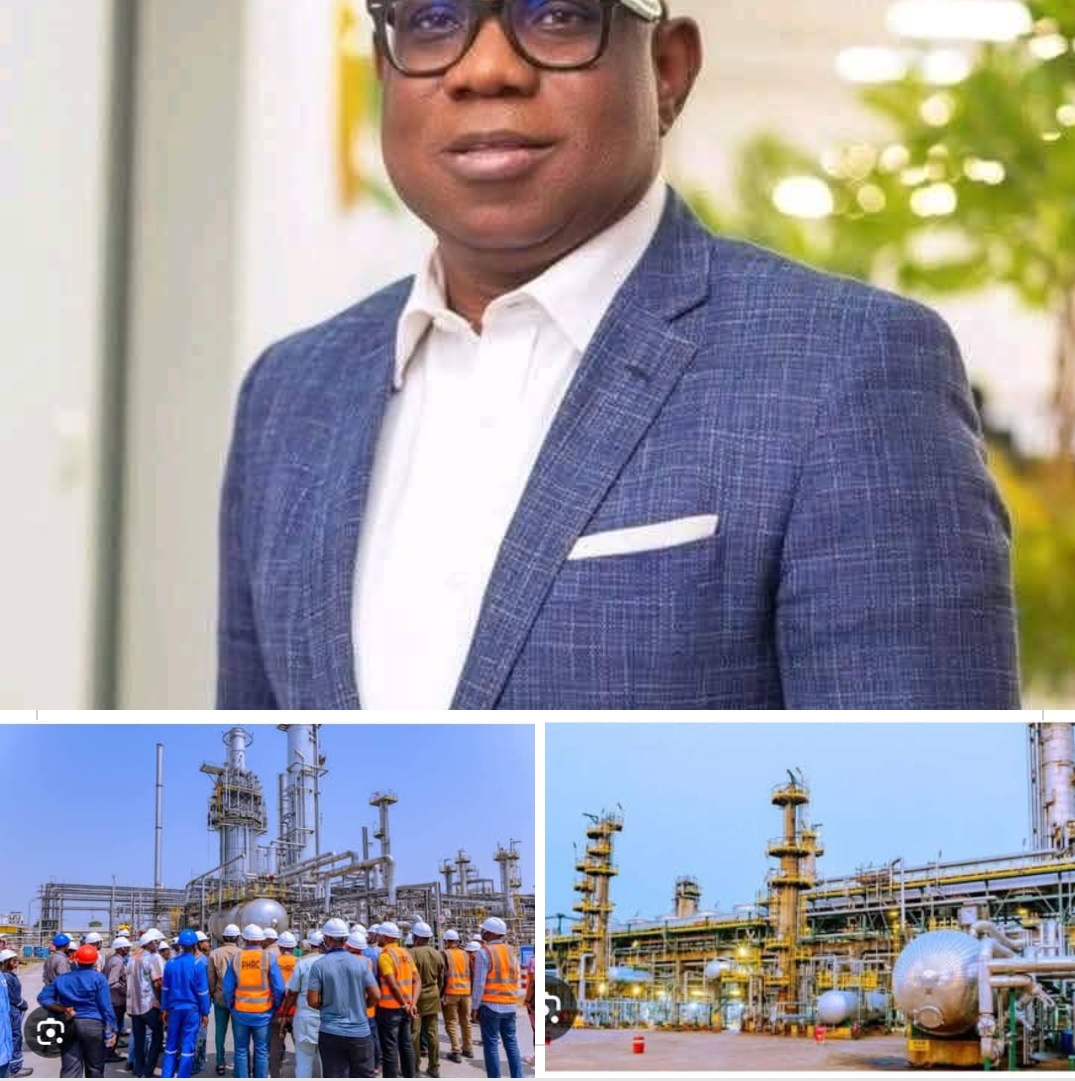
 The Nigerian government may finally be considering the sale of its long-troubled refineries in Kaduna, Warri, and Port Harcourt, following years of failed rehabilitation efforts and billions of dollars in sunk investments. This was revealed by the Group Chief Executive Officer of the Nigerian National Petroleum Company Limited (NNPCL), Mr. Bayo Ojulari, during an exclusive interview with Bloomberg in Vienna, Austria.
Ojulari acknowledged that the process of reviving the ageing refineries has become far more complicated than anticipated, raising serious doubts about their future viability.
“Sale is not out of the question. All the options are on the table, to be frank,” Ojulari stated. “But that decision will be based on the outcome of the reviews we’re doing now.”
His remarks add to growing concerns over the fate of Nigeria’s government-owned refining assets. Aliko Dangote, Chairman of the Dangote Group and operator of Africa’s largest private refinery, had previously expressed doubts about the refineries ever returning to full operation. Former President Olusegun Obasanjo also weighed in earlier, criticising past administrations for spending over $2 billion on turnaround maintenance with no visible results.
Ojulari explained that despite the significant financial outlay on modernizing the facilities, technical setbacks and the challenges of working with ageing infrastructure have hampered progress.
“We’ve been challenged. Some of the technologies have not worked as we expected. When you’re working on an old refinery that’s been idle for a long time, it’s proving to be more complicated than anticipated,” he said.
The NNPCL boss disclosed that the company is currently reviewing its overall refinery strategy, with conclusions expected before the end of the year. The review may lead to significant shifts in approach, including the possible sale of the assets.
Years of Promises, Little to Show
For decades, successive Nigerian governments have promised to fix the refineries, each pouring public funds into repair contracts that repeatedly failed to deliver results. Despite being Africa’s largest oil producer, Nigeria still imports the bulk of its refined petroleum products, placing heavy pressure on its foreign exchange reserves and contributing to fuel price volatility.
Industry experts and stakeholders have long argued for the privatization of the refineries, pointing to the Dangote Refinery’s recent commissioning as proof of what the private sector can achieve where government efforts have fallen short.
What Next for Nigeria’s Refining Sector?
Ojulari’s comments signal a possible policy shift under the Tinubu administration, which could finally put to rest Nigeria’s long-standing refinery rehabilitation saga. Should the government opt to sell the refineries, it would mark a definitive move towards private sector-led refining in the country.
However, for many Nigerians, the bigger question remains: why did it take so many years—and billions of dollars—to reach this crossroads?
As the NNPCL completes its review, stakeholders will be watching closely for the government’s next steps, which could reshape Nigeria’s energy sector and end an era of failed public refinery management.
Discover more from Ameh News
Subscribe to get the latest posts sent to your email.