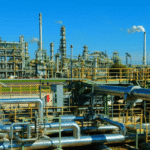
 For decades, the dusty silence of the Ajaokuta Steel Complex has stood as a haunting reminder of Nigeria’s industrial dreams deferred. Once envisioned as the heartbeat of Africa’s largest economy, the plant’s idle machinery and decaying infrastructure came to symbolize policy failure, missed opportunities, and a generation’s quiet disillusionment.
But that narrative is now shifting.
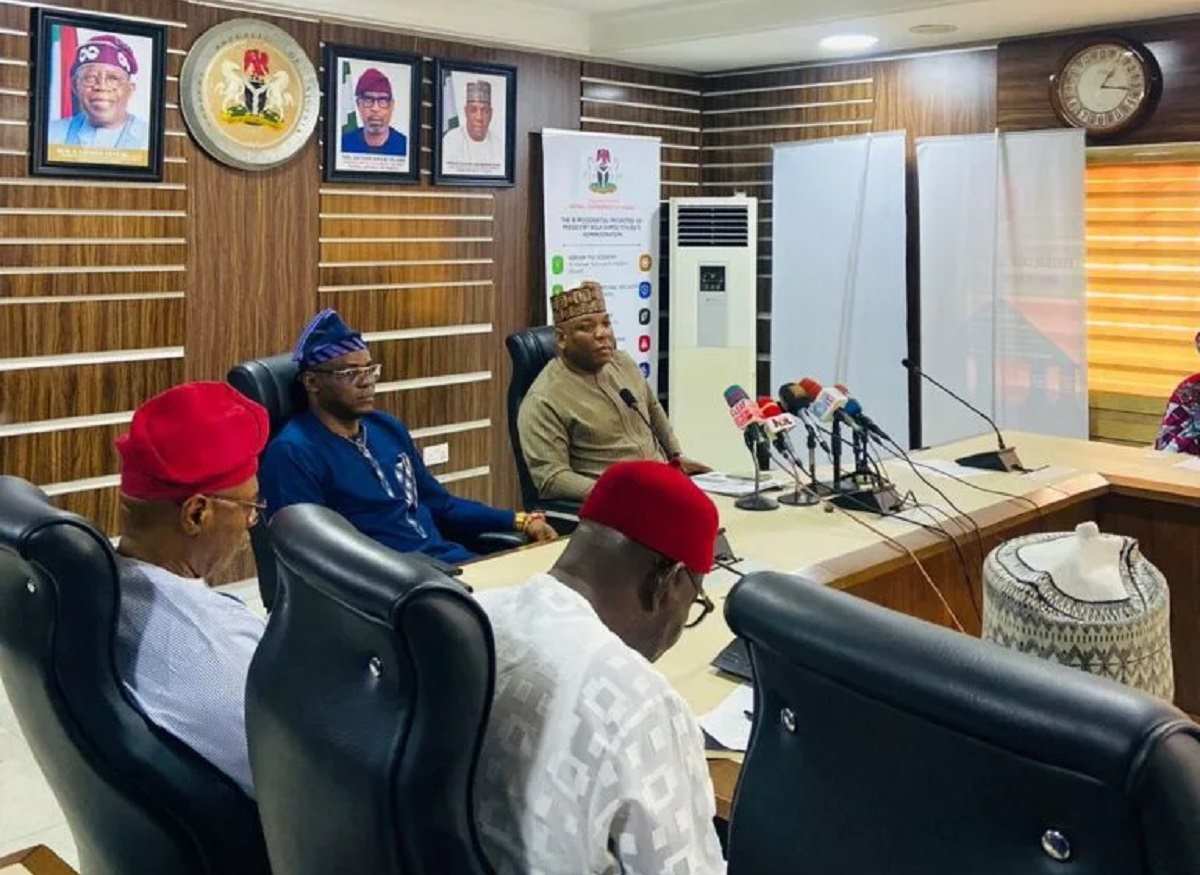
From July 16 to 17, Nigeria will host its first National Steel Summit—a bold attempt to reclaim the promise of steel as a tool not just for industry, but for national identity and economic justice. Announced by Prince Shuaibu Abubakar Audu, Minister of Steel Development, the summit aims to reawaken a sector with the potential to transform everything from roads to railways—and, more importantly, lives.
Steel, and the People Left Behind
For 49-year-old Ibrahim Audu, a former technician at Ajaokuta, the revival is deeply personal. “I gave the best years of my life to that place,” he said, eyes filled with both pride and pain. “We were trained to build Nigeria. But after a while, all we built were memories.”
Stories like Ibrahim’s are not uncommon. In the 1980s and early 1990s, thousands of young Nigerians were trained to operate and manage Nigeria’s steel plants. They believed in a future where the country’s infrastructure would be forged by its own hands. But years of neglect and leadership missteps collapsed that vision, pushing many into joblessness while the nation spent over $4 billion annually importing steel products.
Now, many like Ibrahim are watching closely, cautiously hopeful that this summit might finally mean more than another conference and communique.
A New Beginning for a Forgotten Giant
Held under the theme “Rebuilding and Consolidating Nigeria’s Steel Industry: Collaborative Action for Sustainable Growth and Global Competitiveness”, the summit in Abuja will bring together industry stakeholders, investors, and policymakers to discuss a new direction for steel production in Nigeria.
According to Minister Audu, the event will serve as a platform to:
- Assess the current state of Nigeria’s steel industry
- Identify critical infrastructure and policy gaps
- Promote market collaboration and shared infrastructure
- Develop a roadmap for sustainable growth
- Enforce product standards to eliminate construction failures
“This isn’t just a meeting,” the Minister stressed. “It’s a movement to transform steel from a forgotten sector into a cornerstone of our economy.”
He also affirmed that the Tinubu administration is “pushing the right buttons,” citing concrete steps such as the technical and financial audit of the Ajaokuta Steel Company, already underway. The audit aims to reveal what it would take to revive the facility after more than 20 years of abandonment.
Private Capital, Public Ambition
The reflection comes amid renewed investor confidence, driven by improved policy direction. Stellar Steel Company Limited has committed millions of dollars toward a new facility for producing hot rolled coils and steel plates. Meanwhile, Orbit Fabrication/Galvanising Works Limited has completed a $100 million plant with a 50,000-tonne galvanizing capacity.
These developments, Abubakar said, represent a turning point. “Our goal is to reposition the steel sector to drastically reduce imports and generate thousands of jobs. Every bolt, every beam produced here is a step toward national pride.”
Why Steel Still Matters
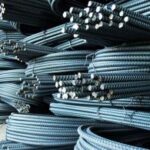
The relevance of steel extends far beyond industrial production—it’s the backbone of construction, rail development, automobile manufacturing, agriculture, and even energy infrastructure. Without a vibrant steel industry, no real industrial revolution is possible.
And the human stakes are enormous. With unemployment surging and millions of youths without viable career paths, revitalizing the steel sector could offer a new lifeline. The minister noted that Nigeria’s vast mineral resources, if harnessed responsibly, could fuel local production and reverse decades of capital flight.
“It’s about jobs, dignity, and our future,” said Ngozi Ibe, a mechanical engineering graduate who has never worked in her field. “Imagine being able to walk into a plant, see machines moving, and know that you built something that lasts. That’s the Nigeria we want.”
A Path Forged in Iron and Resolve
As technical sessions at the summit prepare to dissect the industry’s complex challenges—from financing and regulation to energy supply and market access—there is a palpable sense that this could be more than another missed opportunity.
The summit’s success, however, will not be measured in speeches or policies alone, but in the factories reopened, lives improved, and dreams rekindled.
For many Nigerians, this moment is not just about steel. It’s about rebuilding belief—in a country that can manufacture its own destiny.
@2025 The Ameh News: All Rights Reserved
Discover more from Ameh News
Subscribe to get the latest posts sent to your email.