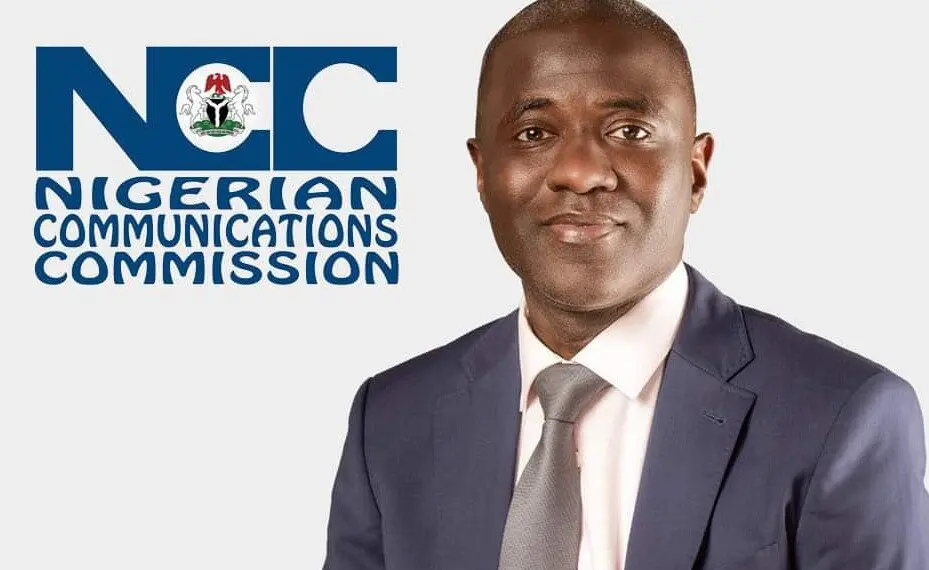
 The Nigerian Communications Commission (NCC) has announced a major regulatory reform aimed at fostering innovation, improving access, and accelerating growth in the country’s telecommunications sector.
Speaking during a high-level stakeholders’ forum held on Thursday, July 17, 2025, the Executive Vice Chairman and Chief Executive Officer of the Commission, Dr. Aminu Maida, introduced the General Authorisation Framework — a flexible licensing model designed to support emerging technologies and services that do not fit into existing regulatory categories.
The event, which brought together telecom executives, industry associations, tech entrepreneurs, and representatives from civil society and the media, marked a turning point in Nigeria’s digital journey. Dr. Maida described the initiative as a response to the rapid pace of technological advancement and the need for regulation to keep up with the demands of innovation.
“We are at a significant juncture, where the nature of innovation demands a regulatory paradigm that is not only responsive but enabling,” Dr. Maida stated.
Over the past two decades, Nigeria has witnessed remarkable progress in telecommunications, recording over 79.65% teledensity and 48.81% broadband penetration as of May 2025. This growth has been driven by increased mobile adoption, rising data consumption, and the expansion of digital services across key sectors of the economy.
However, Dr. Maida noted that while these achievements are commendable, the industry must now adapt to new realities — including 5G deployment, AI integration, blockchain adoption, and the rise of fintech platforms — all of which are reshaping the communications landscape.
Key Features of the General Authorisation Framework
The newly introduced framework features three core instruments to support experimentation and responsible innovation:
- Proof-of-Concept Pilots: To validate emerging technologies in real-world scenarios.
- Regulatory Sandbox: A controlled environment for testing innovations such as Open RAN and dynamic spectrum sharing.
- Interim Service Authorisation: A flexible option for services not yet covered under existing licensing structures.
According to the NCC, these tools will empower both startups and established companies to test and scale their solutions in a risk-managed manner, while ensuring consumer protection and safeguarding public interest.
“Modern regulation must be designed to enable innovation rather than hinder it,” Dr. Maida emphasized.
Call for Stakeholder Collaboration
While the framework sets a strong regulatory foundation, Dr. Maida stressed that its success will depend heavily on collaboration from all sectors of the ecosystem.
“Mobile Network Operators, service providers, infrastructure companies, OEMs, academia, civil society, and startups all have a role to play,” he said. “Your insights and partnership are critical in refining this approach and making sure it works for Nigeria.”
The Commission reaffirmed its commitment to inclusivity, calling for intentional efforts to bridge the digital divide and ensure that women, youth, and underserved communities benefit from Nigeria’s expanding digital economy.
A Vision for the Future
Dr. Maida concluded his remarks by highlighting the broader vision of the NCC — to transform the telecom sector into a key driver of national development, economic growth, and social inclusion.
“The future of Nigeria’s digital economy is no longer distant. It is unfolding right before us,” he said. “Let us work together to deepen the innovation value chain, nurture homegrown solutions, and ensure that the dividends of digital transformation reach every corner of our society.”
The stakeholders’ forum signals a new era in Nigeria’s telecom regulatory approach — one that aligns with global best practices while responding to local realities. If effectively implemented, the General Authorisation Framework could become a catalyst for inclusive growth and sustainable innovation across the country.
@2025 The Ameh News: All Rights Reserved
Discover more from Ameh News
Subscribe to get the latest posts sent to your email.