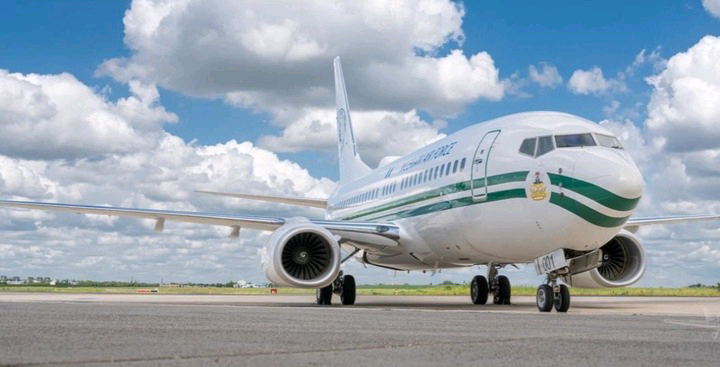
 Nigeria’s newly acquired presidential aircraft has returned to the country after undergoing a luxury refurbishment in South Africa, sparking renewed public debate about government spending amid economic hardship.
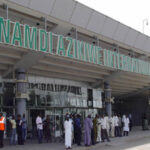
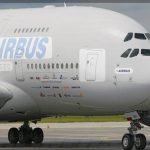
The Airbus A330-200, reportedly valued at ₦150 billion, touched down at the Nnamdi Azikiwe International Airport, Abuja. According to the report, the jet, which now sports a fresh green-and-white livery symbolising Nigeria’s national colours, had been away for months undergoing a complete overhaul that included both external redesign and internal luxury fittings.
A Controversial Return
While presidency sources described the refurbishment as a “standard diplomatic upgrade” necessary for high-level global engagements, the timing and cost of the project have triggered a wave of criticism across the country.
Many Nigerians have taken to social media and radio call-in shows to express outrage, describing the expenditure as insensitive at a time when millions are grappling with inflation, rising unemployment, and deteriorating public infrastructure.
“We are being asked to make sacrifices for the economy, yet the presidency is spending billions on a jet,” said a schoolteacher in Enugu. “Hospitals are under-equipped, and universities are constantly shut down. It’s like they don’t see us.”
Lavish Upgrade Amid Austerity
Aviation industry insiders told 9jalead that the aircraft was fitted with state-of-the-art security and communications systems, a private presidential suite, and modern conference facilities, features typically seen in executive jets used by world leaders. The refurbishment, done entirely in South Africa, included a complete interior reconfiguration to meet “presidential standards,” according to sources familiar with the project.
The decision to outsource the work abroad has also come under scrutiny. Critics argue that local aviation firms could have handled aspects of the refurbishment, thereby conserving foreign exchange and supporting the domestic industry.
Official Justification
A senior official in the Presidency, speaking on condition of anonymity, defended the upgrade, saying:
“The President represents Nigeria on the global stage. The aircraft must reflect our national identity and provide the infrastructure required for effective diplomatic engagement.”
However, the statement has done little to calm public anger. Many view the refurbishment as tone-deaf in the face of persistent hardship across the country.
Historical Context
The move revives longstanding concerns about the cost of maintaining Nigeria’s Presidential Air Fleet, one of the largest in Africa. Past administrations have also come under fire for similar expenditures, with calls by civil society groups to cut down the size and cost of the fleet largely ignored.
Data from the National Assembly budget office indicates that billions of naira are spent annually on the fleet’s upkeep — including fueling, staffing, and maintenance.
Public Sentiment and Calls for Transparency
As images of the jet’s return circulated online, public sentiment quickly turned critical. Some commentators described it as a “symbol of misplaced priorities,” urging the government to redirect such spending toward healthcare, education, and security.
“A green-and-white aircraft does not fix hunger or joblessness,” said Femi Aransi, an economist based in Lagos. “Leadership should be about prudent management of national resources, especially now.”
The refurbished presidential jet has landed, but its arrival has reignited calls for a broader conversation on leadership, accountability, and national priorities. As Nigeria pushes toward economic recovery, many citizens are asking: Should prestige come before people?
Discover more from Ameh News
Subscribe to get the latest posts sent to your email.