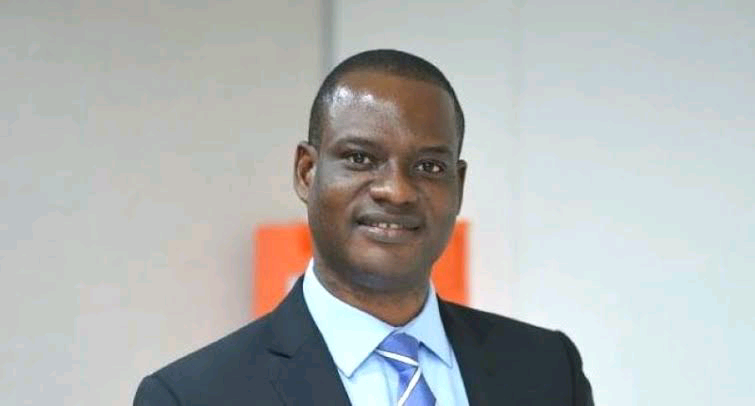
 The Chairman of the Presidential Fiscal Policy and Tax Reforms Committee, Mr. Taiwo Oyedele, has announced a significant improvement in Nigeria’s fiscal health, stating that the country now spends less than 50 per cent of its revenue on debt servicing—a sharp drop from the staggering 97 per cent recorded before the implementation of recent economic reforms.
Speaking as the keynote speaker at PwC’s Executive Summit on Nigeria’s Tax Reform held in Lagos on Monday, Oyedele offered a rare glimpse into the measurable successes of the current administration’s fiscal strategies. The summit, themed “The New Tax Era: What Nigeria’s Tax Reform Means to Individuals and Businesses,” convened industry leaders and stakeholders to discuss the direction of Nigeria’s tax and fiscal trajectory.
“We’ve cleared unmet forex futures that were more than $7 billion. Our external reserves have grown from under $4 billion to over $20 billion today. The budget deficit is narrowing, and the government is prioritising infrastructure spending,” Oyedele disclosed.
He also revealed that Nigeria’s tax-to-GDP ratio had climbed from under 10 per cent to 13.5 per cent within two years—a critical improvement in domestic revenue mobilisation. “We no longer print money to fund expenditures. In fact, we’ve begun to repay the ways and means advances from the Central Bank that were recklessly expanded by the previous administration,” he added.
This fiscal update comes on the heels of fresh data released by the National Bureau of Statistics (NBS), which shows that Nigeria’s Gross Domestic Product (GDP) grew by 3.13 per cent year-on-year in real terms in Q1 2025. This marks a notable recovery from the 2.27 per cent growth recorded during the same period in 2024, indicating a broadening of economic momentum across several sectors.
In nominal terms, the country’s economic output rose to ₦94.05 trillion in the first quarter of 2025, up from ₦79.51 trillion in Q1 2024—an increase of 18.3 per cent. The recent figures are the first set of GDP data calculated under Nigeria’s new national accounts framework, which now uses 2019 as the base year (updated from the previous 2010 base).
The news was met with cautious optimism by members of the Organised Private Sector (OPS) and financial analysts, who praised the trend but warned against complacency.
Economic analyst and chartered accountant, Mrs. Uju Ekwem, said the signs are encouraging. “The debt service-to-revenue ratio was a major red flag for investors. Now that it’s under control, it shows that our reforms are working—but consistent implementation and private-sector synergy remain essential.”
Dr. Femi Arogundade of the Lagos Chamber of Commerce and Industry added, “What we are seeing is a shift from fiscal desperation to fiscal responsibility. The tax-to-GDP increase and forex clearance are bold moves that must be sustained if we’re to see real, inclusive growth.”
As Nigeria steadies its macroeconomic footing, analysts agree that the government’s next challenge is maintaining this momentum—ensuring reforms are deepened, tax policies are transparent, and that revenue gains translate into tangible benefits for citizens and businesses alike.
Discover more from Ameh News
Subscribe to get the latest posts sent to your email.