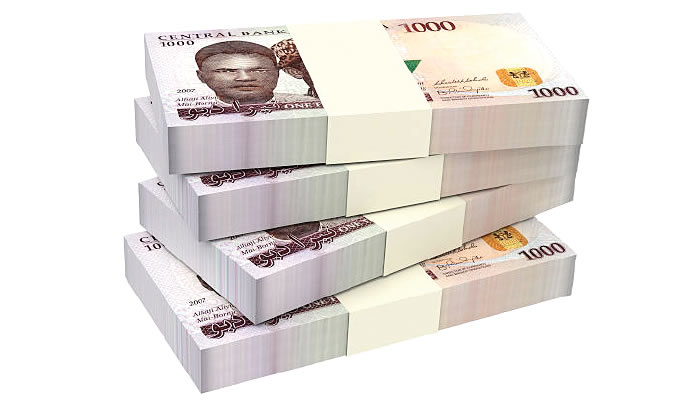
 When the Central Bank of Nigeria (CBN) announced the retention of its Monetary Policy Rate (MPR) at 27.5%, the news barely trended outside economic circles. But beneath the surface, the decision is already reshaping everyday life in Nigeria—from roadside mechanics in Kaduna to petty traders in Lagos and salary earners across the country.
Borrowing Now Comes with a Hefty Price Tag
Musa Ahmed, a commercial motorcyclist in Zaria, had plans to fix his bike. The cost: ₦20,000. He walked into a microfinance bank hoping for a quick loan. But when he was told he’d have to repay close to ₦25,500 in a year—thanks to the 27.5% interest rate—he walked away discouraged. “How can I pay all that when I just want to fix my means of survival?” he asked, visibly frustrated.
This is the human face of monetary policy. Behind every interest rate hike are millions of Nigerians weighing tough decisions—whether to fix a machine, restock a shop, or take a chance on a new venture. With borrowing now more expensive, many are simply shelving their plans.
Inflation vs. Interest: A Delicate Balance
The CBN’s move is aimed squarely at inflation, which stood at a record 33.87% as of October 2024. In simple terms, this means that everything—from a loaf of bread to school fees—is more expensive than it was last year. The central bank believes that by increasing the cost of borrowing, it can slow down spending and, in turn, rein in runaway prices.
But the reality is not that straightforward.
“I understand what the CBN is trying to do,” said Dr. Chioma Okafor, an economist at the University of Lagos. “But the tools they’re using—like high interest rates—also come with side effects. Everyday Nigerians are getting squeezed.”
Saving Becomes More Attractive—But With a Catch
Not all the news is bleak. For people with some cash in the bank, higher interest rates can be a blessing. Take Bola Ogunyemi, a retired teacher in Abeokuta. She saved ₦100,000 in a fixed deposit and is now earning between 10% and 15% annually. “It’s the first time my savings are actually working for me,” she said with a smile. “That extra ₦10,000 helps with groceries.”
But even she admits the gains are not what they seem. “The prices of food, transport, even sachet water—they all keep going up. So the interest I earn is swallowed by inflation.”
In a way, saving feels like running on a treadmill: your money appears to be growing, but your purchasing power remains stuck—or worse, declines.
Businesses Caught in the Middle
For entrepreneurs and business owners, the effects are even more stark. Chukwuemeka Uche, who runs a small electronics shop in Onitsha, shared his dilemma. “I used to borrow from my bank to buy stock in bulk. Now, with interest rates this high, I only buy what I can afford. Customers complain that I no longer have variety.”
Less borrowing means fewer goods on shelves. Fewer goods mean fewer sales. And the vicious cycle continues.
The Bigger Picture: Everyone Is Affected
The CBN’s decision may sound like a macroeconomic strategy, but it affects people in tangible ways. It touches on personal dreams delayed, small businesses stifled, and family budgets stretched thin.
Analysts say it’s a tricky line to walk. “The CBN is doing what it must to curb inflation,” said policy expert Mr. Tunde Bakare. “But without supportive fiscal policies—like subsidies on basic goods or tax relief for small businesses—the burden falls heavily on the people.”
A Wake-Up Call for Financial Awareness
One thing is clear: Nigerians can no longer afford to ignore economic policies. Whether it’s understanding the cost of loans, planning savings better, or demanding smarter governance, staying informed is no longer optional.
“This interest rate touches all of us—rich or poor,” said Maryam Garba, a youth advocate based in Kano. “It’s not just about banks and CBN. It’s about whether I can afford my brother’s school fees next term.”
As Nigeria grapples with inflation and economic uncertainty, the 27.5% interest rate becomes more than just a statistic. It’s a mirror reflecting the choices, struggles, and hopes of millions.
And in this moment, perhaps the biggest lesson is this: policy may be made in boardrooms, but its impact is felt in the marketplace, the home, and the heart.
@2025 The Ameh News: All Rights Reserved
Discover more from Ameh News
Subscribe to get the latest posts sent to your email.